Engineered for precision polymer handling, rapid processing speeds, and maximum material utilization.
Evaluating technological milestones, manufacturing clusters, and engineering superiority in the Yangtze River Delta.
The dynamic shifts in polymer sciences and circular manufacturing paradigms have driven global packaging and food industries to seek high-capacity machinery that minimizes material waste. Historically, Western brands dominated high-precision thermoforming. However, China's modern plastic extrusion machinery industry has undergone a deep technological transformation. The transition from basic mechanical assemblies to highly integrated, software-driven, closed-loop servo systems allows Chinese suppliers to deliver premium equipment at exceptionally competitive capital expenditures.
Chinese extrusion manufacturers leverage massive regional integration, specifically in Zhejiang and Jiangsu industrial clusters. This geographical density ensures a robust supply of high-grade alloy steels, advanced heat treatment facilities, and direct access to precision component manufacturers. As global regulatory bodies push for the transition to monomaterial structures like PET, PP, and compostable PLA, Chinese suppliers have integrated advanced multi-layer co-extrusion feedblock technology. This innovation guarantees uniform gauge control across critical plastic films, proving essential for both barrier sheets and consumer thermoformed products.
Machinery industry is an important manufacturing field, possessing its own unique characteristics. Being highly technology-intensive, the machinery industry demands robust technical support, including advanced technological design, sophisticated manufacturing processes, and precise automation control. Additionally, mechanical manufacturing is inherently complex, involving the intricate processing, welding, and assembly of various metal materials. Because mechanical products are widely used across diverse sectors, the industry is placing an ever-growing emphasis on environmental protection, energy-saving capabilities, and navigating intense international competition.
Tracing its origins back to its founding in 2010 as **Ruian Seven Star Machinery**, the enterprise evolved into **Wenzhou Yicai Machinery Technology Co., LTD.** in 2022. Situated in Zhejiang Province—a premier coastal economic hub in East China—the company has combined localized industrial advantages with a global growth vision. Boasting a floor space exceeding 3,000 square meters and a team of expert mechanical engineers and software developers, Yicai Machinery specializes in designing high-output thermoforming lines, curved offset printers, and multi-layer plastic sheet extruders that address today's challenging manufacturing environment.
Uncompromising commitment to system customization, reliable sourcing, and lifecycle support.
The core of our service philosophy is that customers "buy with confidence and operate with ease". We engineer custom solutions, tailoring software controls, mechanical layout dimensions, colors, and configuration components to suit localized production environments.
As packaging markets shift from manual labor to automated operations and fully intelligent industrial systems, we invest heavily in R&D to provide smart, high-speed, and low-energy consuming plastic machinery.
By implementing international quality standards across raw materials, machining, and final testing, we deliver systems recognized globally for mechanical stability, durability, and operating safety.
Our sales engineering team provides technical consultations to help identify production bottlenecks, detail output capabilities, evaluate factory layouts, and configure optimal setups.
With machinery installed and operating across multiple continents, we maintain a global support network, easing international trade, customs compliance, and remote technical updates.
We source structural and electrical parts from globally recognized brands. Utilizing Siemens, Schneider, and Omron electrical systems safeguards our clients against unexpected downtime.
Our multidisciplinary team bridges the gap between R&D, structural engineering, precision CNC manufacturing, and global logistic operations, ensuring smooth order processing from design to delivery.
We supply responsive technical support, parts replacement programs, and remote diagnostic interventions to keep client facilities running at peak performance.
A technical breakdown of our main product categories, designed to achieve maximum runtime and cycle efficiency.
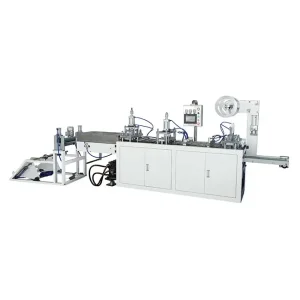
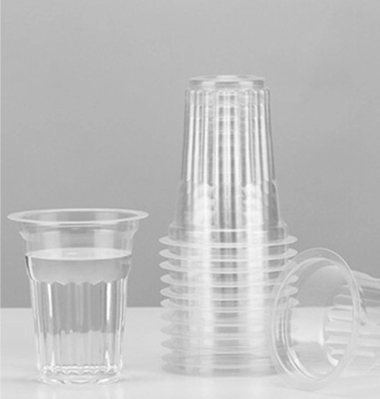
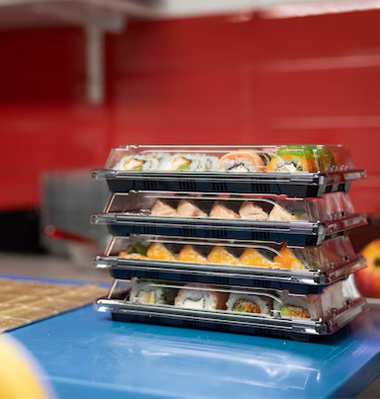
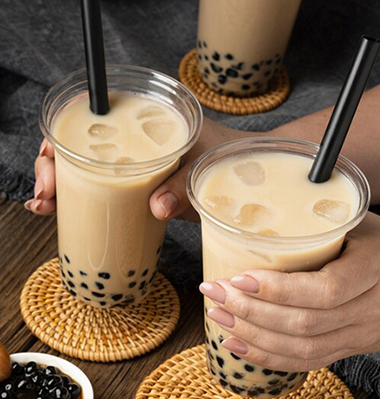
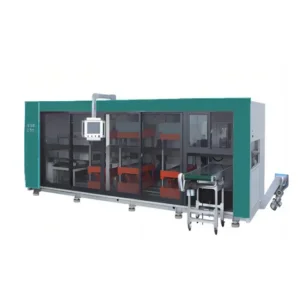
Designed to process PP, PS, PET, and PLA sheets. Yicai thermoformers incorporate advanced servo indexing systems and high-pressure forming configurations. The integration of robust plug assists ensures uniform wall-thickness distribution in deep-drawn applications such as drinking cups, food trays, and high-clarity plastic lids.
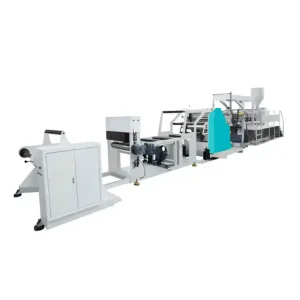
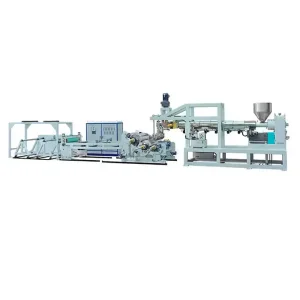
Our sheet extrusion lines utilize custom-configured screws (with L/D ratios optimized for specific polymers) to achieve excellent melt homogeneity. Available in single-layer and multi-layer co-extrusion setups, these machines support circular economy goals by managing high percentages of recycled regrind without sacrificing tensile properties or optical clarity.
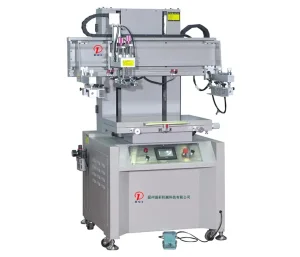
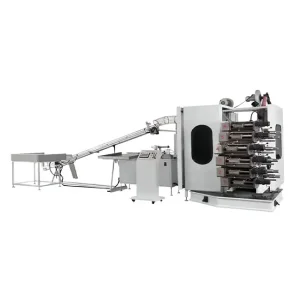
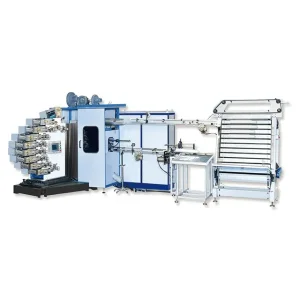
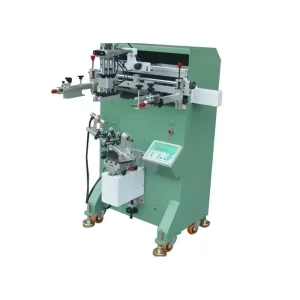
Yicai's curved offset presses offer rapid, high-definition decoration on conical plastic cups and cylindrical containers. Capable of handling up to 6 or 8 colors in a single pass, these machines utilize high-precision color decks, corona pre-treatment systems, and inline UV curing ovens to produce vibrant, durable prints at top speeds.
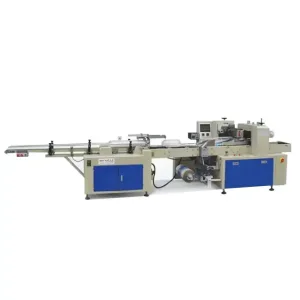
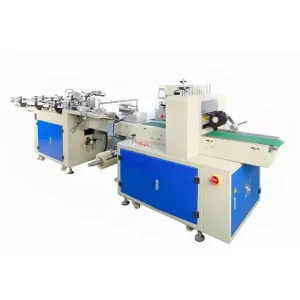
Eliminating bottlenecks in downstream production, our packing machines support single-row, double-row, and multi-row setups. Capable of synchronization with thermoforming or printing stations, these units count, stack, and bag finished cups in a continuous operation to ensure hygiene and reduce labor costs.
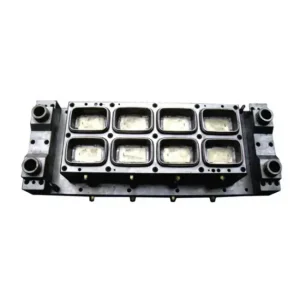
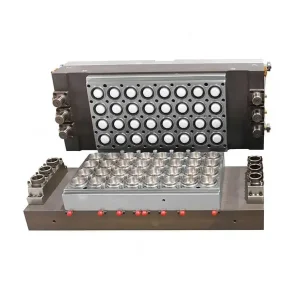
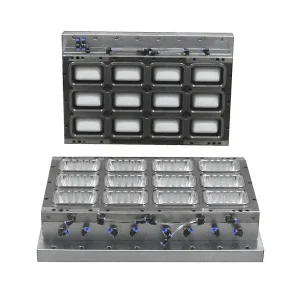
Crafted from high-tensile aluminum alloys and tool steels via precision CNC machining, our molds incorporate optimized cooling channel layouts. This design ensures even temperature distribution across the cavity geometry, resulting in short cycle times and minimal shrinkage issues.
Specially designed to handle larger conical geometries like industrial and food-grade pails, these systems deliver accurate registration for wrap-around designs. Constructed with heavy-duty frames, they ensure low vibration and high print repeatability at production speeds.
Enabling high-speed manufacturing across food service, retail packaging, and logistics industries.


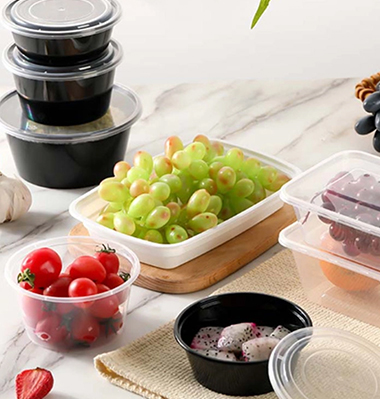

Examining thermal profiling, rheology, and mechanical engineering solutions in modern high-output factories.
At the core of any high-performance sheet extrusion system is the control of polymer melt rheology. Achieving consistent sheet density and gauge thickness requires managing temperature profiles across the extruder barrel. Modern Chinese extruders utilize barrier flighted screws, which separate un-melted polymer pellets from the melted stream. This design prevents shear overheating, which can degrade sensitive polymers like PET or PLA.
Integrating a closed-loop melt pump between the extruder and the T-die helps eliminate pressure fluctuations. This setup allows the die lip to receive a consistent volumetric flow of polymer, ensuring thickness variations remain within strict tolerances. For multi-layer barrier sheets (such as PP/EVOH/PP for extended shelf life), multi-manifold feedblocks partition the melt streams without inter-layer mixing. This control helps maintain barrier integrity even when using ultra-thin layers.
Legacy pneumatic thermoforming systems often suffer from cycle rate variance and high energy usage. Modern thermoforming relies on multi-station designs utilizing synchronized AC servo drives for index feeding, mold clamping, and plug assist positioning. The main benefit is the precise control over displacement curves.
By programming variable speed curves during the forming cycle, the plug can enter the hot sheet rapidly, decelerate during material stretching, and retract swiftly to allow the air pressure to complete the forming process. This timing reduces thin spots at the corners of deep cups and containers, allowing manufacturers to downgage sheet thickness without sacrificing part strength. The mechanical clamp structures, engineered with toggle mechanisms, generate high clamping forces to shear thick-gauge materials cleanly, resulting in smooth cup edges.
For international procurement teams, selecting Chinese machinery requires assessing compliance with regional safety frameworks, including the European Union's CE directives and North America's UL standards. Modern manufacturers address these requirements by building control enclosures to meet IEC standards, integrating safety relays, dual-channel emergency circuits, and light curtains.
Industrial automation systems are also adapting to smart factory structures. Implementing OPC-UA communication protocols allows Yicai machinery to interface with Manufacturing Execution Systems (MES) for real-time monitoring of energy consumption, cycle rates, and heating zone efficiency. This connectivity enables plant managers to run predictive maintenance protocols and reduce unplanned downtime.
Answering critical engineering and logistics questions from procurement and operations professionals.
To process high levels of PET regrind, the extruder must handle moisture effectively. PET is hygroscopic, and trace moisture can cause hydrolytic degradation, reducing melt strength. Manufacturers use a desiccant dryer pre-crystallization system or vacuum-degassed twin-screw extruders. The screw configuration should feature venting zones with vacuum pressures below 10 mbar to remove volatiles and maintain intrinsic viscosity (IV) levels.
Servo systems offer precise position control (typically within +/- 0.15mm), ensuring consistent sheet feed lengths. Unlike pneumatic cylinders, which are subject to variations in air pressure and ambient temperature, servo drives maintain identical movement profiles throughout the shift. This accuracy reduces skeleton waste and prevents misaligned forming cycles that can result in incomplete part definition.
PLA has a narrow thermal processing window and lower melt strength compared to traditional polymers. We recommend using a screw with low shear properties, precise PID heating control on all zones, and ceramic heating bands. In the thermoformer, heating elements should rely on ceramic or carbon fiber panels with fast-responding SCR power controllers to prevent overheating and degradation of the PLA sheet.
Yicai Machinery provides pre-sales consultations to review factory floor layouts, voltage standards, and raw material properties. For commissioning, our technicians offer onsite assembly, control calibration, and operator training. Additionally, all machinery features remote connection gateways, allowing our engineering team in Zhejiang to troubleshoot PLC programs, update parameters, and resolve operational issues remotely.
Industrial machinery configured to match diverse production requirements.
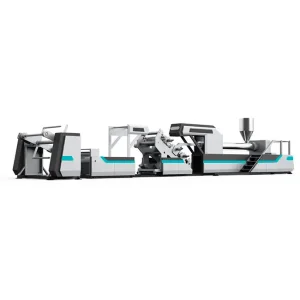
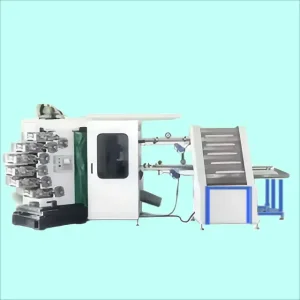
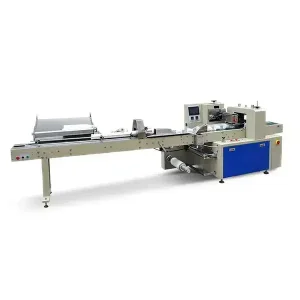
Contact Yicai Machinery's engineering division to request custom configurations and plant-level design support.
Operating from our centralized production facility in coastal Zhejiang Province, we support global operations with machinery installations, custom parts supply, and remote engineering assistance. Contact our sales department to receive technical specifications or pricing details.
 Yicai Machinery