Engineered for high efficiency, strict compliance, and high material yields in South American logistics settings.
As Latin America’s leading exporter of fresh fruits, premium seafood, and wines, Chile maintains a rigorous and highly regulated industrial packaging supply chain. The transport of table grapes, blueberries, cherries, and fresh salmon from packaging plants in central and southern valleys to consumer markets in Europe, North America, and East Asia requires structural integrity, preservation, and cold-chain longevity.
To support this infrastructure, packaging manufacturers in industrial hubs like Santiago, Valparaíso, and Talcahuano are phasing out legacy, inefficient production systems. Modern thermoforming machines must run high-density, multi-layer polymers while delivering rapid cycle speeds. Under Chile’s strict economic goals, companies are deploying integrated machinery systems that drastically reduce thermal loss, enhance material utilization, and implement smart automation to minimize labor dependencies.
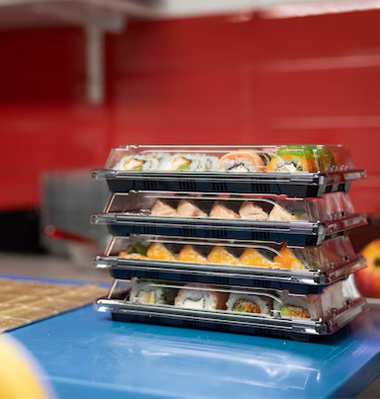
Thermoformed clamshells for Chilean cherries and grapes must feature precise perimeter ventilation and high-strength friction locking lids to withstand trans-oceanic transit pressure.
With Chile's focus on circular polymer economics, modern machines are calibrated to run up to 100% recycled PET, providing the stable heating and cutting controls required to handle variable polymer densities.
The enforcement of Chile's Law 21368 (Ley de Plásticos de un Solo Uso) has created a major regulatory evolution in the South American packaging landscape. Formally targeting single-use containers, food trays, and beverage cups, this regulation requires that all standard plastic articles feature specified percentages of recycled content, or transition fully to certified biodegradable materials (such as PLA or compostable bio-polymers).
For packaging companies, this regulation means traditional thermoforming setups are no longer viable. Recycled PET (rPET) sheet and Polylactic Acid (PLA) pose severe difficulties during thermoforming. rPET exhibits variable intrinsic viscosity (IV), resulting in unpredictable melt strengths and sheet sag. PLA, on the other hand, is highly temperature-sensitive with a narrow processing window. Processing it too hot leads to thermal degradation, whereas processing it too cold causes micro-fracturing during sheet stretching.
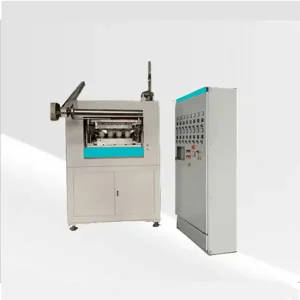
Our company, Wenzhou Yicai Machinery Technology Co., LTD., has tackled these challenges by introducing multi-station thermoforming lines equipped with multi-zone ceramic heating elements and precise PLC controls. Closed-loop temperature monitors track sheet temperatures instantly, modifying heat profiles to prevent structural weaknesses. This guarantees that Chilean manufacturers can run rPET and PLA with similar efficiency and low scrap rates as virgin PP or PS sheets.
| Polymer Type | Optimal Temperature Range | Forming Characteristics | Typical Applications in Chile | Processing Challenge & Solution |
|---|---|---|---|---|
| rPET (Recycled PET) | 125°C - 150°C | Excellent clarity, high rigidity | Blueberry clamshells, grape baskets | Variable viscosity; solved by multi-zone PID temperature controls. |
| PLA (Polylactic Acid) | 90°C - 110°C | Eco-friendly, biodegradable | Cold drink cups, food service trays | Low heat deflection; resolved by precision servo-controlled cooling rates. |
| PP (Polypropylene) | 150°C - 170°C | High chemical & heat resistance | Microwavable lunchboxes, dairy cups | Large shrinkage rate; solved by servo-driven mechanical plug assists. |
| PS (Polystyrene) | 130°C - 160°C | Easy forming, sharp detail | Disposable yogurt pots, egg cartons | Regulatory bans; transitioning to rPET and compostable alternatives. |
A leading machinery developer providing international-grade plastics manufacturing equipment to global markets.
Founded in 2010 (operating originally as Ruian Seven Star Machinery before transitioning to Wenzhou Yicai Machinery Technology Co., LTD. in 2022), our company is situated in the coastal province of Zhejiang, one of China's primary manufacturing hubs. This region provides us with an extensive industrial supply chain, enabling us to integrate premium electronics, motors, and raw materials into our machinery lines.
The machinery sector is technology-intensive, requiring advanced capabilities in mechanical design, metallurgy, thermal control, and system automation. Our production processes encompass precision CNC machining, certified structural welding, and multi-day load testing. In response to demands for eco-friendly manufacturing, we build energy-efficiency features directly into our products, helping our international partners lower their energy consumption and optimize operational yields.
We tailor equipment to client specifications, modifying mechanical components, layout colors, voltage profiles, and custom mold interfaces to fit local factory spaces.
Through continuous development, we have transitioned our machinery lines from manual configurations to high-speed, fully automated, servo-controlled operations.
Our partnerships with international brands like Siemens, Schneider, Omron, and Delta guarantee component reliability and simple local replacement access.
In the Chilean manufacturing sector, the choice between hydraulic and servo-driven thermoforming machinery remains a critical determinant of long-term profitability. While hydraulic systems have been the legacy workhorse, they pose operational limitations in cleanroom environments, speed profiles, and energy consumption.
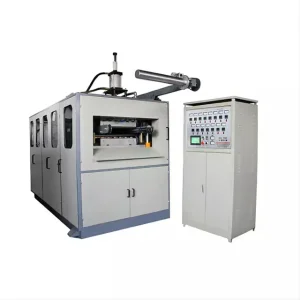
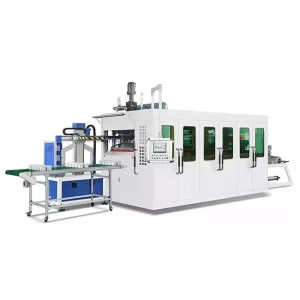
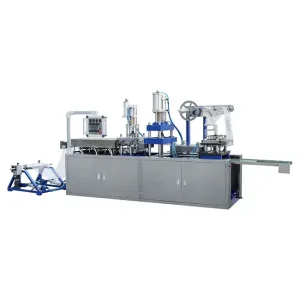
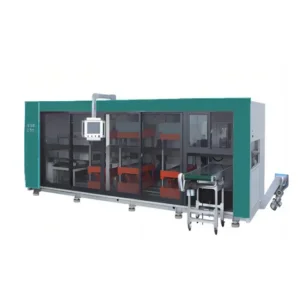
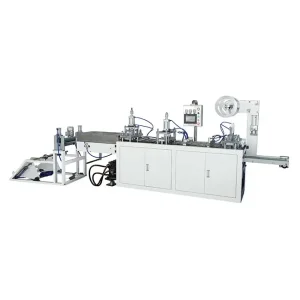
Our flagship High-Speed Full-Servo Multi-Station Thermoforming Machine addresses these challenges by integrating forming, cutting, punching, and stacking processes into a single automated line. This design reduces required floor space, prevents secondary contamination during container handling, and minimizes workforce requirements on the plant floor.
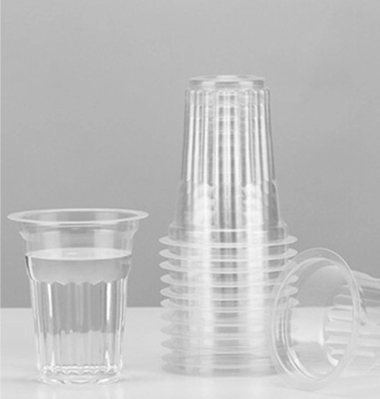
From clean agricultural packaging to custom industrial containers, our systems support a wide range of polymer materials.
Importing large-scale machinery from China to South America requires clear logistics planning, electrical calibration, and technical support. Wenzhou Yicai Machinery coordinates shipping logistics directly with major ocean carriers to deliver equipment safely to ports such as San Antonio, Valparaíso, and Lirquén.
To prepare for shipping, all machinery is sprayed with protective anti-corrosion oil, wrapped in shrink barrier film, and secured inside reinforced wooden crates to prevent ocean humidity damage. Once the equipment arrives at your facility in Santiago, Biobío, or Los Lagos, our engineering support guides your team through setup, electrical integration, and sensor calibration.
All systems are wired to match Chile’s standard 3-phase industrial power grid, avoiding the need for external voltage converters.
Integrated VPN-enabled PLC units allow our engineering team to run system diagnostics, trace software faults, and push program updates remotely.
Our engineers design custom tooling from 7075 aluminum alloy, providing sharp cutting edges and clean trimming for diverse packaging shapes.
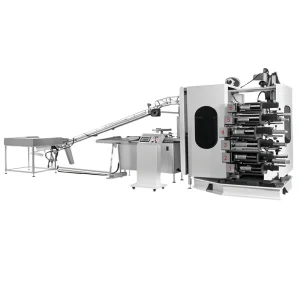
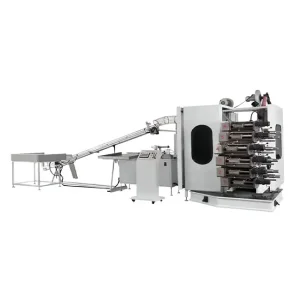
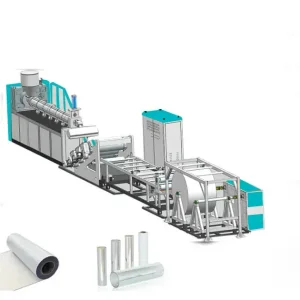
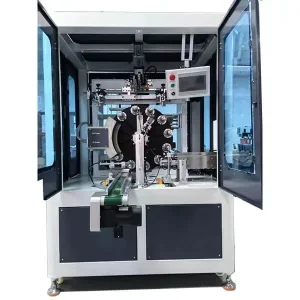
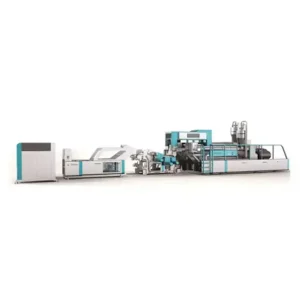
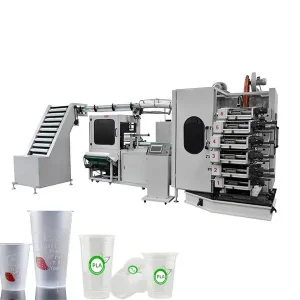
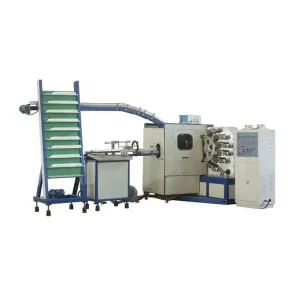
Combining primary extrusion with high-speed forming, offset printing, and automated cup packaging lines.
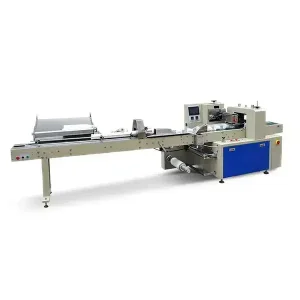
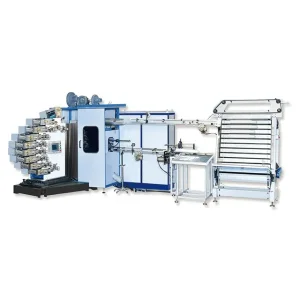
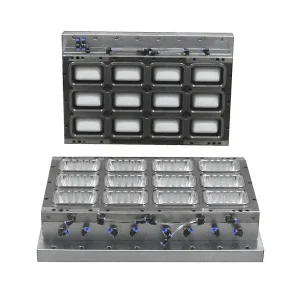
The global thermoforming sector is transitioning toward deep automation and digital integration. At Yicai Machinery, we are incorporating smart diagnostics and material processing upgrades into our product roadmap. These developments target the reduction of operating waste and help manufacturers improve production yield.
Embedded thermal sensors monitor sheet sag and heat uniformity across the raw plastic film, automatically fine-tuning ceramic heater elements to minimize scrap.
Integrated in-line grinders capture edge trim and skeleton scrap, conveying the ground material directly back to the extrusion feed hopper to reduce raw material loss.
Our quick-change tooling fixtures reduce mold changeover times to under 45 minutes, allowing facilities to shift product runs efficiently without long periods of downtime.
By investing in these technical capabilities, Chilean packaging plants can future-proof their production lines. Our systems meet local safety regulations and deliver high-speed operation, helping manufacturers scale their throughput and maintain stable output quality.
Explore our selection of sheet extrusion systems, multi-color offset presses, and automated forming machines.
Addressing the technical, regulatory, and logistics queries raised by process engineers in Chile.
Yes, our systems are optimized to handle both virgin and recycled polymers (rPET, PP, PS, PLA, PVC). To resolve the variable viscosity issues typical of rPET, we integrate multi-zone ceramic heaters paired with closed-loop PID controllers. This setup maintains consistent thermal performance across the plastic sheet, preventing structural deformities.
Our equipment is built to match industrial power standards worldwide. For Chilean installations, we pre-configure all electrical boxes, motors, and controls to align with 380V, 3-Phase, 50Hz networks. This design helps minimize installation steps and reduces the risk of electrical faults on start-up.
Standard manufacturing times range from 45 to 60 days, depending on machine configuration and mold requirements. Ocean transit from Ningbo or Shanghai to major ports like Valparaíso, San Antonio, or Talcahuano typically takes between 35 and 45 days. We coordinate all container loading, export customs, and secure packaging steps.
Our machine designs incorporate components from globally recognized brands like Siemens, Schneider, and Omron. This selection ensures that local maintenance teams in Santiago or other industrial centers can source replacement parts quickly. Additionally, we provide direct online diagnostic support via remote connection modules.
Yes, our systems process Polylactic Acid (PLA) sheets. To handle the temperature sensitivity of PLA, we utilize servo-controlled sheet indexing and mechanical plug assists, which distribute stretching forces evenly and maintain product wall-thickness uniformity.
We offer customization options for molds, mechanical colors, and frame dimensions. Our engineering team can work with CAD or SolidWorks product drawings to develop specialized aluminum thermoforming molds tailored to your specific tray, lid, or container designs.
Get in touch to request technical specifications, custom mold drawings, and detailed machinery pricing for your plant in Chile.
Send Inquiry Now Yicai Machinery