Advanced Chinese thermoforming hardware and closed-loop material recycling options tailored for South Africa's strict environmental compliance criteria.
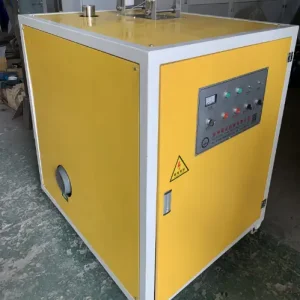
South Africa’s manufacturing sector stands at a critical juncture, navigating the intersection of rapid technological adoption and complex local operating challenges. Key manufacturing zones across Gauteng, Western Cape, and KwaZulu-Natal have emerged as major engines of plastic packaging, automotive fabrication, and FMCG manufacturing. To secure a robust, high-volume production output, factories are shifting their focus away from core machinery alone, recognizing that auxiliary equipment—such as precision dryers, chillers, material loaders, online scrap granulators, and volumetric dosers—often serves as the true differentiator in product quality and energy efficiency.
Historically, auxiliary equipment was viewed as a secondary system in a factory's processing architecture. However, in the modern South African context, where material input costs are highly volatile and grid stability (load shedding) remains a critical variable, these systems are essential. They maintain thermodynamic stability, handle raw materials seamlessly, and reduce scrap to near-zero margins. Modern auxiliary lines ensure that plastic sheet extruders, cup-forming systems, and printing lines operate continuously at maximum efficiency (OEE), buffering critical production stages against unexpected process shifts.
“In South Africa, power instability demands highly intelligent auxiliary systems that feature automatic resume states and energy-recovery loops. When a grid voltage drop occurs, smart granulators and material feeders must prevent melt degradation inside the extruders by cooling down rapidly and restarting without jamming.”
To achieve profitability in South Africa’s plastic packaging market, a closed-loop approach is essential. This integration links the sheet extrusion process directly to the thermoforming station, and channels waste skeletons straight to an online edge material crusher. These online crushers operate in real-time, pulverizing hot, skeletal waste from thermoforming and feeding it directly back to the extruder’s throat. This technique eliminates storage handling, prevents dust contamination, and keeps the post-industrial regrind ratio perfectly consistent.
This integrated workflow requires precise volumetric blending. Since regrind material has a different bulk density compared to virgin polymer pellets, volumetric or gravimetric dosing units must adjust the feed rates dynamically. This ensures that multi-layer co-extruded sheets (such as PET/PE or PP/EVOH) retain their precise barrier and mechanical properties, preventing issues like delamination, thickness variations, or pinholes in the final thermoformed container.
Wenzhou Yicai Machinery Technology Co., LTD. — Leading Global Manufacturer of Integrated Plastic Processing Lines
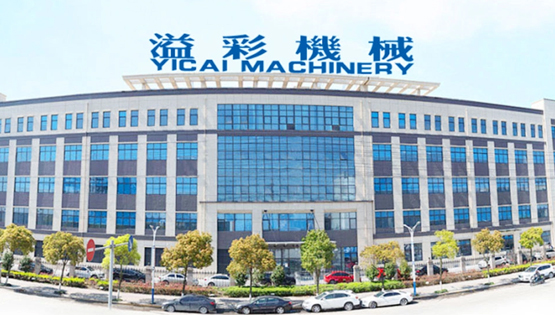
Founded in 2010 (formerly known as "Ruian Seven Star Machinery" and rebranded to "Wenzhou Yicai Machinery Technology Co., LTD." in 2022), the company is located in Zhejiang Province, East China. Backed by an experienced R&D team and state-of-the-art production facilities, Yicai Machinery designs, engineers, and exports high-performance thermoforming machines, curved offset presses, plastic sheet extruders, and comprehensive auxiliary systems worldwide.
Operating in a highly technology-intensive industry, Yicai Machinery provides support spanning structural design, advanced metal fabrication, automation, and system integration. With global markets prioritizing energy conservation and carbon footprints, the company adheres to strict international quality standards, delivering solutions that minimize waste, lower power consumption, and enhance manufacturing reliability.
A structured approach to engineering design, quality control, global trade logistics, and after-sales support.
Custom engineering based on specific production demands, including customized product marking, housing colors, electrical component selection, and line configurations.
Continuous development focusing on transitioning production from manual and semi-automatic setups to fully integrated, smart Industry 4.0 automation systems.
Utilizing high-grade components and manufacturing processes, backed by international quality management systems for stable, high-output production run rates.
Comprehensive technical evaluations, machine line layouts, sizing calculations, and detailed process planning prior to investment decisions.
A solid track record of machinery exports to major global regions, offering international trade support and simplified custom clearance documentation.
Procuring critical components from reliable global brands, reducing mechanical risks and extending machinery service lifespans.
Experienced engineers, mechanical designers, and customer support managers collaborating to address complex technical challenges.
Ongoing technical support, scheduled maintenance recommendations, and spare parts supply to minimize unplanned production downtime.
Preserving the core technical linkages while incorporating regional structural customizations for South African manufacturing sites.
Deploying complex mechanical infrastructure into South Africa requires addressing international engineering standards alongside local compliance codes. While European CE markers and ISO 9001 certifications demonstrate general engineering quality, South African manufacturers must also verify compliance with the South African Bureau of Standards (SABS) and local Occupational Health and Safety (OHS) regulations. For high-speed thermoforming or chemical extrusion systems, this involves meeting strict standards for electrical isolators, physical protective enclosures, emergency stop buttons, and noise mitigation.
Furthermore, aligning with the principles of B-BBEE (Broad-Based Black Economic Empowerment) encourages domestic packaging firms to prioritize plant reliability, local technical capabilities, and prompt spare parts availability. Working with global manufacturers that offer regional technical partnerships in South Africa reduces the risk of prolonged downtime during maintenance cycles.
| Engineering Factor | Standard Off-the-Shelf Import | Yicai Localized Engineering Integration |
|---|---|---|
| Electrical Standards | Standard global grid configuration; often vulnerable to local grid voltage fluctuations. | Includes customized surge protection and heavy-duty, grid-stable Siemens/Schneider electrical assemblies. |
| SABS & OHS Compliant Guarding | Standard generic physical guards; might not pass strict local inspections. | Dual-channel safety interlocking switches and robust physical safety shielding. |
| Material Optimization | Fixed polymer feeding parameters; struggles with varied regrind densities. | Closed-loop, online edge granulating and proportional volumetric feed controls. |
| Downtime Mitigation | Sourced remotely, occasionally leading to delays in parts delivery and support. | Dedicated pre-sales line layout design and standard mechanical parts availability. |
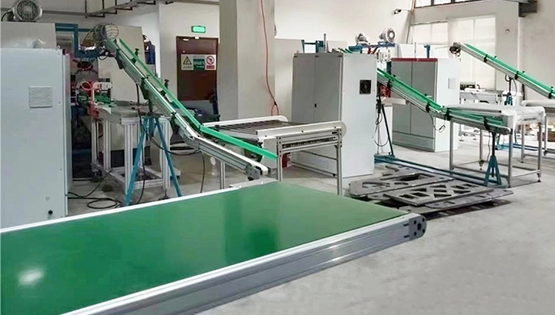
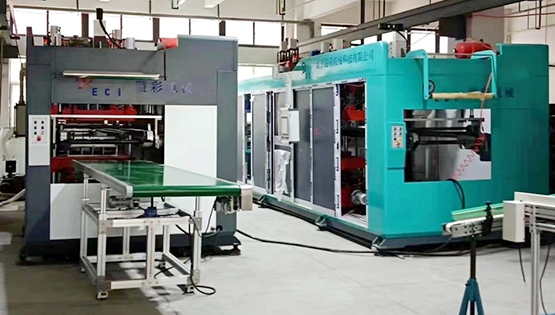
Explore Wenzhou Yicai Machinery’s modern manufacturing facility, assembly lines, and testing workshops.
Plastic packaging requirements vary considerably across South Africa’s key logistics and farming regions. In the Western Cape’s agricultural sector, demand is focused on high-performance PET and PLA fruit punnets, clamshells, and seed trays. Manufacturers here require multi-station thermoforming lines equipped with precise sheet temperature controls and quick-change molds. Since agricultural seasons are tightly scheduled, any unscheduled machine downtime can lead to significant bottlenecks, making robust auxiliary systems—such as high-efficiency chilled water loops—essential for consistent, high-yield runs.
In Gauteng, the hub of dairy and fast-food packaging, the focus shifts to high-speed PP yogurt cups, drinking cups, and take-away tubs. PP presents processing challenges due to its high thermal shrinkage and complex crystallization behavior, which requires precise, multi-zone heater controls and robust cup-stacking systems. Additionally, the high demand for colored and printed packaging in these retail sectors highlights the need for reliable multi-color offset and silk-screen printing systems, ensuring clean ink adhesion at high line speeds.
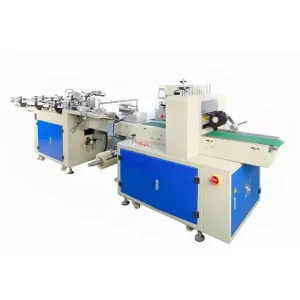
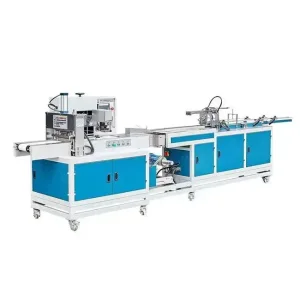
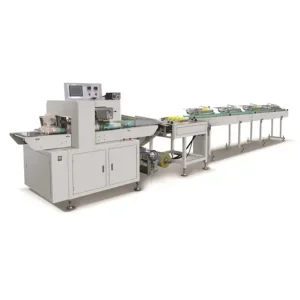
Coordinated production lines combining plastic extrusion, thermoforming, container printing, and final packaging.
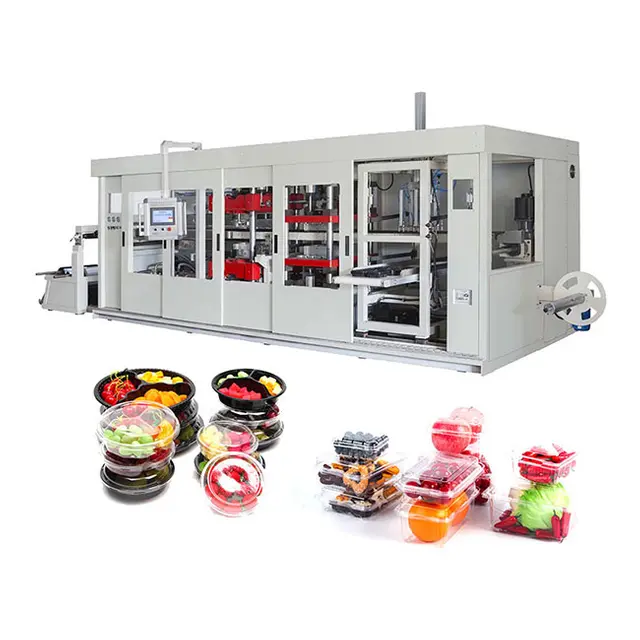
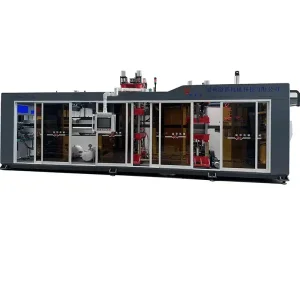
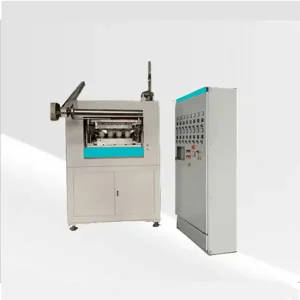
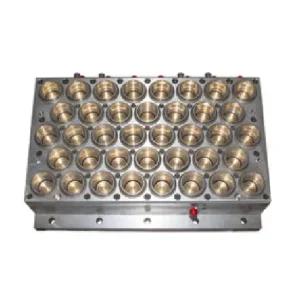
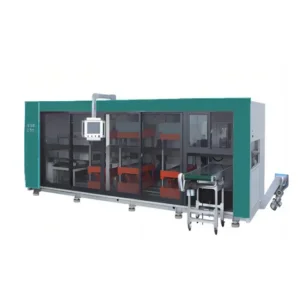
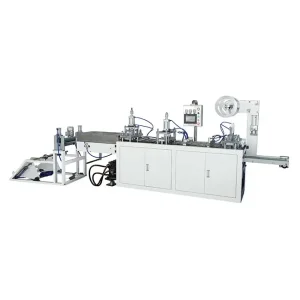
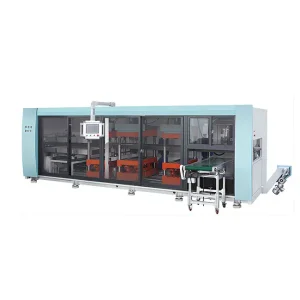
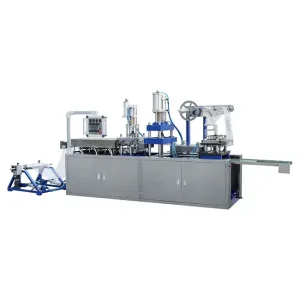
High-speed forming of plastic trays, containers, lids, and custom blister packs.
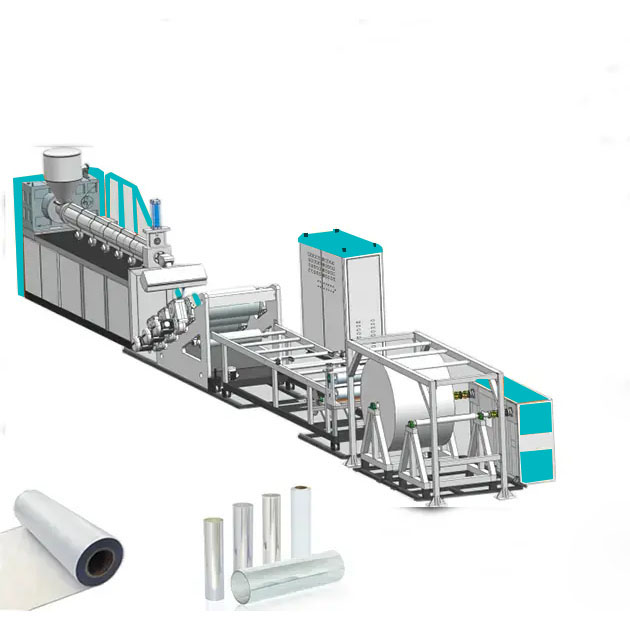
Continuous production of multi-layer sheets with precise thickness control.
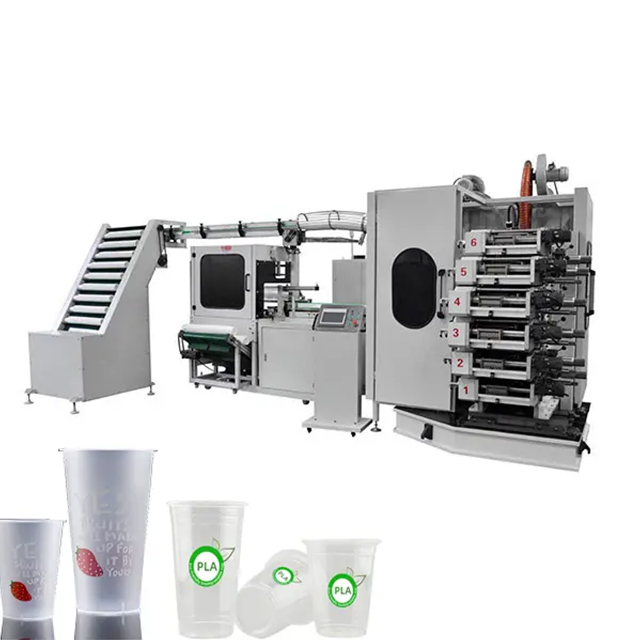
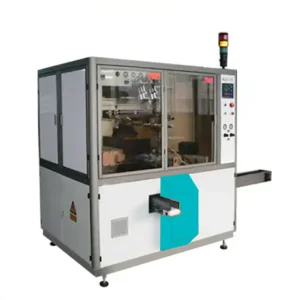
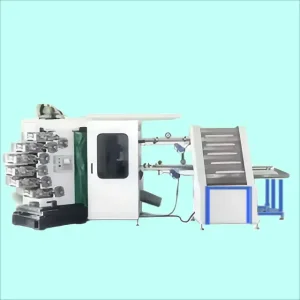
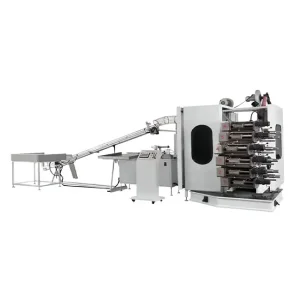
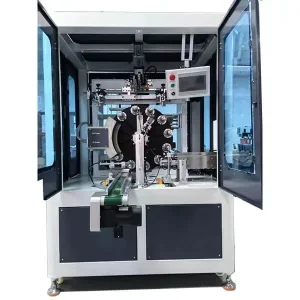
Fast, multi-color offset printing on round and non-round containers.
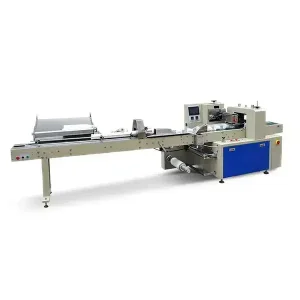
Complete machinery catalog featuring offset printing, multi-row packaging, and servo thermoforming lines.
The transition toward Industry 4.0 in South African manufacturing is driven by a clear need for greater operational control, energy conservation, and remote diagnostics. Modern auxiliary equipment is evolving from independent units into interconnected systems integrated directly with primary PLCs via EtherCAT or OPC UA protocols. This centralization allows operators to monitor the status of every chiller, feeder, and granulator from a single control interface.
Additionally, real-time energy monitoring systems are becoming standard. By tracking energy usage across heater bands and vacuum pumps, plant managers can optimize start-up sequences and avoid peak-demand penalties from utility companies. Looking ahead, AI-driven predictive maintenance will likely play a larger role, using vibration and thermal sensors to warn operators of potential issues before they cause unplanned downtime.
Establishing digital communication links between auxiliary components and the main production machine, using standard protocols to monitor flow rates, temperatures, and alarm status.
Automating feedback loops so that thermoformer scrap rates directly adjust the feed parameters of online granulators and plastic extruders, minimizing human error.
Implementing dynamic power management to adjust heater loads during grid load shifts, preventing machine trips and protecting expensive mechanical components.
Connect with Wenzhou Yicai Machinery’s engineering team to design custom auxiliary systems, select high-precision molds, or plan a complete extrusion and thermoforming line.
101, Unit 1, Building 20, Zilai Industrial Park, Wanquan Town, Pingyang County, Wenzhou City, Zhejiang Province, China
 Yicai Machinery