Explore our leading industrial manufacturing machinery and customized automated services designed for maximum operational efficiency.
Analyzing systemic transformations within modern packaging manufacturing and plastic extrusion technologies.
In the contemporary global manufacturing sector, the demand for precision-engineered plastic packaging solutions has escalated to unprecedented heights. Driven by fast-moving consumer goods (FMCG), logistics automation, and the medical-grade supply chain, processing equipment must now perform at optimized cycles while minimizing total cost of ownership. The paradigm shift is centered on three structural requirements: mechanical reliability, high automation density, and adaptability to eco-friendly resins.
Modern thermoforming systems, multi-layer sheet extruders, and high-speed curved offset printers represent the structural backbone of high-volume container production lines. Historically, single-station systems required excessive material thickness to offset variance in heating cycles. Today, advanced thermoforming structures rely on close-loop thermal monitoring and multi-axis servo synchronization to produce ultra-thin walls. This not only reduces material consumption by up to 25% but also increases yield rates across varied polymers, including Polyethylene Terephthalate (PET), Polypropylene (PP), Polystyrene (PS), and Polylactic Acid (PLA).
"The convergence of industrial automation, digital controls, and strict compliance dictates that machinery suppliers transition from basic equipment fabricators to end-to-end technological partners. This requires a dedicated focus on engineering transparency, verified material yield ratios, and robust local compliance architectures."
Concurrently, the transition towards circular economy frameworks has redefined material processing thresholds. In regions like the European Union and North America, strict extended producer responsibility (EPR) laws require packaging lines to seamlessly process Post-Consumer Recycled (PCR) polymers and bio-based plastics. Manufacturing machinery must adapt to wider melt index variances and processing temperatures. Multi-layer co-extrusion technology has therefore become vital, allowing factories to sandwich clean PCR material between thin layers of virgin polymer to ensure structural integrity and food safety compliance.
A decade-long commitment to custom packaging systems, high-quality supply chains, and global vision.
Founded in 2010 (originally operational under the name "Ruian Seven Star Machinery" and rebranded in 2022 to Wenzhou Yicai Machinery Technology Co., LTD.), the company operates from Zhejiang Province, a prominent technological manufacturing hub in East China. Supported by an experienced research and development department, Yicai Machinery designs, configures, and exports industrial-scale thermoforming systems, curved offset printing presses, and plastic sheet co-extruders. Our engineering philosophy centers on process consistency, integrating robust hardware with sophisticated PLC architectures to deliver turnkey automated lines.
The transition from mechanical machinery to intelligent production ecosystems has guided our long-term R&D strategy. By prioritizing customer requirement feedback, Yicai Machinery has expanded its product catalog to encompass multi-station thermoforming lines, high-color registration offset presses, and automated cup packaging lines. These systems are constructed within a high-performance framework that values engineering precision, stable structural welding, and components sourced from globally recognized brands.
Integrating customer-centric services with high-tech supply chains and professional global deployment support.
Every manufacturing plant has unique spacing, material configurations, and capacity metrics. We develop tailored configurations including localized tooling, custom branding, and custom voltage configurations to match client workflows.
Transitioning from manual workflows to intelligent, semi-automatic, and fully automated machinery. We continuously invest in closed-loop servo controls, energy-efficient heater plates, and synchronized tooling setups.
Implementing rigorous quality control protocols across raw material intake, CNC machining, component welding, assembly, and trial testing. All machines are stress-tested before dispatch to minimize commissioning issues.
Our sales and application engineers analyze polymer properties, output targets, and utility limits to provide detailed equipment proposals, ROI calculators, and tool designs before contract commitment.
Shipping our advanced hardware systems to manufacturers worldwide. We support overseas delivery, customs clearances, and international compliance architectures with dedicated service coordination.
We reduce component failure rates by integrating parts from established international brands: PLC controls, electronic sensors, and pneumatic valves from manufacturers like Siemens, Schneider, and Omron.
Composed of structural designers, software developers, and machinery specialists who understand the mechanical dynamics of sheet processing, mold manufacturing, and high-speed offset color management.
Our support infrastructure includes remote diagnostic tools, digital telemetry assistance, fast wear-parts delivery systems, and field engineers available for commissioning and staff training.
Understanding how our four core product categories function together to create integrated, highly efficient production environments.
In high-capacity container manufacturing, operational success requires a seamless transition from raw resin pellets to stacked, printed, and packed products. Wenzhou Yicai Machinery Technology has designed a modular, end-to-end machinery ecosystem that eliminates structural bottlenecks, minimizes hand-offs, and ensures product consistency. This integrated system is divided into four primary industrial phases:
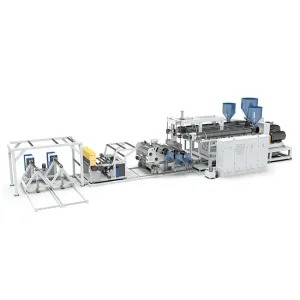
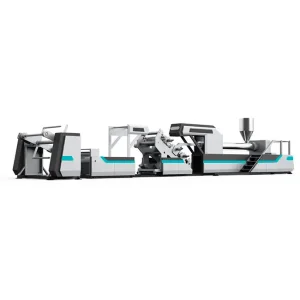
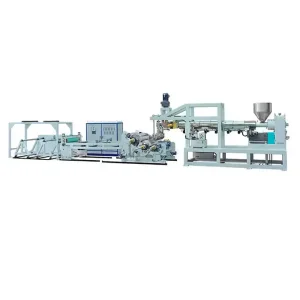
The manufacturing sequence begins with plastic extrusion. Our sheet extruders utilize continuous gravimetric dosing systems to feed virgin and recycled materials (like PP, PS, PET, and PLA) into high-ratio barrier screws. These screws ensure uniform melting and dispersion, preventing material inconsistencies that compromise wall thickness. The melt is passed through a coat-hanger die and a multi-roll calendering stack, which controls thickness tolerances within ±0.01mm. This uniform sheet thickness is crucial for downstream forming operations.
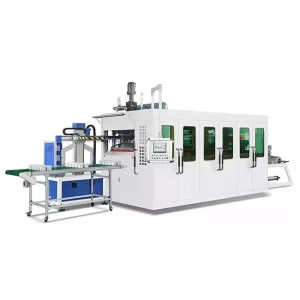
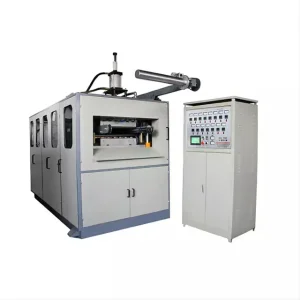
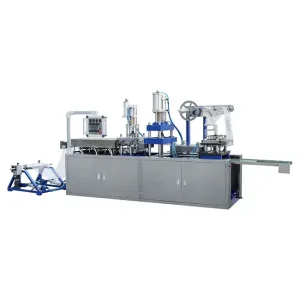
Once the roll stock is loaded, our thermoforming machines heat the polymer sheet using energy-efficient ceramic infrared arrays with localized temperature controls. Using plug-assist tools, mechanical pressure, and vacuum forming, the sheet is formed into containers. The forming, cutting, stacking, and scrap winding processes are integrated into a continuous mechanical flow. High-clamping-force hydraulic or mechanical toggles ensure clean, flash-free cuts on cup lips and box edges, reducing raw material waste.
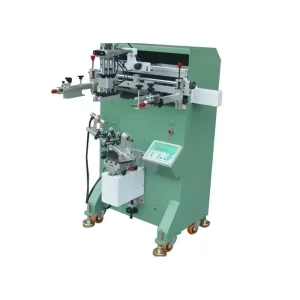
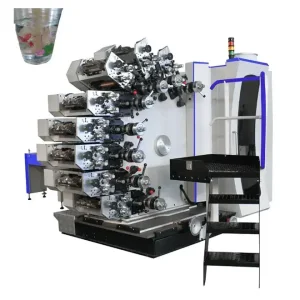
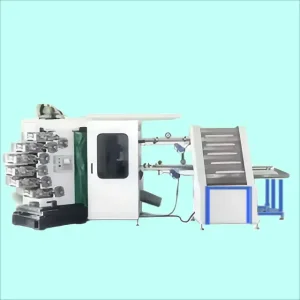
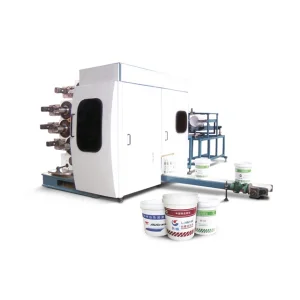
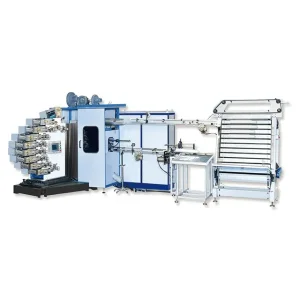
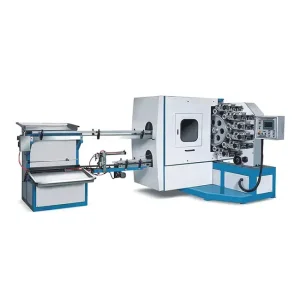
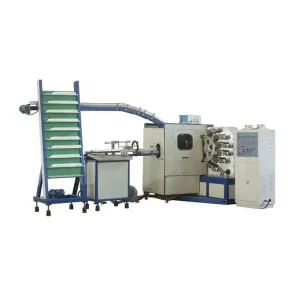
Formed containers are transferred to our high-speed printing lines. For round cups and buckets, dry offset printing delivers multi-color layouts (up to 8 colors) in a single pass. Our offset presses feature dynamic registration controls, mandrels designed to match cup tapers, and high-efficiency UV or LED curing arrays that cure inks instantly at high output speeds. For specialized applications, our silk-screen and servo-driven screen printers handle complex graphics and variable shapes with high precision.
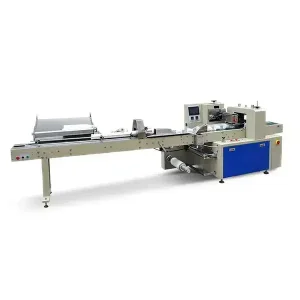
The finalized, printed containers are routed into automated counting and packaging lines. These systems handle sorting, nesting, counting, and bagging processes. By automating end-of-line packaging, manufacturers minimize manual handling, which helps maintain high hygiene standards required for food-grade packaging while lowering labor costs.
A look inside our 3000㎡ industrial facility, tooling areas, assembly lines, and technical operations.
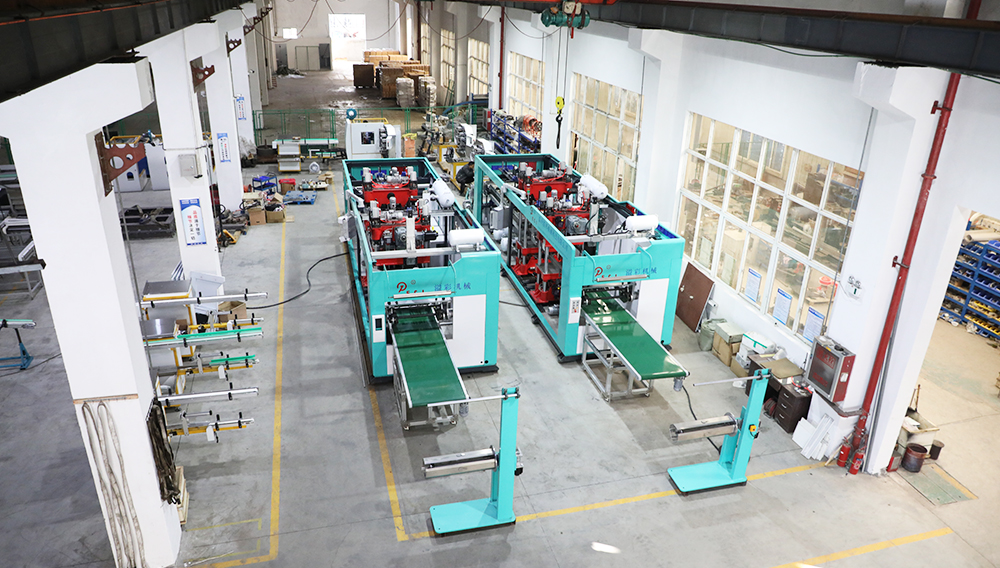
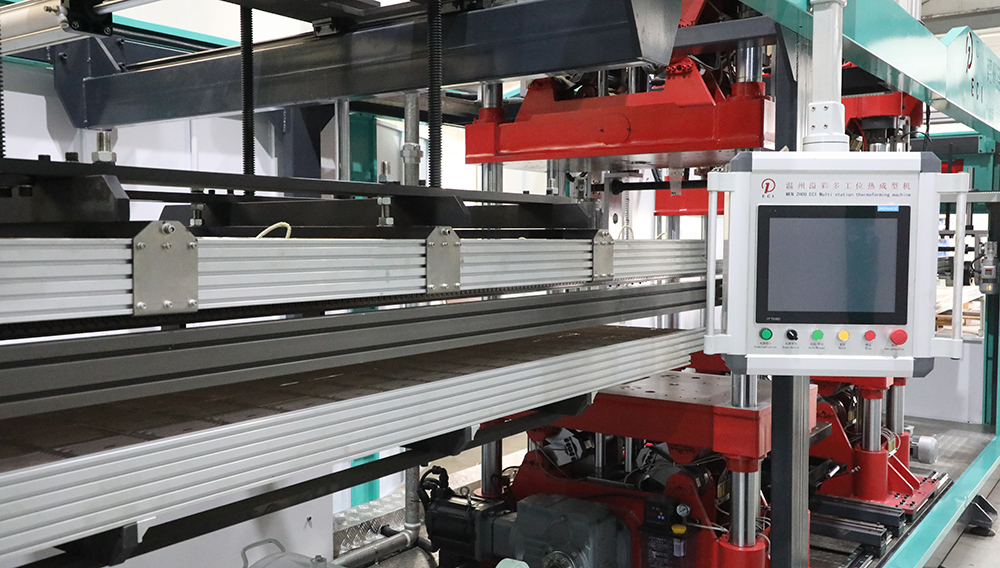
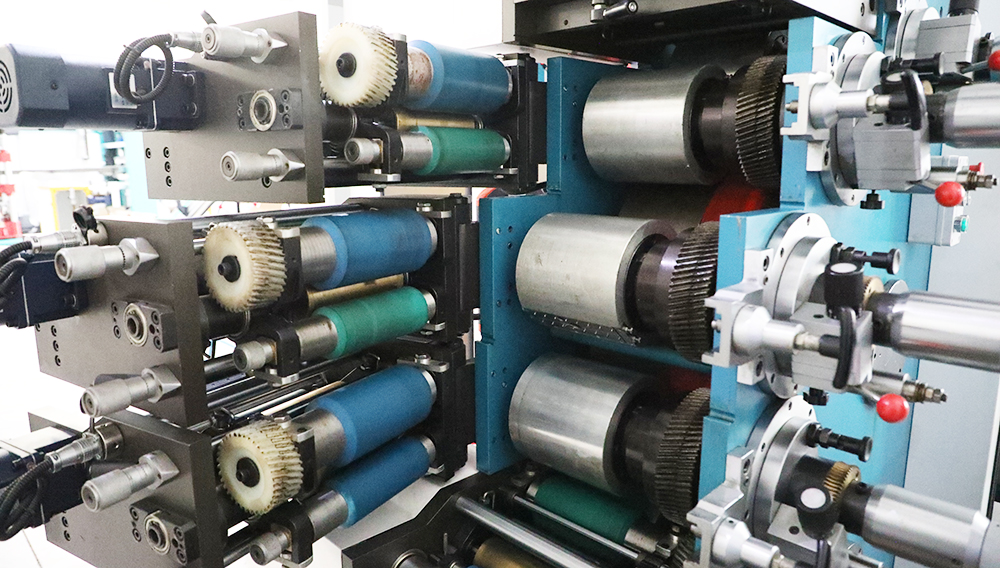
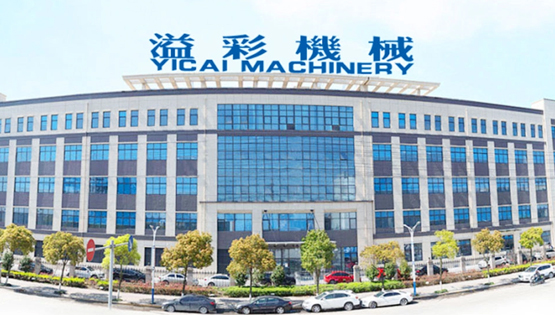
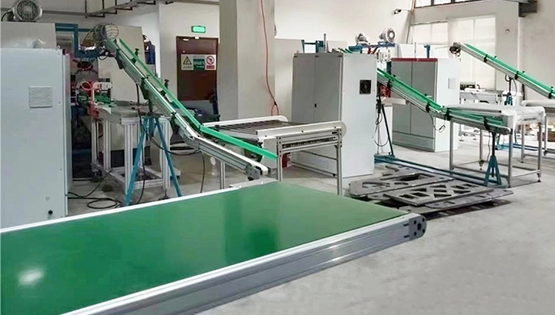
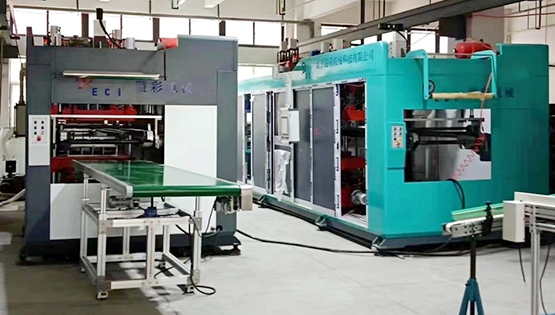
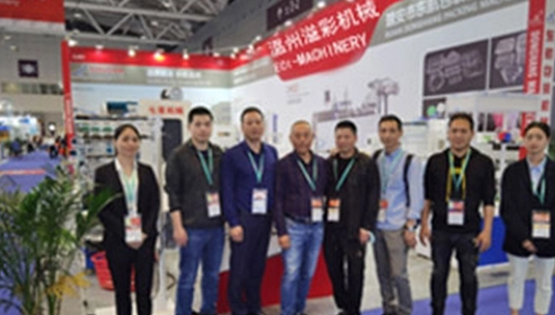
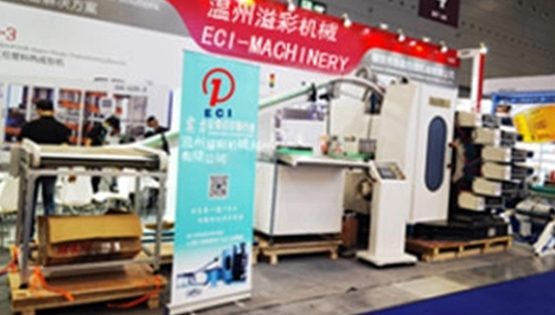
An in-depth review of our primary system categories, design characteristics, and application limits.
Engineered to process varied polymers (PP, PS, PET, PVC, PLA) into food-grade containers, disposable cups, and plastic lids. These machines feature dynamic servo-driven plug assists, integrated sheet pre-heating systems, and precise toggle clamping mechanisms.
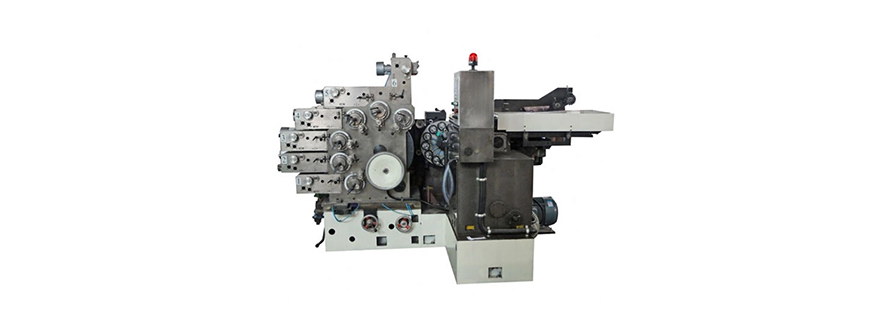
Multi-station Thermoforming Machine
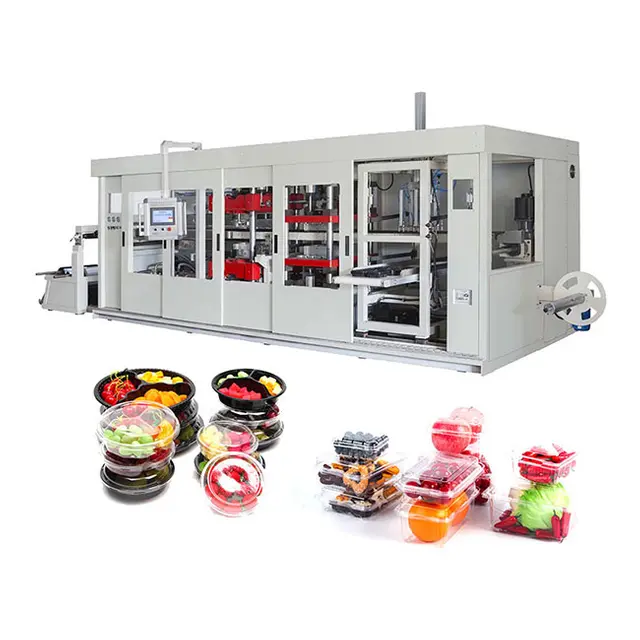
Thermoforming Machine Standard
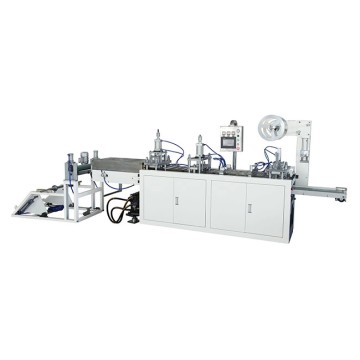
Disposable Plastic Lid Thermoforming
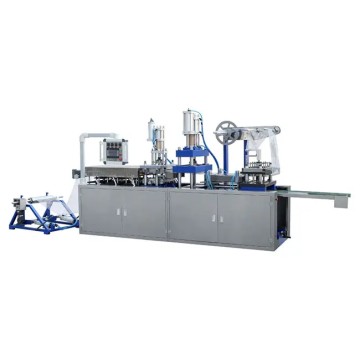
Plastic Lid Thermoforming Machine
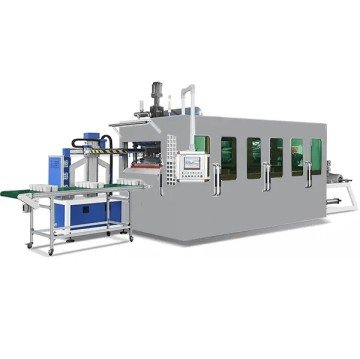
Plastic Cup Thermoforming Machine
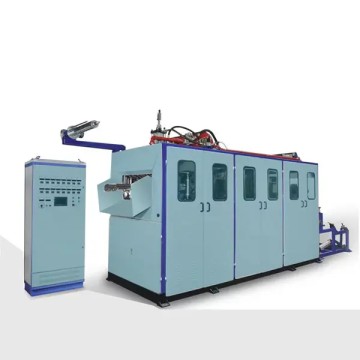
Heavy Duty Thermoforming System
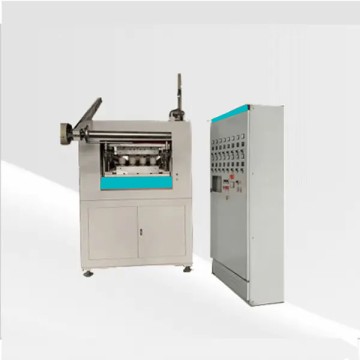
Hydraulic Plastic Thermoforming
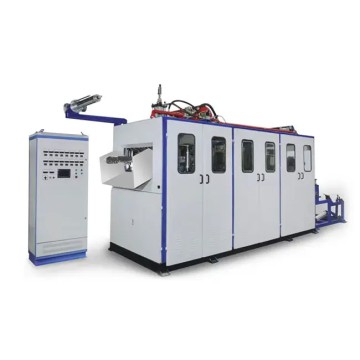
High-Efficiency Cup Thermoformer
Designed to produce single and multi-layer plastic sheets for thermoforming. Featuring advanced extrusion dies, high-torque gearboxes, and hard-chrome calender rolls, these systems deliver consistent sheet thickness control.
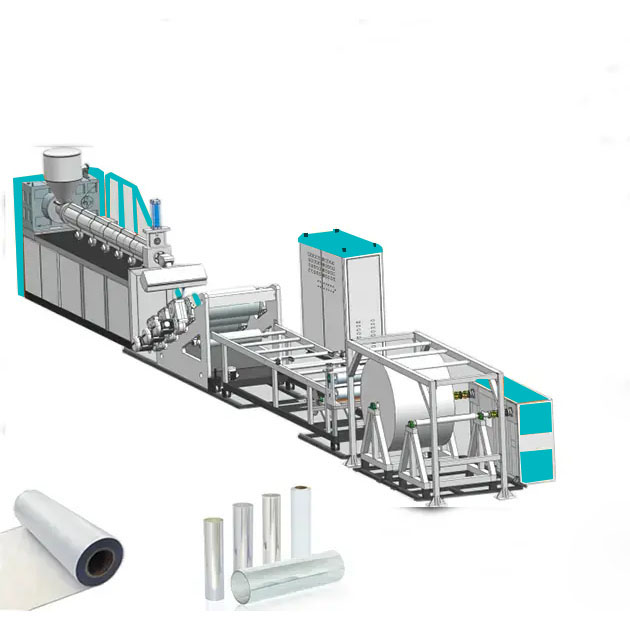
Plastic Sheet Extrusion Machine
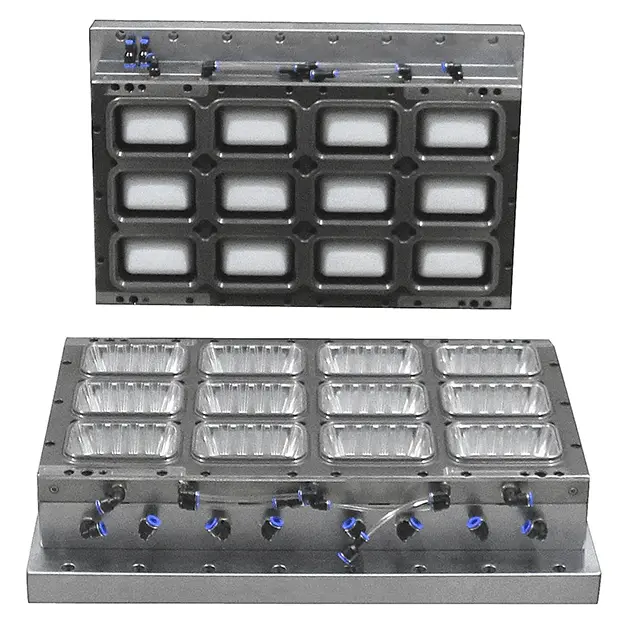
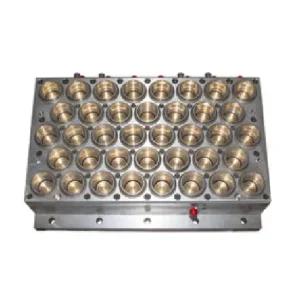
Precision Thermoforming Mold
Multi-layer Co-Extruded Sheet Machine
Multi-Layer Plastic Sheet Extrusion
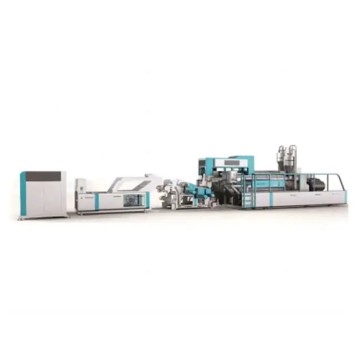
Plastic Sheet Extruder Machine
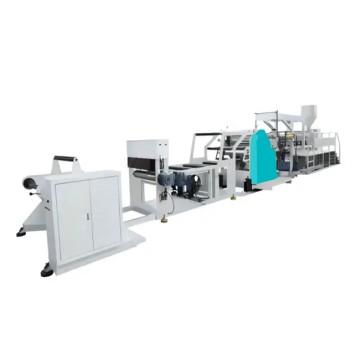
High-Throughput Sheet Extruder
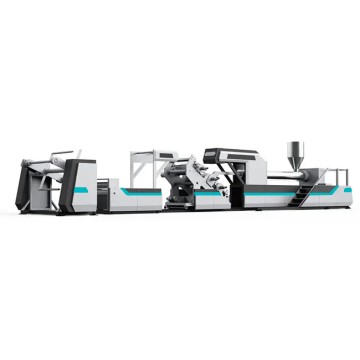
Diagonal Single-layer Plastic Sheet Extruder
High-speed curved dry offset presses, screen printers, and automated cup packaging lines. These systems handle post-forming decoration, ink curing, and automated product wrapping.
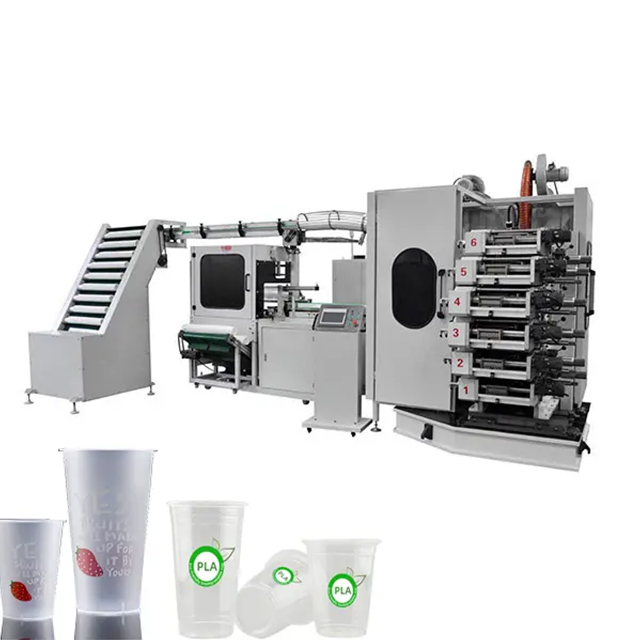
Disposable Cup Printing Machine
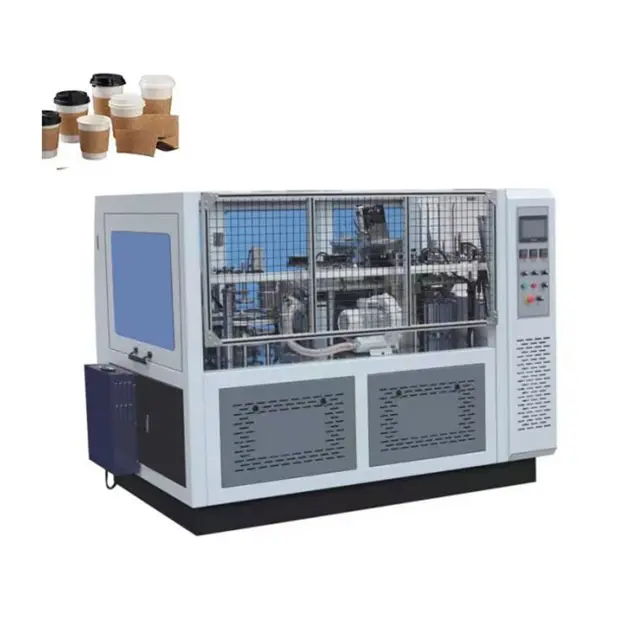
Paper Cup Packing Machine
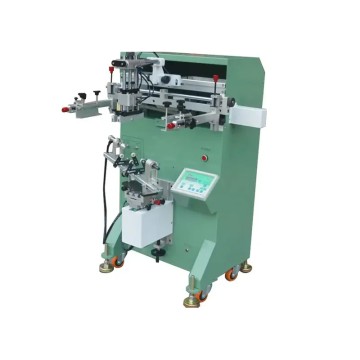
Silk Screen Printing Machine
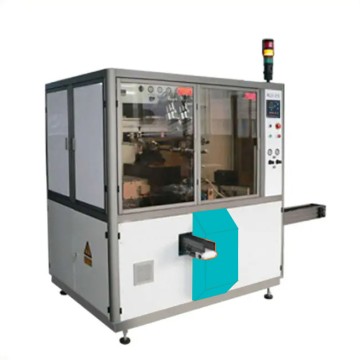
Cup Silk Screen Printer
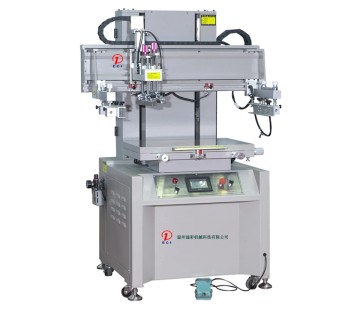
Cup Silk Screen Curved Printer
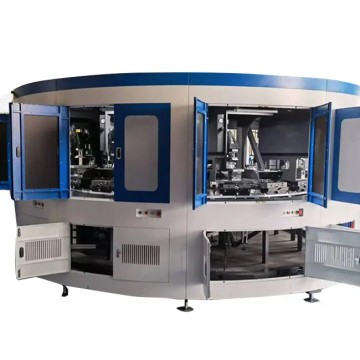
Servo Screen Printing Machine
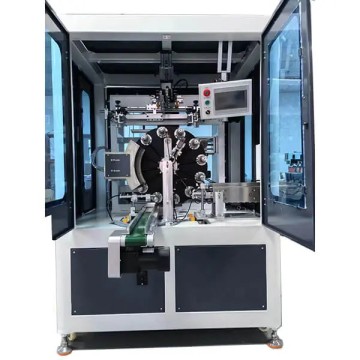
Vertical Screen Printing Machine
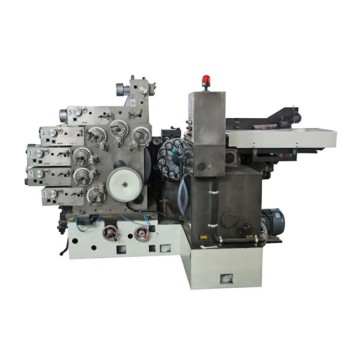
6-color Curved Printing Machine
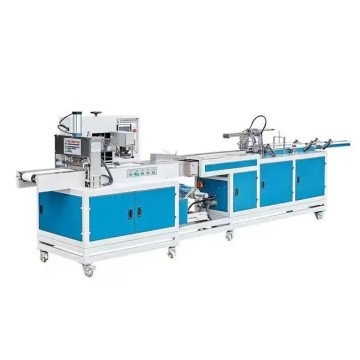
4 Row Packaging Machine
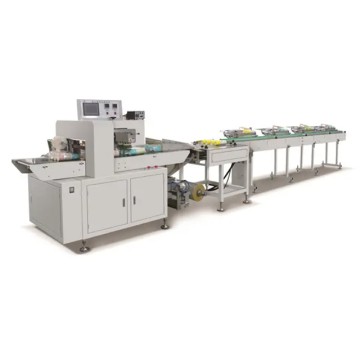
Multi-Row Cup Packaging Machine
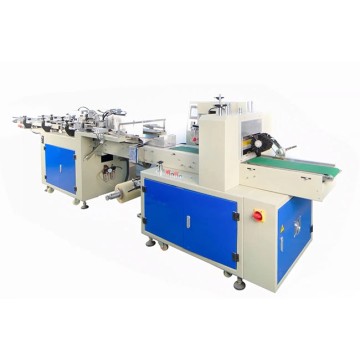
Double Row Cup Packaging Machine
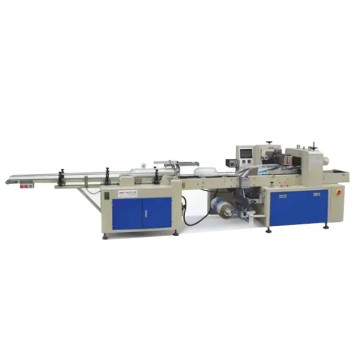
Single Row Packaging Machine
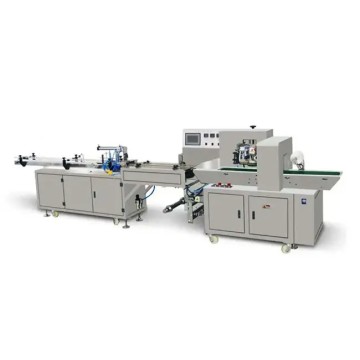
Single Row Cup Wrapper
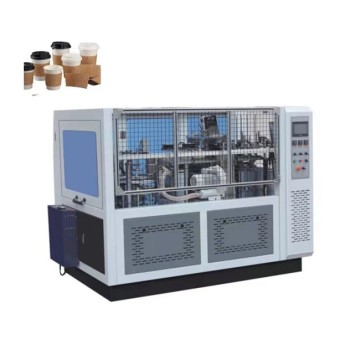
Paper Cup Making Machine
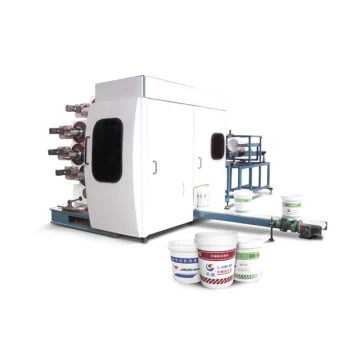
Industrial Bucket Printing Machine
Aligning machinery setups with international electrical standards, safety codes, and local operations.
Deploying heavy industrial machinery globally requires adherence to local electrical systems, pressure vessel safety codes, and environmental regulations. A standard machine configuration built for one market might not function safely in another without careful engineering adjustments. Yicai Machinery addresses these requirements by systematically adapting every export unit to the regulatory framework of the destination country.
Electrical configuration represents the first level of customization. While standard machinery in East Asia operates on 380V/50Hz 3-phase systems, North American installations require 220V, 460V, or 480V at 60Hz. We rebuild electrical panels to meet these specifications, integrating UL-compliant or CE-marked control switchgear, variable frequency drives, and servo control systems. This ensures local electrical compliance and protects control electronics from power phase imbalances.
Furthermore, machine guarding, safety interlocks, and emergency stop circuits are built to satisfy international standards. Our systems can be configured with ISO 13849-1 safety relays and light curtains to meet European safety machinery directives. For hydraulic components, all pressure hoses, valves, and cylinders are tested to resist wear and pressure fluctuations, conforming to local industrial health and safety standards.
Our systems process high-clarity food containers, dairy cups, seedling trays, and printed industrial packaging.
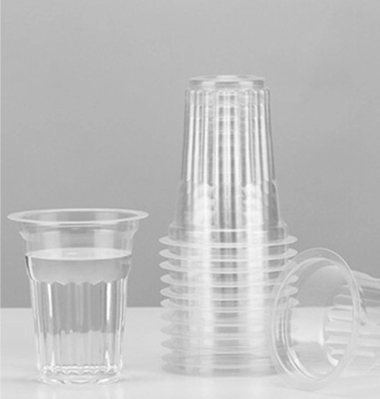 Transparent PP Cups
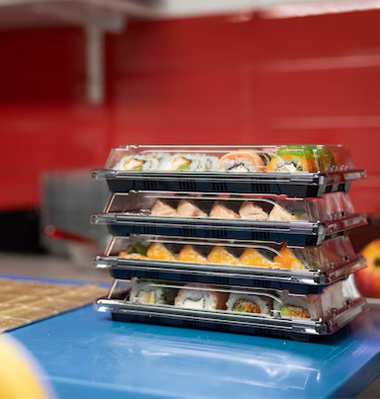 Plastic Food Trays
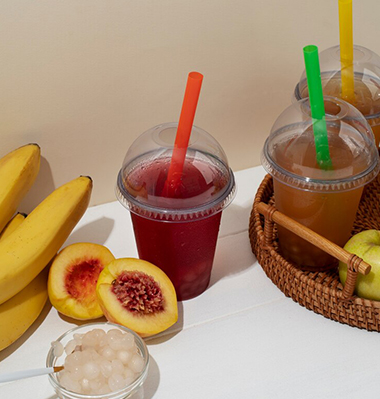 Juice Cups
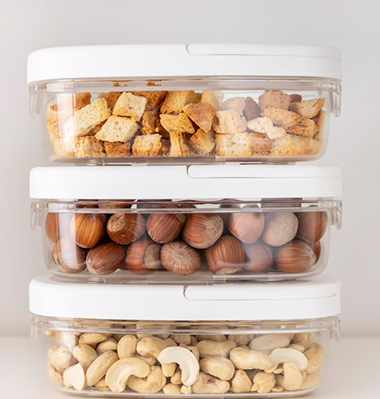 Industrial Seedling Trays
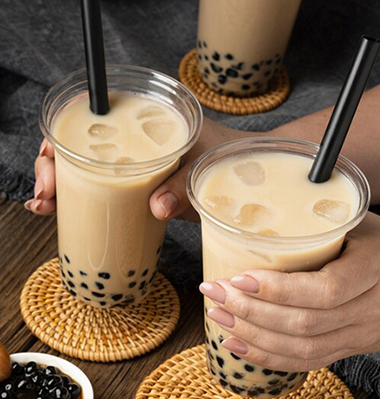 Milk Tea Cups
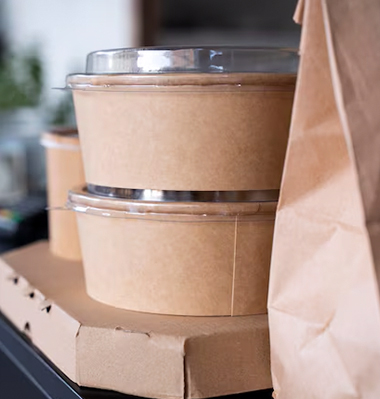 Fast Food Boxes
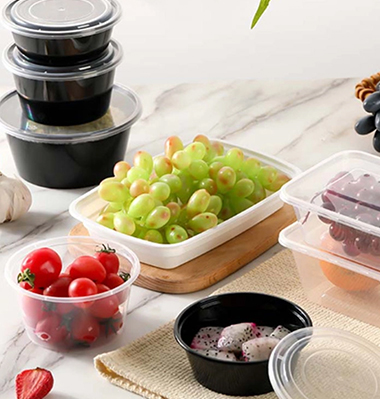 Packaging Food Trays
 Sealed Cup Arrays
Analyzing key advancements in machinery design, IoT diagnostics, and eco-friendly material processing.
As industrial automation advances, the design of manufacturing machinery is evolving toward greater connectivity and precision. The R&D roadmap at Wenzhou Yicai Machinery centers on integrating digital controls, improving thermal efficiency, and enabling high-yield processing of biodegradable materials.
One major area of focus is the transition from hydraulic actuation to fully electric, servo-driven movements. While hydraulic systems provide high force, they are subject to oil temperature shifts and potential leaks, which can impact consistency. Servo-driven platens and plug assists, by contrast, offer precise control over speed and positioning, with repeatable stroke accuracy within 0.05mm. This degree of control enables faster production cycles and reduces energy consumption by up to 35% compared to conventional hydraulic systems.
Thermal control is another key area of innovation. Traditional thermoforming machines use broad heating zones that can cause uneven sheet temperatures and material thinning. Our upcoming thermal arrays feature individual ceramic heating elements managed by closed-loop PID controllers. This system dynamically adjusts output to maintain a uniform temperature across the sheet. Real-time temperature data helps operators optimize settings for sensitive biopolymers like PLA, which have narrow processing temperature windows.
In addition, we are incorporating remote diagnostic interfaces into our PLC platforms. By equipping machines with secure VPN gateways, our technical support team can assist clients globally with remote software updates, parameter adjustments, and troubleshooting, helping to minimize unplanned downtime.
Common technical questions answered by our engineering department regarding installation, operations, and system maintenance.
Each polymer displays distinct thermodynamic properties. PP requires gradual heating and precise cooling to control crystallization, PET requires pre-drying and venting to prevent hydrolytic degradation, and PLA has a narrow melting window. Our thermoforming machines feature multi-zone PID infrared heaters and adjustable cooling parameters, allowing operators to save and load specific thermal profiles for each material type via the PLC interface.
Our curved offset printers use high-precision indexing drives and mandrels machined to match the specific taper of the container. Registration alignment is maintained via mechanical geared linkages and optional camera-based registration systems. This setup controls registration tolerances within ±0.1mm, even during high-speed production runs.
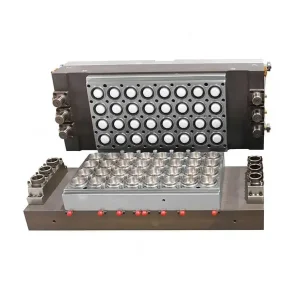
Yes. Our engineering department designs and manufactures custom thermoforming molds based on client product drawings or physical samples. We construct molds using high-grade aluminum alloys or tool steels, incorporating integrated water-cooling channels to ensure rapid heat dissipation and short cycle times.
Co-extrusion allows manufacturers to produce sheet structures containing recycled post-consumer regrind (PCR) sandwiched between thin layers of virgin polymer. For example, in a three-layer sheet (A-B-A), the inner layer (B) can consist of lower-cost recycled material, while the outer layers (A) utilize virgin resin. This maintains food safety and surface finish compliance while reducing total resin costs.
We customize the electrical panels, motors, and heating elements of our machines to match local utilities. Standard configurations include 380V/50Hz, 220V/60Hz, 440V/60Hz, or 480V/60Hz 3-phase power. All control wiring is labeled and matches the schematics provided in the technical documentation.
Our machinery lines can be equipped with PLC network gateways, enabling remote technical support over secure VPN connections. With client authorization, our software engineers can diagnose PLC logic, monitor sensor readouts, adjust parameters, and guide local maintenance teams through repairs, reducing the need for on-site service visits.
Servo systems draw energy only when performing mechanical movement, whereas hydraulic pumps require continuous power to maintain fluid pressure. Servo drives also offer precise control over acceleration and deceleration, leading to smoother machine operation, reduced wear on mechanical parts, and shorter overall cycle times.
We recommend daily lubrication of linear guide rails and toggle links, weekly inspection of pneumatic filters and water traps, and monthly verification of heater electrical terminals and safety interlock switches. Every six months, operators should check the calibration of temperature sensors and perform a complete system diagnostic check.
Contact our application engineers for custom machinery specifications, quote requests, or to schedule a factory visit.
Fill out the form below to receive material yield calculations, standard mechanical drawings, and customized machinery pricing.
Explore our high-performance forming molds, curved offset presses, and sheet processing machinery.
 Yicai Machinery