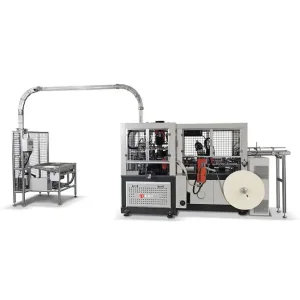
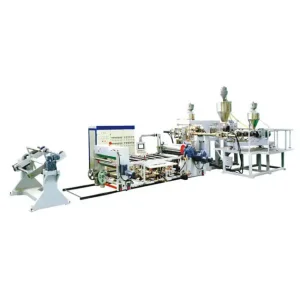
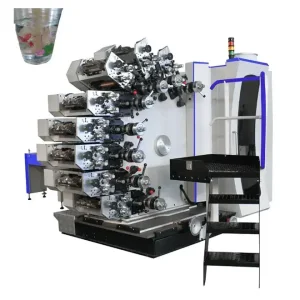
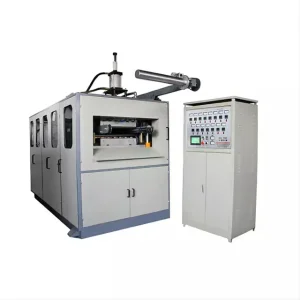
High-performance forming and extrusion systems built for precision packaging manufacture.
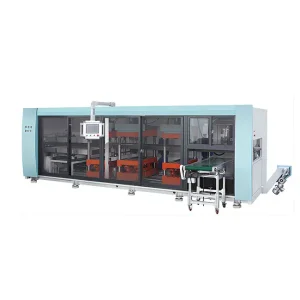
The contemporary packaging and industrial forming landscapes demand unprecedented levels of speed, efficiency, and structural integrity. At the center of this technological paradigm shift sits Pressure Thermoforming, an advanced variant of standard thermoforming. By combining high vacuum forces with intense localized air pressure (often exceeding 4 to 6 bar), pressure thermoforming presses molten plastic sheet materials into complex steel or aluminum molds. This enables the fabrication of plastic structures with tight corners, complex undercuts, minimal wall thinning, and smooth surface textures. This level of detail rivals high-pressure injection molding at a fraction of the initial tooling cost.
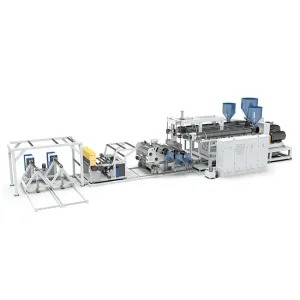
Originating in 2010 under the name "Ruian Seven Star Machinery" and subsequently rebranded as Wenzhou Yicai Machinery Technology Co., Ltd. in 2022, our enterprise is based in Zhejiang Province—the industrial heartland of East China's coastal manufacturing cluster. Over the course of more than a decade, Yicai Machinery has transformed from a regional toolmaker into an international developer and supplier of complex thermoforming equipment, multi-layer co-extrusion sheet machines, high-speed offset printing presses, and custom packaging systems. By leveraging an experienced R&D team and utilizing advanced machining centers, we combine precision engineering, material science, and automation to provide complete, turnkey plastic cup and container production lines.
Technological intensity is the core attribute of the modern machinery industry. High-precision mechanical processes require integration across structural design, dynamic thermodynamic analysis, complex pneumatic control systems, and automated PLC synchronization. At Yicai Machinery, we recognize that selecting manufacturing equipment is a long-term capital investment. As a result, we design our machinery with durability and structural stability in mind. We use thick steel plates, heat-treated structural elements, and premium electrical and pneumatic components to ensure our systems deliver reliable uptime and consistent output across multiple shifts.
Our business philosophy is focused on mutual success, driven by technical innovation and robust quality control systems.
We configure machinery based on your precise production requirements, including targeted line speeds, specialized material setups, custom component configurations, and tailored colors or branding.
Our dedicated R&D division has spent decades refining the mechanical engineering of thermoforming processes, driving the evolution from manual systems to fully automated, high-output production lines.
With equipment deployed in factories worldwide, we maintain a global mindset that guides our compliance practices, language support, trade logistics, and cross-border project management.
We source core electrical, pneumatic, and control components from trusted international brands to reduce operational risks, maximize machine uptime, and streamline local parts sourcing.
Our comprehensive quality management framework spans raw material verification, precision CNC component machining, system integration, test runs under load, and final pre-shipment inspections.
We provide comprehensive lifecycle support, ranging from pre-sales technical consultations and floorplan layout planning to on-site commissioning, operator training, and remote system diagnostics.
Global food packaging manufacturers, dairy conglomerates, and consumer goods companies look for machinery partners that can deliver high speeds, consistent reliability, and an excellent return on investment. Sourcing thermoforming machinery and printing lines from Wenzhou, China provides key strategic advantages:
Integrated Industrial Ecosystem: Wenzhou is home to a dense cluster of specialized metal casting, precision component manufacturing, and surface treatment facilities. This allows us to rapidly prototype, optimize, and iterate mechanical designs.
Agile Engineering: Our proximity to this industrial network enables Yicai Machinery to deliver custom machinery configurations far more quickly than many traditional Western manufacturers.
Competitive Capital Investment: By optimizing resource allocation, we help factories reduce their initial capital expenditures. This enables them to scale up production and reach profitability more quickly.
Operating machinery across borders requires strict adherence to regional safety and technical regulations. At Yicai Machinery, we configure our export equipment to align with essential international standards, including:
European CE Certification: We design safety doors, emergency stop systems, electrical grounding, and physical guarding to comply with the European Machinery Directive.
North American UL & FDA Standards: We select components that meet UL-approved electrical requirements, and ensure all food-contact surfaces are constructed from food-grade stainless steel (SUS304/SUS316) or certified FDA-compliant polymers.
Local Engineering Support: We have established a network of local service partners to assist with installations, and we utilize secure remote diagnostics to help troubleshoot PLC systems and minimize downtime.
Modern thermoforming is shaped by two major trends: automation and sustainability.
High Automation & Industry 4.0: Modern production lines rely on high-speed servo motors to drive sheet transport, plug assist, and cutting systems. Integrating PLC controls with touch-screen human-machine interfaces (HMIs) allows operators to monitor process data in real time, store optimal recipes, and track throughput.
Processing Biodegradable & Recycled Resins: As environmental regulations tighten, factories must adapt to process alternative materials like Polylactic Acid (PLA), crystallizable PET (CPET), and recycled PET (rPET). These materials require precise, multi-zone temperature controls, which we integrate directly into our heating ovens to prevent issues like material sagging or crystallization.
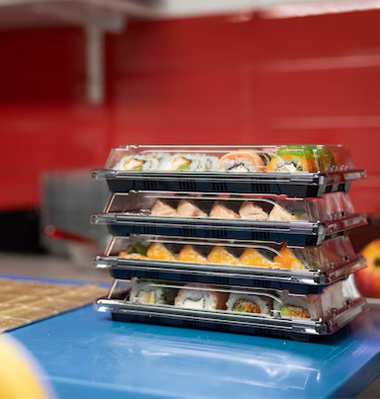
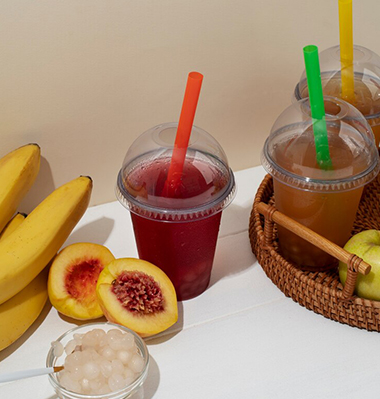
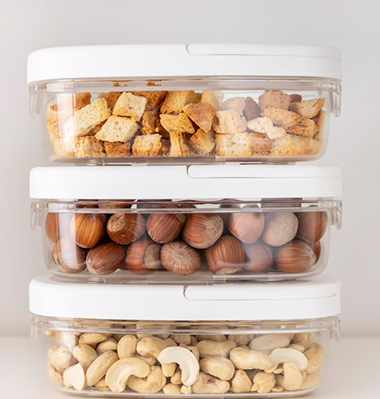
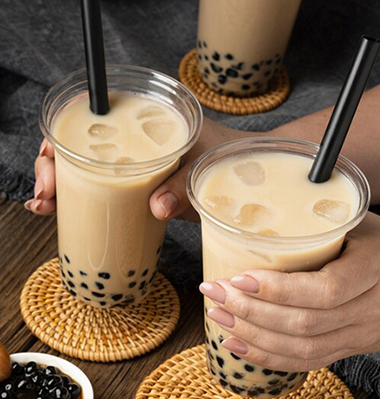
Our thermoforming systems are designed to process diverse materials for a wide variety of commercial sectors.

Answers to key engineering and operational questions about our pressure thermoforming systems.
Answer: Vacuum forming relies solely on atmospheric pressure (~1 bar) to pull the heated sheet against the mold. Pressure forming adds compressed air (typically 4 to 6 bar) from the opposite side, forcing the material into the mold cavities. This higher pressure yields significantly sharper details, tighter corners, and more uniform wall thickness. This makes it ideal for producing complex containers, beverage lids, and textured trays.
Answer: Our machinery utilizes multi-zone infrared ceramic heating panels controlled by independent PLC modules. This configuration allows for precise temperature profiling across the sheet width. In addition, we incorporate photoelectric sag sensors that monitor sheet deflection in real time. If the sheet starts to sag, the system dynamically adjusts the heating elements or initiates an air-support cushion to maintain optimal sheet tension before forming.
Answer: Yes, our multi-station thermoforming lines are designed to handle biodegradable resins. PLA has a narrow processing temperature window and lower melt strength compared to traditional polymers like PP or PET. Our machines address this with precise PID temperature controls, adjustable servo-driven plug assists, and customized mold cooling paths. This configuration ensures consistent material distribution and reliable release without warping or tearing the material.
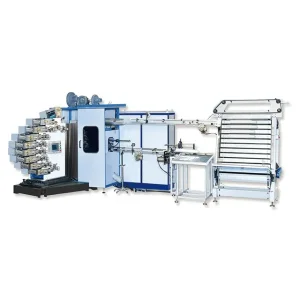
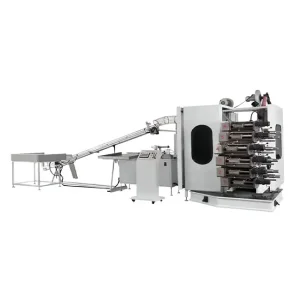
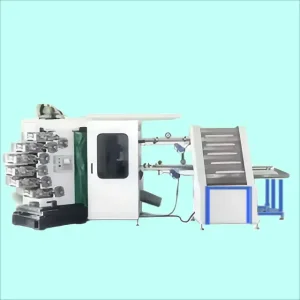
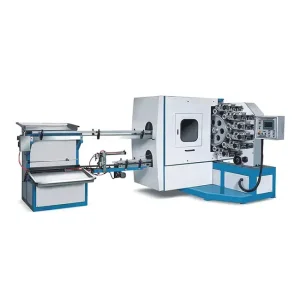
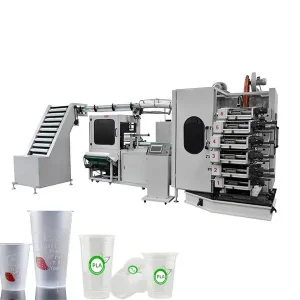
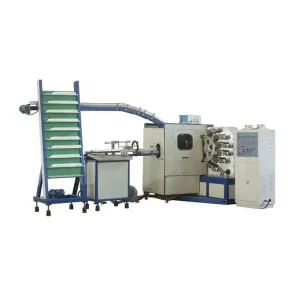
Answer: Our curved offset printing systems are built with high-precision mechanical linkages, print cylinders, and micro-adjustable ink fountain keys. Each printing plate can be micro-adjusted across three axes (radial, axial, and angular) during operation. The print mandrel turret is driven by a precision indexer, ensuring each cup is positioned accurately under the blanket cylinder to achieve crisp, multi-color prints at speeds of up to 400 pieces per minute.
Answer: For standard thermoforming configurations, our production lead time ranges from 45 to 60 days. If your project requires custom molds or specialized inline packaging integrations, the total lead time is typically 75 to 90 days. This timeline includes 3D mold layout simulation, precision CNC machining, system integration, and rigorous testing under production load at our facility prior to shipment.
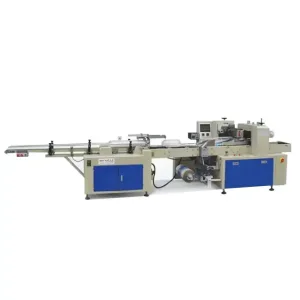
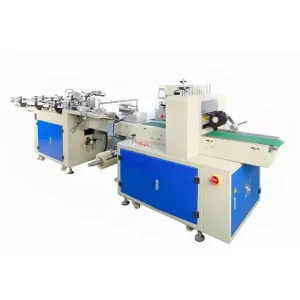
Explore our complementary extrusion, printing, and downstream packaging solutions for complete production lines.
We provide industrial production planning and machinery configuration consultations for global buyers. Contact our office directly for customized quotes, system configuration specs, and workflow options.
 Yicai Machinery