 Yicai Machinery
Executive Summary: The Evolution of Rigid Plastic Container Decoration in South Korea
In the highly competitive manufacturing ecosystems of East Asia, South Korea stands out as a global powerhouse in chemicals, cosmetics, lubricants, paints, and processed food packaging. Companies like KCC Corporation, Samhwa Paints, GS Caltex, S-Oil, and food giants such as CJ CheilJedang demand the highest standards in packaging design, material science, and print accuracy. As the South Korean Ministry of Environment enforces increasingly strict regulations under the "Act on the Promotion of Saving and Recycling of Resources," packaging manufacturers are pivoting rapidly toward direct-to-shape decoration technologies that streamline the recycling chain.
This industry whitepaper explores the technological convergence of high-speed dry offset bucket printing, multi-station thermoforming, and plastic sheet extrusion. By replacing conventional adhesive-backed film labels and in-mold labels (IML) with direct dry offset printing, Korean industrial manufacturers achieve a double victory: drastically lowering the per-unit decoration cost and ensuring that polypropylene (PP) and high-density polyethylene (HDPE) buckets remain 100% recyclable. This comprehensive technical guide highlights how Wenzhou Yicai Machinery Technology Co., LTD. supports South Korea's industrial base with localized machine support, heavy-duty build quality, and bespoke system integration.
South Korea's Industrial & Economic Context: Driving the Need for Advanced Print Technology
The Regulatory Mandate: Zero-Label Recyclability
South Korea’s recycling rating system classifies packaging into four grades: "Excellent," "Good," "Difficult," and "Impossible to Recycle." Packages with adhesive labels that do not separate cleanly in water are hit with punitive environmental levies and must display warning labels to consumers. This legislation has transformed the industrial pail and container sector. Direct dry offset printing on PP and HDPE buckets applies food-safe, chemical-resistant UV-cured inks directly to the polymer surface. This bypasses the need for adhesives or carrier papers, placing the decorated container in the "Excellent" to "Good" recyclability categories, significantly reducing tax exposure for Korean packaging suppliers.
Industrial Conglomerates and Pail Standards
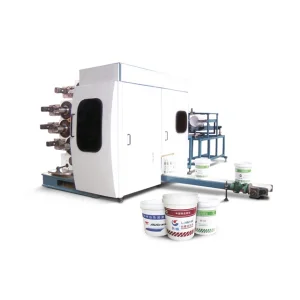
Industrial buckets used for shipping lubricants (GS Caltex, Hyundai Oilbank), building adhesives, and architectural paints (Noroo Paint, KCC) are subjected to extreme physical stress, environmental variables, and chemical exposure. A standard paper label degrades, curls, or peels during outdoor storage. Direct container decoration using 6-color offset systems guarantees colorfastness, abrasion protection, and long-term durability. Our machinery serves these demanding pipelines with high-speed indexing, automatic flame or corona pretreatment, and high-intensity UV curing tunnels that chemically crosslink inks directly to the raw polyethylene or polypropylene substrate.
Global Industrial Landscape: Dry Offset vs. In-Mold Labeling (IML) vs. Digital Inkjet
When selecting a decorative technology for tapered plastic pails, global packaging firms weigh three dominant methods. Wenzhou Yicai Machinery provides the engineering rationale for dry offset printing, which remains the leading choice for high-volume, cost-effective pail manufacturing.
1. Dry Offset Printing (The Industry Standard)
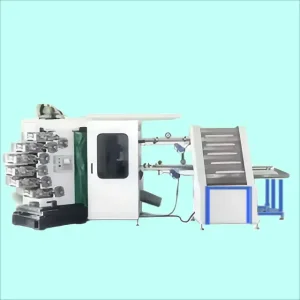
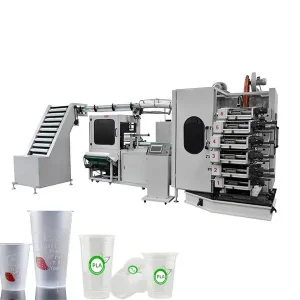
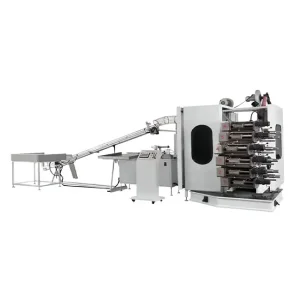
Dry offset printing utilizes raised relief plates on color stations to transfer paste ink to a central rubber blanket cylinder, which then rolls the combined multi-color image onto the rotating bucket in a single pass. Key Advantages: High production speeds (up to 40-50 pails per minute), exceptionally low ink cost per square meter, long-term machine reliability, and zero label waste. It is ideal for large runs of industrial paint, chemical, and food-grade pails.
2. In-Mold Labeling (IML)
IML places a pre-printed polypropylene film inside the injection mold before plastic is injected, fusing the label to the bucket wall. Key Advantages: Photorealistic print quality. Disadvantages: Extremely high label stock costs, reduced injection molding cycle times, high reject costs (if the mold flashes or the label wrinkles, the entire bucket and label are discarded), and high vulnerability to humidity changes inside Korean storage facilities.
3. Direct-to-Shape Digital Inkjet
This process uses print heads to spray UV-curable ink directly onto a rotating container. Key Advantages: Short setup times, ideal for micro-runs. Disadvantages: Extremely high capital expenditure for equipment, slow output (typically less than 10 pails per minute), and high cost of specialized inks, making it cost-prohibitive for industrial packaging giants.
Technical Roadmap & Engineering Innovations of Wenzhou Yicai Systems
Wenzhou Yicai Machinery Technology Co., LTD., built on the operational excellence of "Ruian Seven Star Machinery" (est. 2010), has developed an advanced technical roadmap designed to satisfy the automation requirements of South Korea's Smart Factory 3.0 initiatives.
Precision Mandrel Indexing and Servo-Driven Operations
For cylindrical and tapered bucket printing, keeping correct registration across 6 independent colors requires perfect mechanical synchronization. Our printing presses incorporate multi-axis servo motors (utilizing premium brands like Omron or Siemens) to control mandrel rotation, print blanket speed, and incoming feeding chains. This guarantees that registration remains stable down to ±0.1mm, even when printing tapered angles from 1 to 7 degrees.
Integrated Surface Pre-treatment
Polyolefins (PP and PE) are inherently low in surface energy, preventing inks from bonding securely. To prevent ink peeling under extreme shipping conditions, our bucket printing presses feature an automated, integrated gas-flame treatment or high-frequency corona discharge assembly. Elevating the surface tension to at least 42 dynes/cm prior to printing ensures crosslinking of the UV ink layer to the container surface.
Advanced UV & LED Curing Modules
South Korean green initiatives demand energy-efficiency. Our lines incorporate hybrid UV/LED curing systems that cure inks instantly at high running speeds. LED curing decreases heat transfer to thin-walled containers (preventing bucket warping), lowers power draw by up to 50%, and features an operational life exceeding 20,000 hours, lowering down-time compared to traditional mercury arc lamps.
Complete End-to-End Plant Integration Solutions
Wenzhou Yicai Machinery supplies more than standalone printing presses; we design complete material processing loops that integrate plastic sheet extrusion, high-speed thermoforming, and post-molding decoration. Our system solutions include:
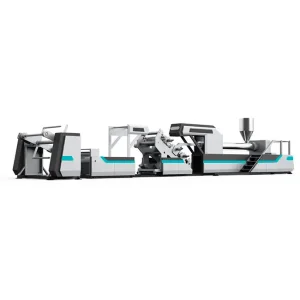
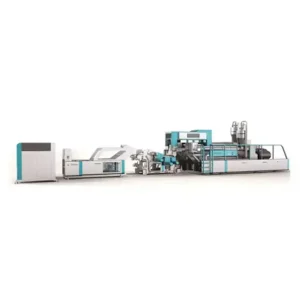
- Raw Material Processing: Multi-layer sheet co-extrusion machinery that handles virgin or recycled food-grade resins (PP, PS, PET, PLA) with precise thickness control.
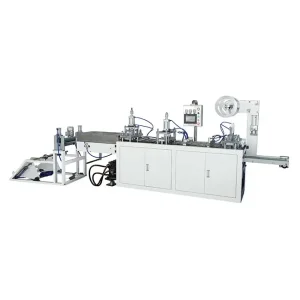
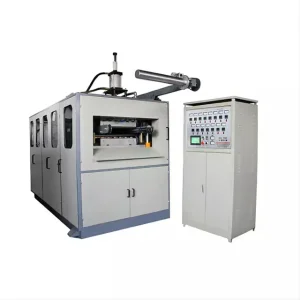
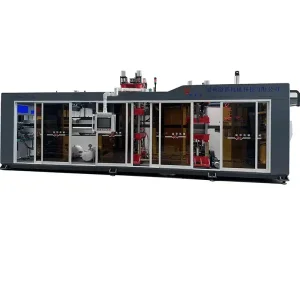
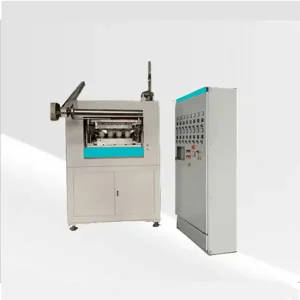
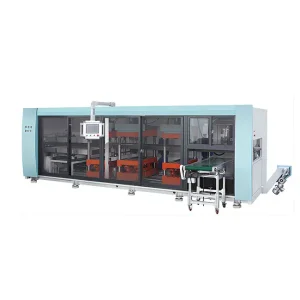
- Automated Thermoforming: High-performance multi-station thermoforming presses that produce cups, trays, and matching bucket lids with integrated punching and stacking features.
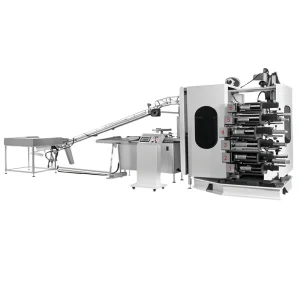
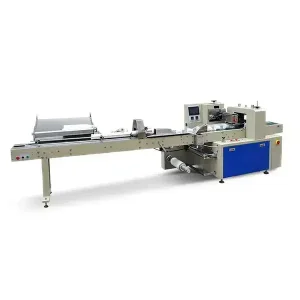
- Inline Printing & Packing: Continuous output systems that feed thermoformed cups or injection-molded buckets directly into multi-color dry offset presses, followed by automatic counting, stacking, and packaging modules.