Precision-engineered automated forming, printing, and packaging lines for high-volume plastic production.
Advanced Analysis of Modern Thermoforming Technologies & Structural Procurement Trends
The global demand for high-capacity disposable plate manufacturing equipment is undergoing a major paradigm shift. Triggered by strict environmental legislation like the European Union Single-Use Plastics Directive and corresponding regulations across North America, packaging firms are pivoting. The classic reliance on standard hydraulic injection lines has yielded to high-precision, multi-station positive and negative pressure thermoforming machines.
Modern production plants now prioritize operational agility, energy conservation, and multi-polymer adaptability. Manufacturers can no longer optimize for just one material; thermoforming equipment must effortlessly switch from traditional PP (polypropylene) and PET (polyethylene terephthalate) to bio-based and biodegradable alternatives such as PLA (polylactic acid), starch-based compounds, and rPET. Implementing these materials requires precise temperature profiling, custom mold designs, and specialized cooling cycles to ensure structural integrity and prevent warping.
Traditional Polymers: Focuses on fast cycle times, thin-wall structural strength, and uniform material distribution across high-cavity tools.
Bio-based Materials (PLA/rPET): Demands precise heat management, closed-loop sheet tension controllers, and custom air eject systems to avoid brittle fracturing during the trimming phase.
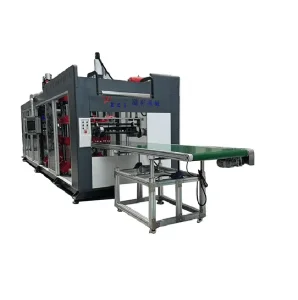
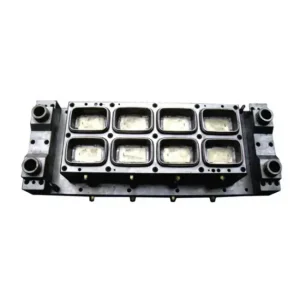
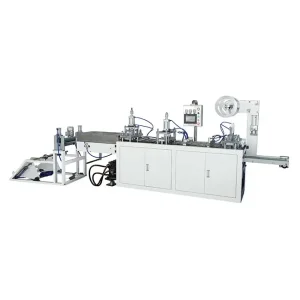
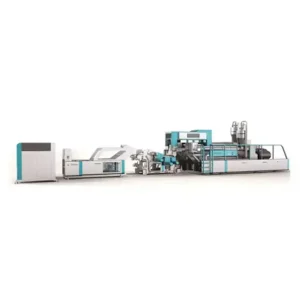
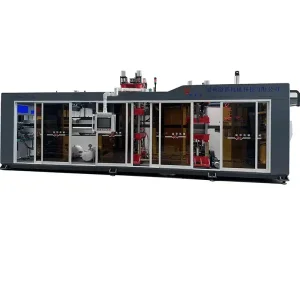
At the center of high-efficiency disposable plate manufacturing is the synchronization of thermoforming and sheet extrusion mechanics. Wenzhou Yicai Machinery integrates custom multi-layer co-extrusion technology with forming blocks to enable in-line production or offline high-throughput processing. High-quality positive and negative pressure forming systems work by combining mechanical plug assists, pressure bell domes, and clean vacuum draw downs inside the mold cavity. This dual-action pressure control achieves crisp detail on plate rims, deep compartment divisions, and structurally rigid base geometry while maintaining uniform wall thickness.
In-mold trimming is another critical technology. Traditional setups cut formed plates outside the forming station, which often causes thermal shrinkage discrepancies, misaligned edges, and higher scrap rates. By executing the forming and cutting operations in a single cycle (in-mold trimming), the tooling maintains absolute registration. The resultant plates are uniformly cut and immediately transferred to high-speed automatic stacking units. This eliminates manual handling, decreases contamination risks, and reduces structural defect rates to under 0.05%.
Replaces pneumatic and hydraulic actuators with digital servo drives, enabling repeatable sub-millimeter positioning and reducing energy consumption by up to 35%.
Optimized mechanical configurations allow modern machines to run at speeds up to 30-35 cycles per minute, maximizing output per square meter of facility space.
Features quick-clamping mechanical systems and pre-heating mold blocks, reducing production changeover times from 8 hours down to under 45 minutes.
Evaluating Total Cost of Ownership (TCO) & Sourcing Efficiency
For industrial buyers, purchasing a wholesale disposable plates machine is a major capital investment. Buyers must analyze the Total Cost of Ownership (TCO) rather than just the initial purchase price. Key variables include power consumption profiles, tooling wear cycles, replacement part availability, and integration with downstream packaging automation.
Wenzhou Yicai Machinery addresses these needs by sourcing components from reputable global brands. Our machines feature Siemens PLC control modules, Yaskawa servo drives, and Festo pneumatic systems. Integrating these components ensures reliable performance, simplifies global maintenance, and ensures replacement parts are easy to source, minimizing unplanned downtime.
In addition, our manufacturing philosophy is built around high-efficiency supply chains. By establishing close relationships with raw material suppliers and utilizing advanced CNC metal machining centers, Wenzhou Yicai keeps its manufacturing tolerances within ±0.01mm. This level of precision extends the operating life of our molds, guaranteeing clean plate cuts even after millions of stroke cycles.
Wenzhou Yicai’s Development Plan for Smart, Clean-Loop Thermoforming Systems
Integrating infrared heat arrays with dynamic closed-loop temperature sensors. This configuration automatically compensates for variations in sheet thickness and ambient factory temperature, ensuring uniform heating across the entire sheet layout.
Implementing inline scrap granulators that catch skeleton web scrap directly from the trim station. The granulated plastic is fed back into the co-extruder feed throat, creating a continuous closed-loop cycle with zero material waste.
Equipping thermoforming machines with IoT edge-gateways. By monitoring motor torque, heater band resistance, and pneumatic cycle signatures, our systems can predict component wear and alert operators before failures occur.
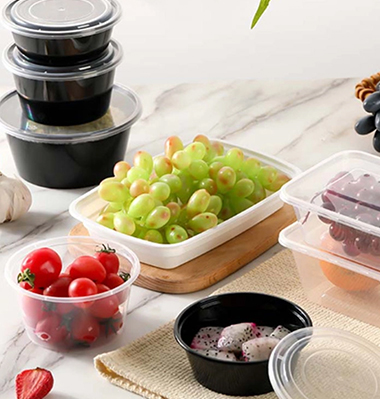
Discover how our versatile machinery processes diverse raw materials for global food packaging applications.
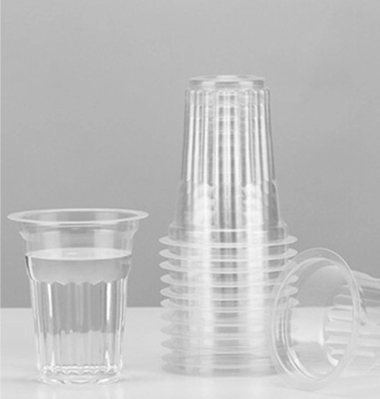
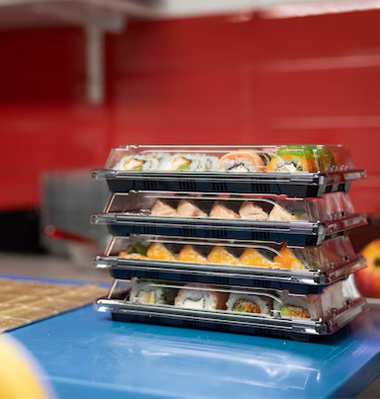

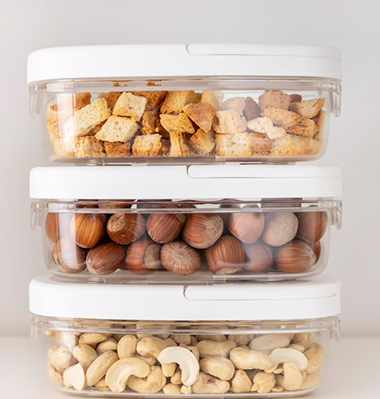

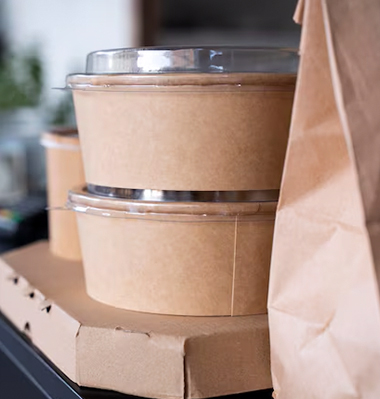

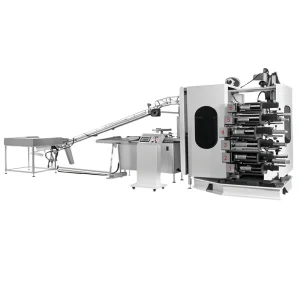
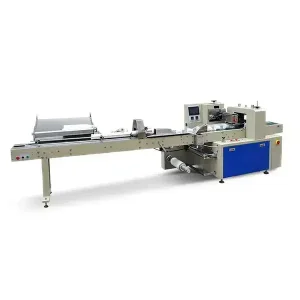
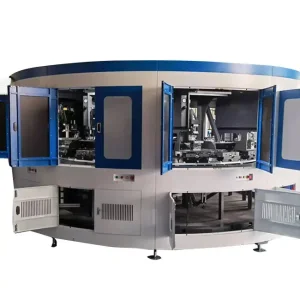
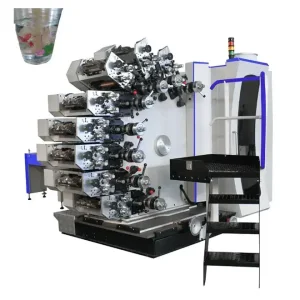
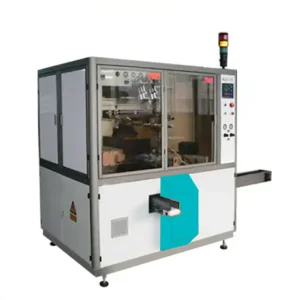
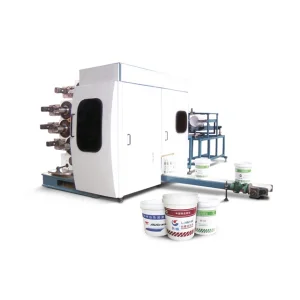
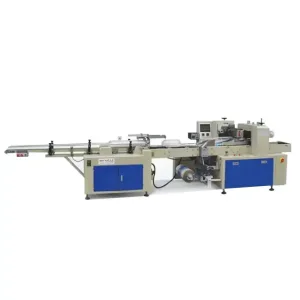
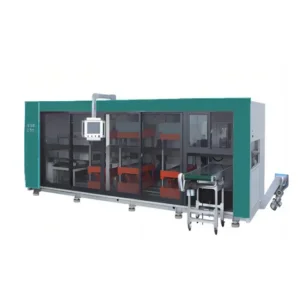
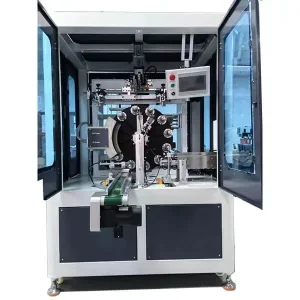
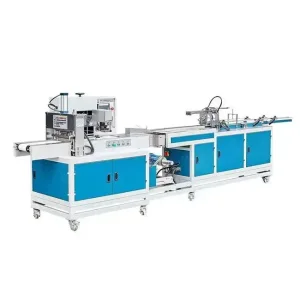
Complete your production ecosystem with automated sheet extrusion, high-capacity printing, and high-speed packaging machinery.
Get answers to common technical, operational, and commercial questions from our engineering team.
Wenzhou Yicai Machinery Technology Co., LTD. (formerly Ruian Seven Star Machinery) has been building specialized plastics machinery since 2010. Based in Zhejiang Province, one of China's coastal manufacturing hubs, we design and produce thermoforming machines, curved offset printing lines, and sheet co-extrusion machinery.
Our focus on technical precision, reliable supply chain management, and responsive customer support helps packaging producers around the world scale their operations and reduce structural downtime.
 Yicai Machinery