Discover industrial thermoformers, advanced paper cup makers, precision mold sets, and downstream automated double-row packaging lines built for commercial throughput.
The global demand for wholesale disposable packing boxes has undergone a profound evolution. Driven by rapid shifts in retail delivery systems, the globalization of quick-service food chains, and stringent international standards for hygienic food-contact safety, manufacturers are forced to optimize production workflows. No longer is packaging defined by simple manual processing. Today's marketplace demands high-speed thermoforming precision, clean-room compatibility, multi-layer co-extrusion technology, and chemical safety compliance.
In this dynamic landscape, the mechanical engineering quality of thermal systems and extrusion tooling determines a manufacturer's bottom-line profitability. Heavy machinery operations have transitioned from basic pneumatic forming units to fully integrated, multi-station servo-driven thermoforming production lines. By controlling sheet tension, temperature, and mold cutting in a synchronous loop, modern factories achieve cycle speeds exceeding 30 to 45 cycles per minute while minimizing plastic material scrap.
Industrial food packaging requires complex thermodynamic characteristics. Traditional materials like Polyethylene Terephthalate (PET) and Polypropylene (PP) continue to dominate due to their thermal resistance, clarity, and cost-efficiency. However, the rise of Polylactic Acid (PLA) and other biodegradable bioplastics has added structural challenges for tooling and extrusion engineers. PLA requires incredibly strict heat zone control during the extrusion stage, alongside custom mold cooling geometries to prevent structural warping during high-speed release cycles.
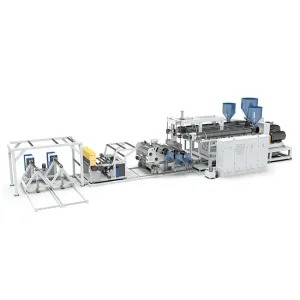
For large-scale wholesale operations, isolated machinery creates material transfer bottlenecks and labor inefficiencies. The standard industry configuration is a **Turnkey Extrusion-Thermoforming-Printing-Packaging Line**. In this process:
Engineering high-speed thermoforming, extrusion, and curved printing solutions since 2010.
Originally established in 2010 as **"Ruian Seven Star Machinery"** and strategically rebranded to **"Wenzhou Yicai Machinery Technology Co., LTD."** in 2022, the enterprise has grown to become a benchmark manufacturer in East China's coastal manufacturing cluster (Zhejiang Province). The company specializes in answering the global demand for food container machinery, targeting custom projects that require robust mechanical performance, safety, and minimized downtime.
We tailor logo design, equipment paint aesthetics, components integration (Siemens, Delta, Mitsubishi PLC), and customized thermoforming cavities to matching customer technical specs.
Delivering high-tech systems to manufacturing clients globally. We support multiple payment pathways, maritime shipping, and compliance document setups for hassle-free custom clearances.
Continuous innovation tracking in structural mechanical components. Upgrading machinery from semi-automated hydraulic steps to smart full-servo, high-speed multi-station setups.
Strategic purchasing networks. Selecting top-tier, international brand name electrical switches, hydraulic pumps, and heating elements to prevent plant failures.
Explore Wenzhou Yicai Machinery's physical production infrastructure, including structural assembly blocks, machining stations, and product show rooms.
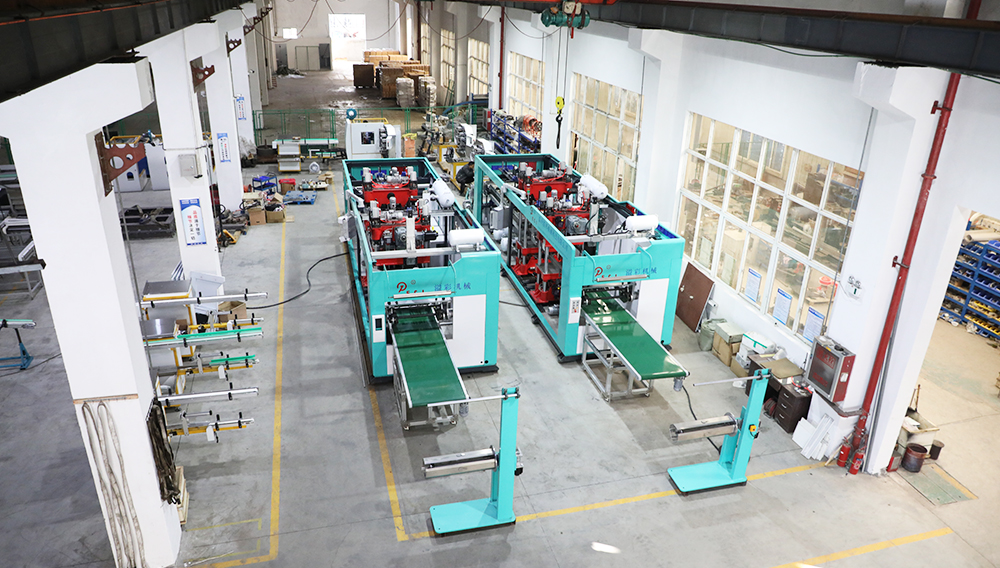
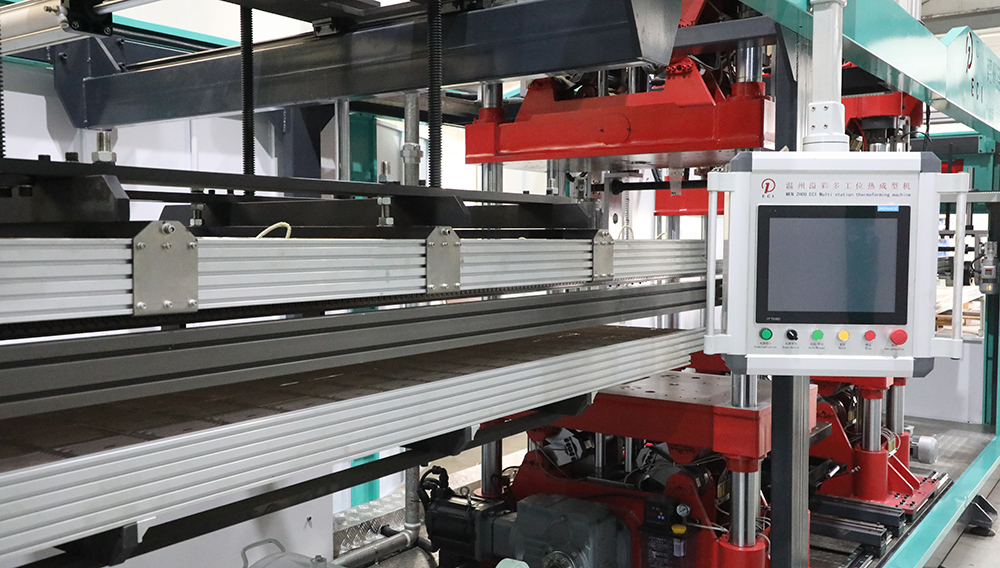
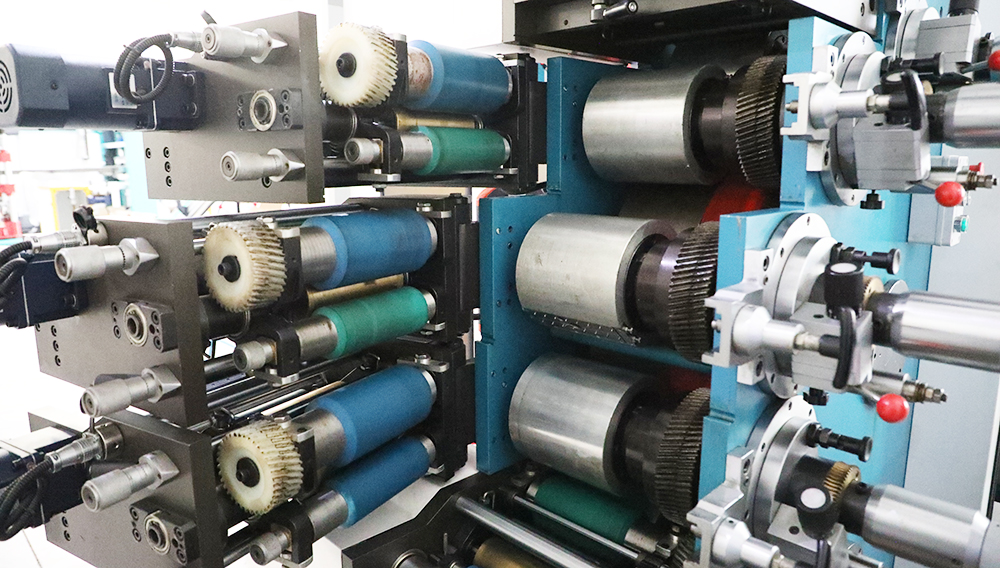
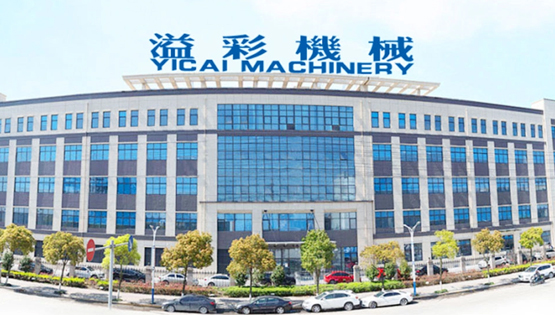
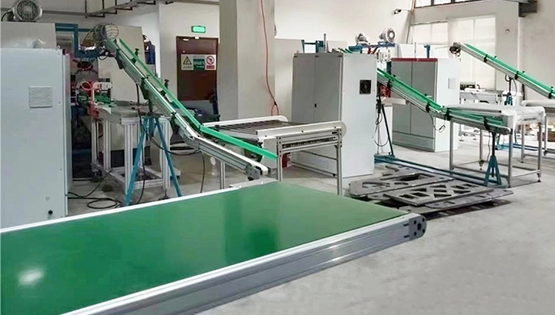
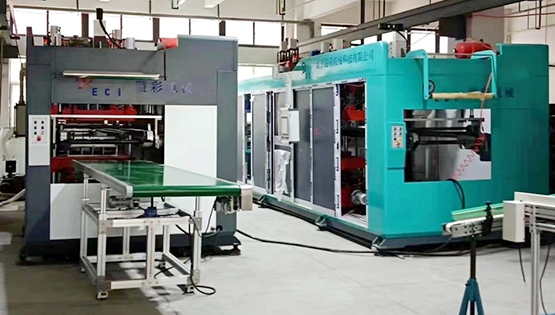
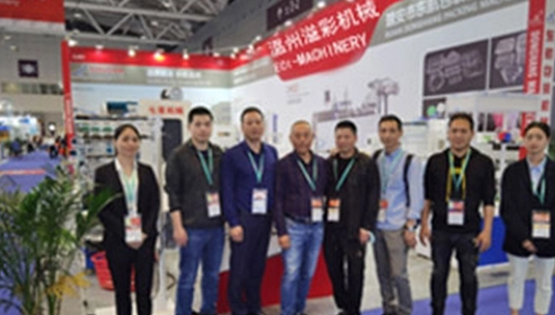
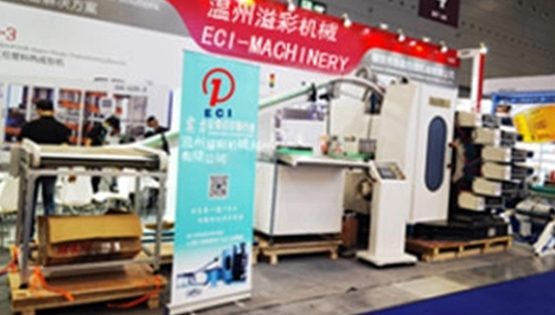
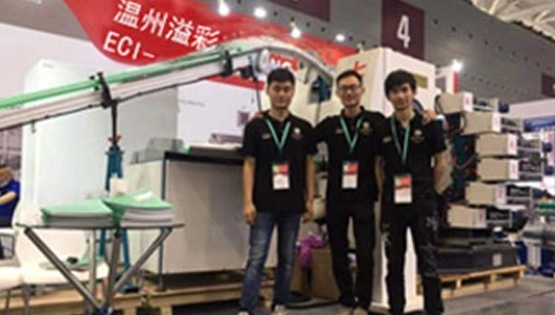
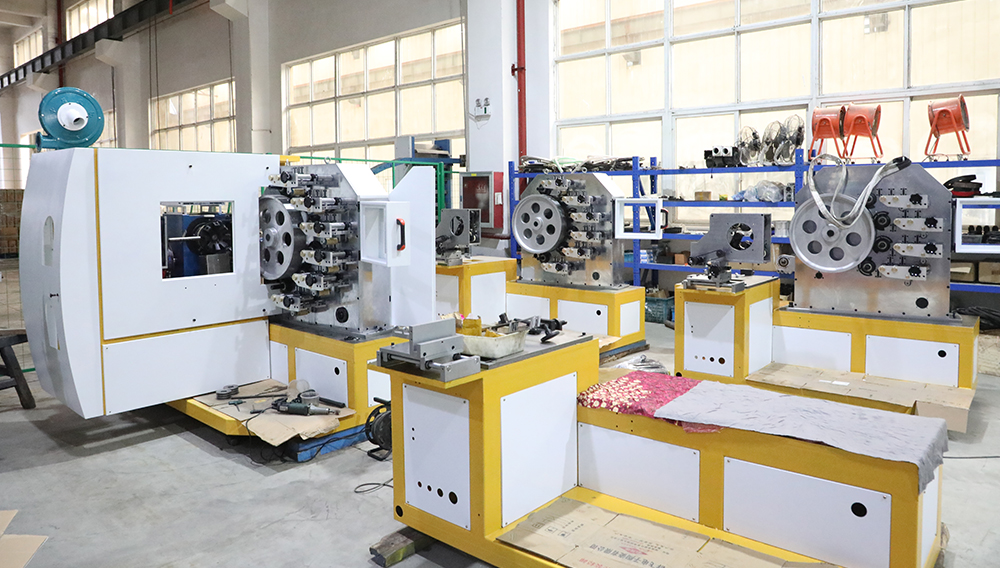
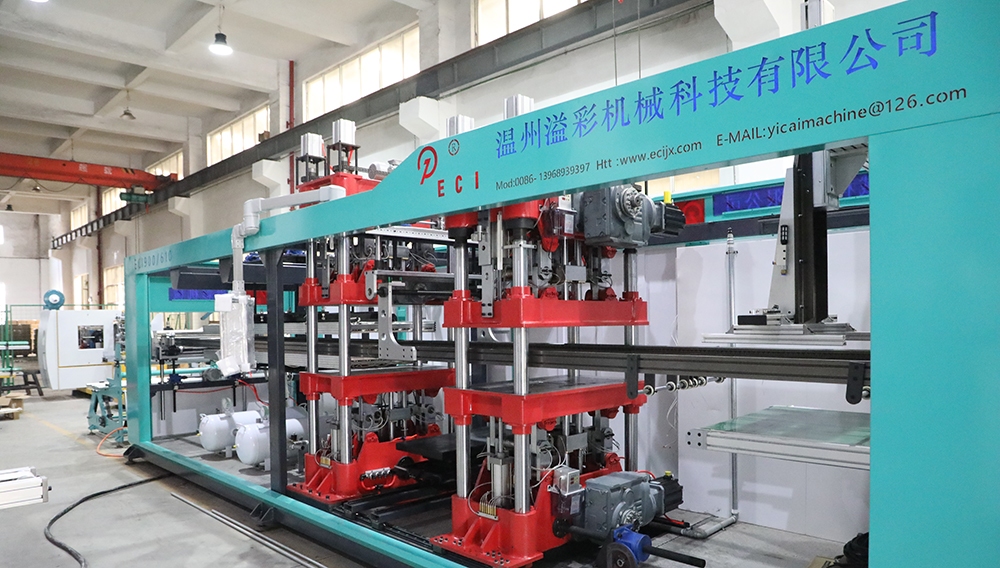
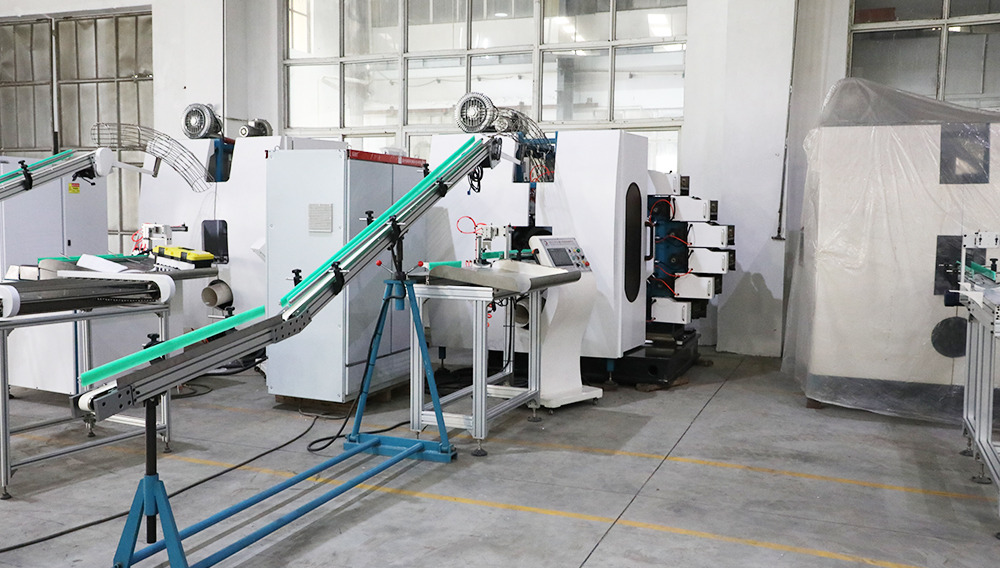
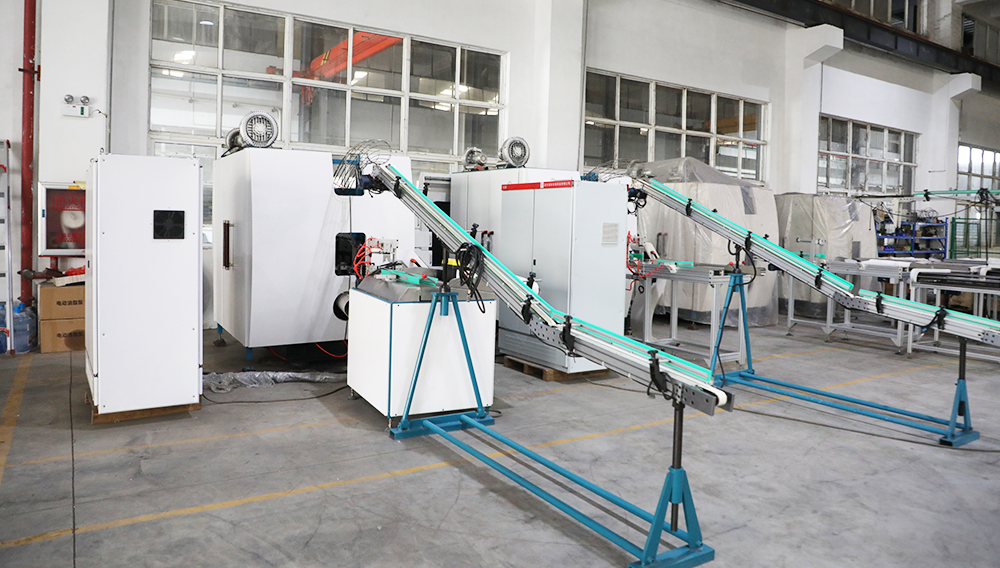
Exploring our specialty machinery designed to produce, decorate, and package disposable food-grade boxes and cups.
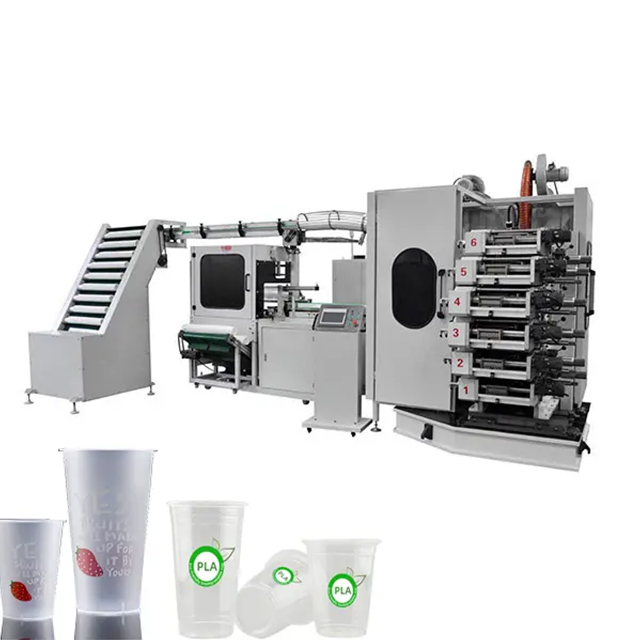
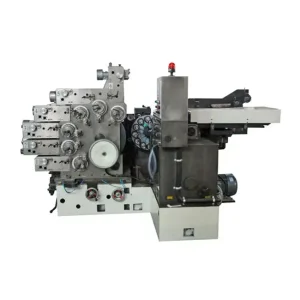
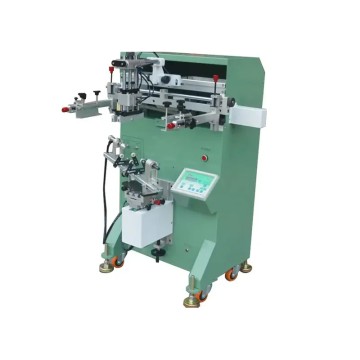
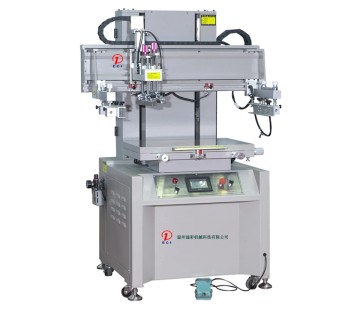
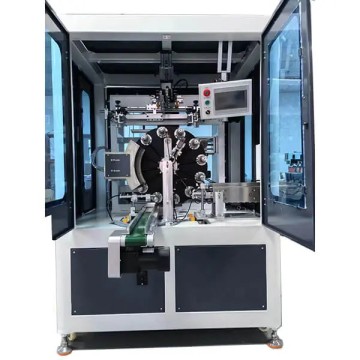
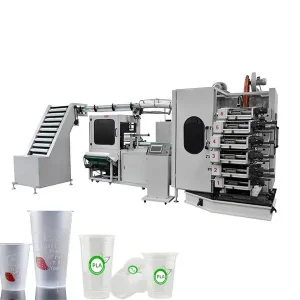
Ideal for round yogurt cups, juice container branding, and multi-color logo printing.
Learn More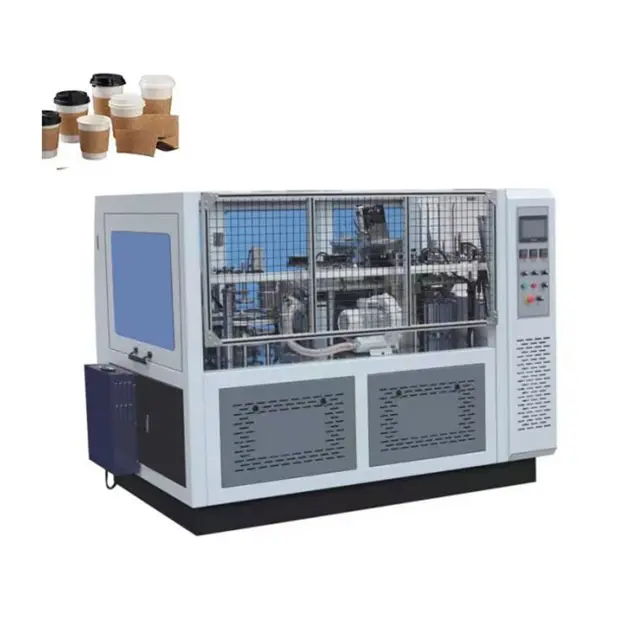
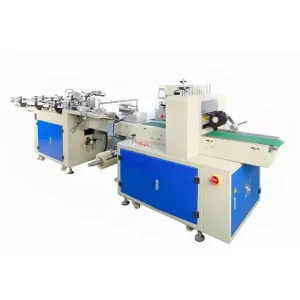
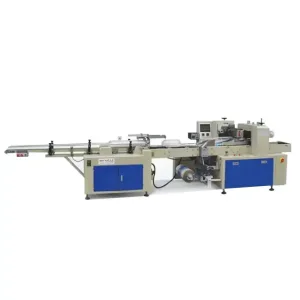
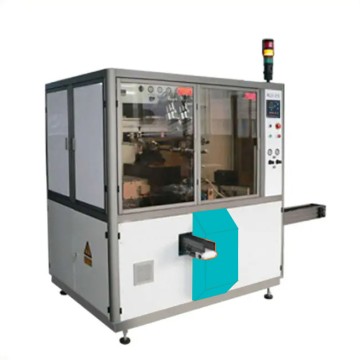
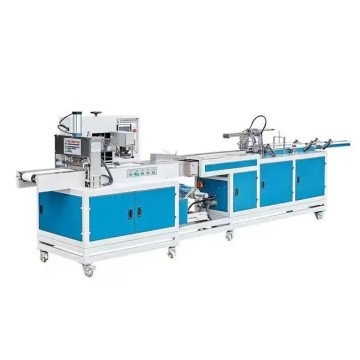
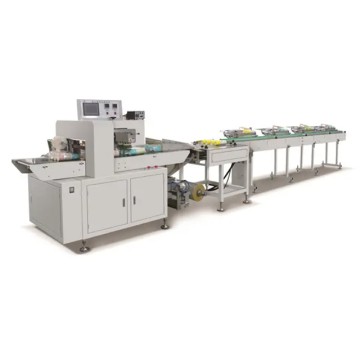
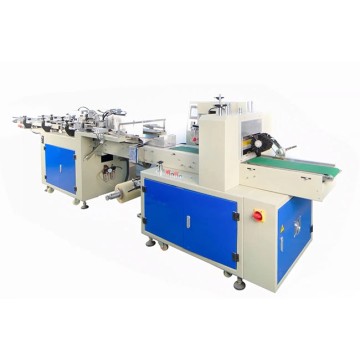
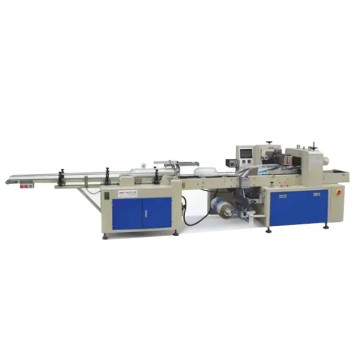
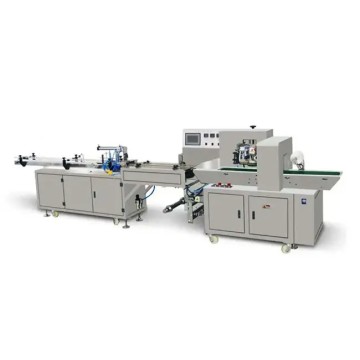
Synchronous counting and nesting packaging systems to automate shipping preparation.
Learn More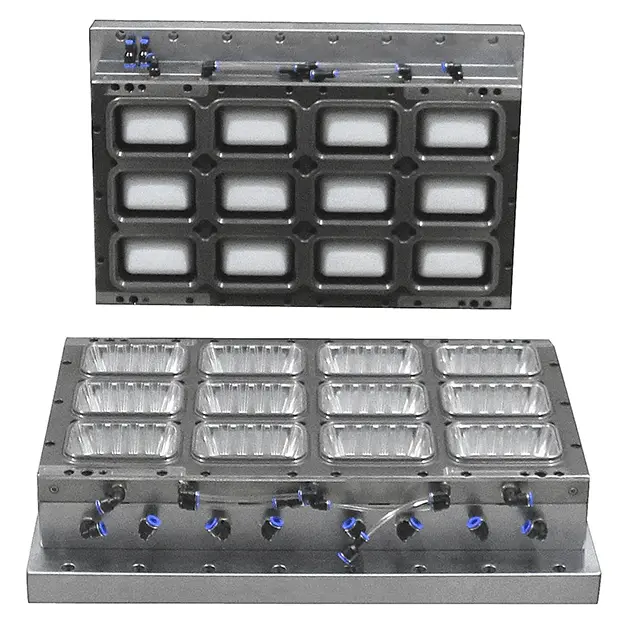
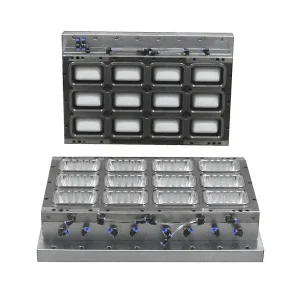
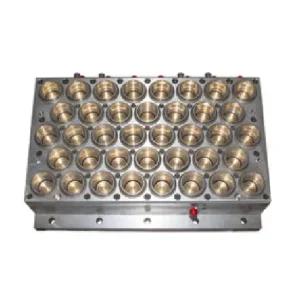
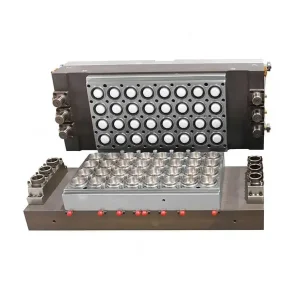
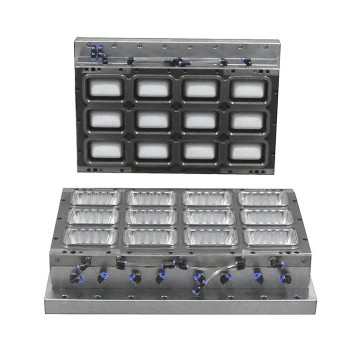
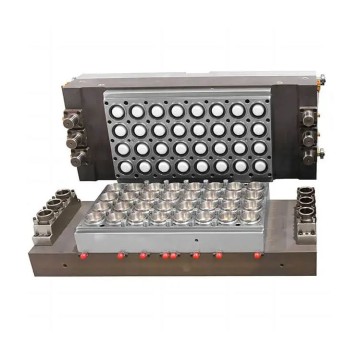
Advanced CNC tooling molds featuring water cooling pathways and customized configurations.
Learn More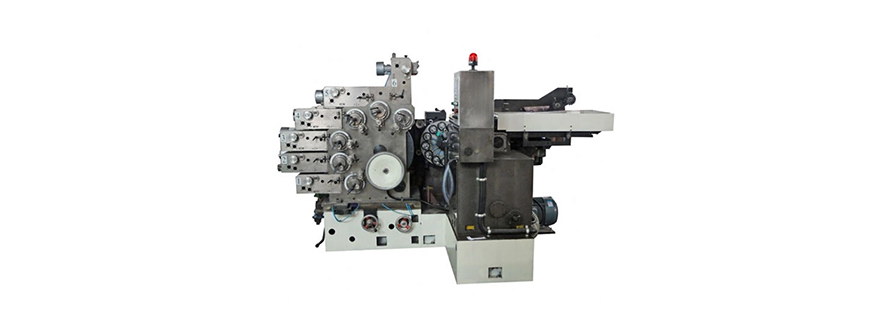
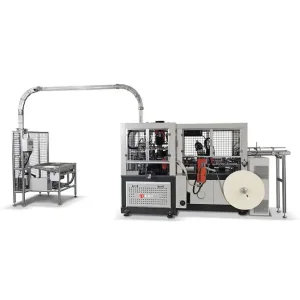
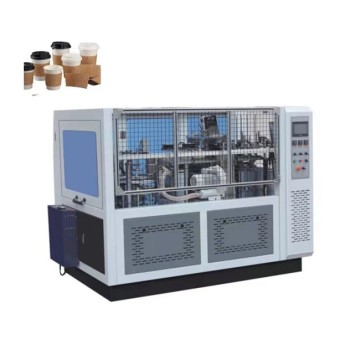
Combined forming, cutting, and stacking stations within a single, high-speed unit.
Learn More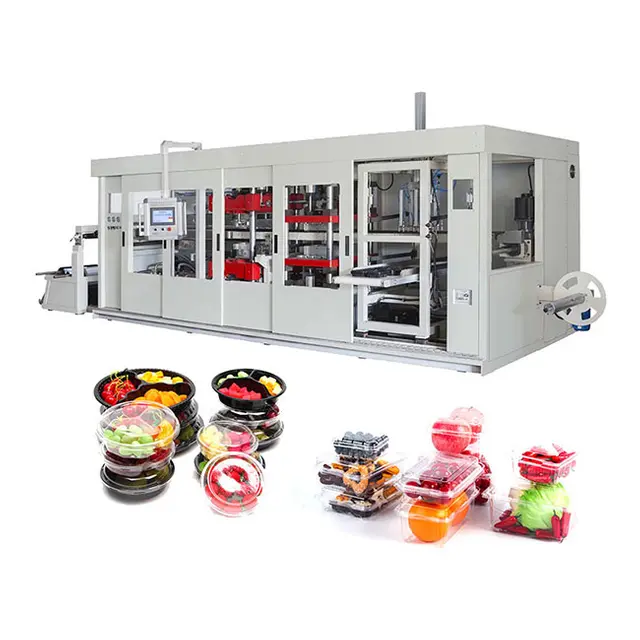
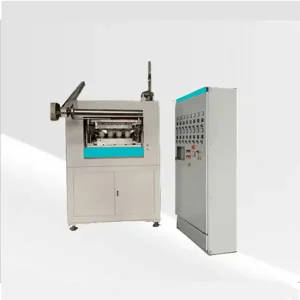
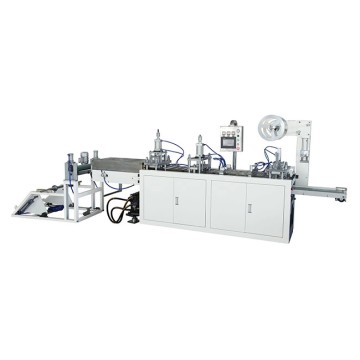
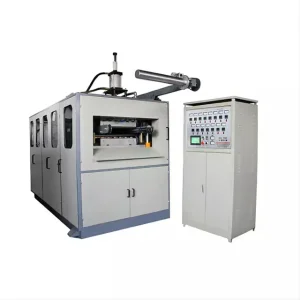
Cost-efficient, robust plastic sheet heating and vacuum forming for high-volume jobs.
Learn More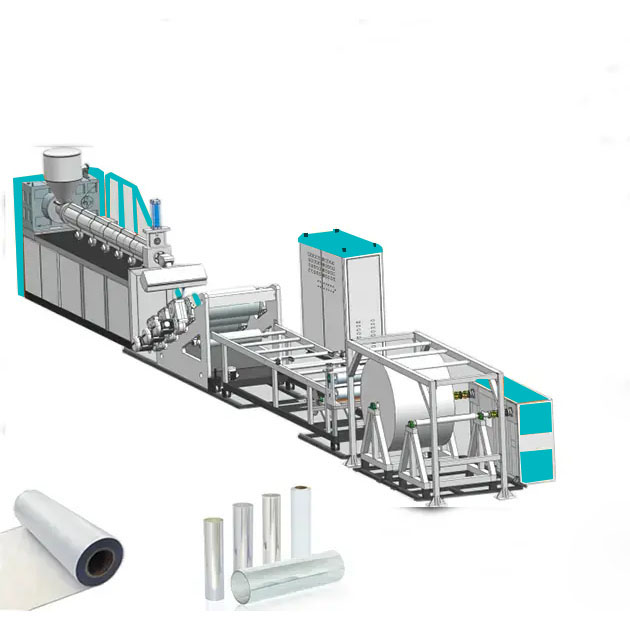
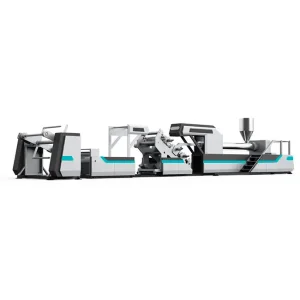
High-output extruders converting raw resin beads to consistent-thickness rolling stock.
Learn MoreEnsuring production stability, customization precision, and logistics consistency for clients worldwide.

Our quality assurance program starts at raw metal inspection and extends to finished machinery test runs. We verify tolerances and thermal heating zones to ensure the equipment operates flawlessly before leaving the factory.

We work closely with client engineering departments, adapting motor drive configurations, cavity spacing, and custom print roller heights to match production floor requirements.

We track project milestones closely, keeping clients updated from machining and structural assembly to shipping configurations, ensuring machinery arrives on schedule.
Explore our machinery categories, covering thermoforming systems, extrusion lines, offset printers, packing setups, and molds.
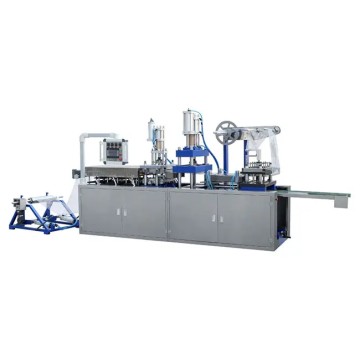
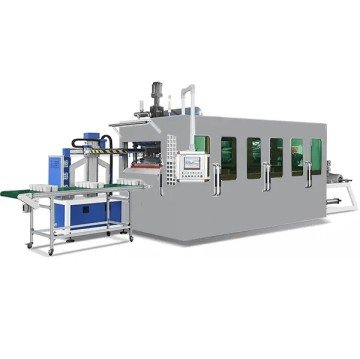
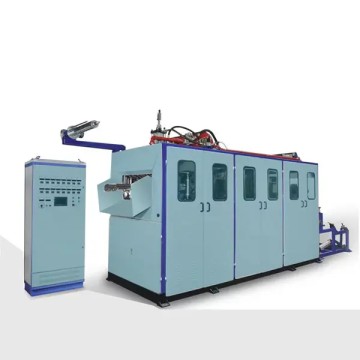
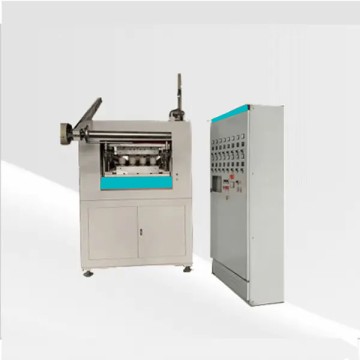
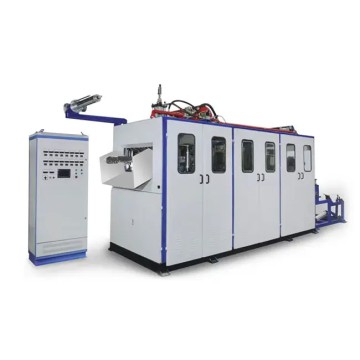
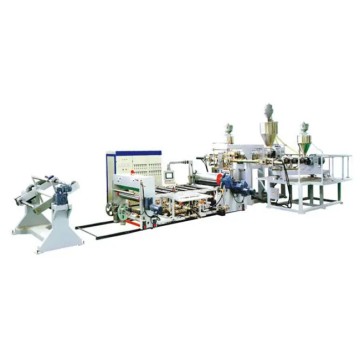
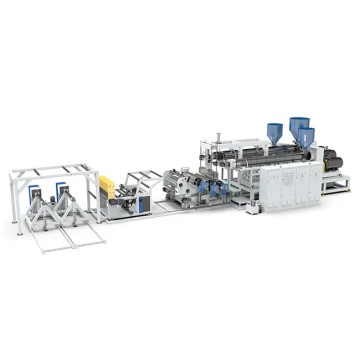
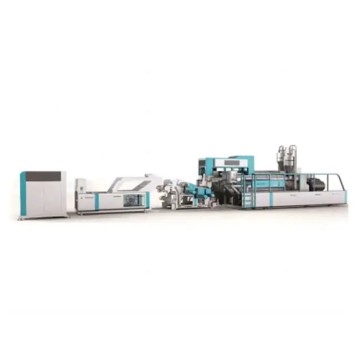
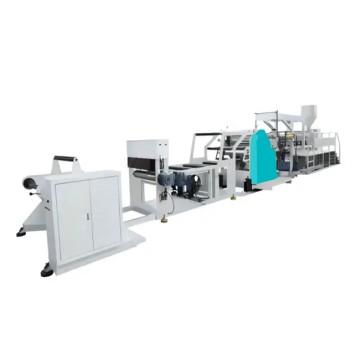
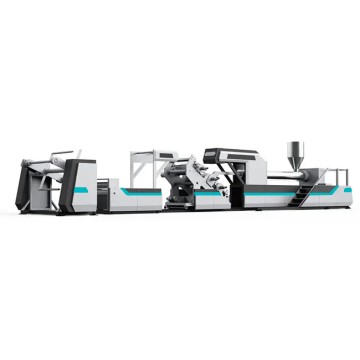
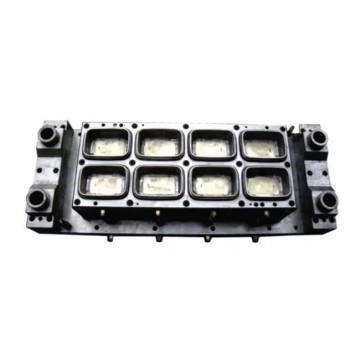
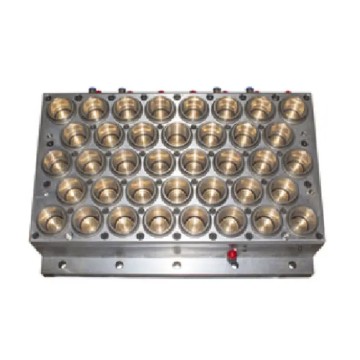
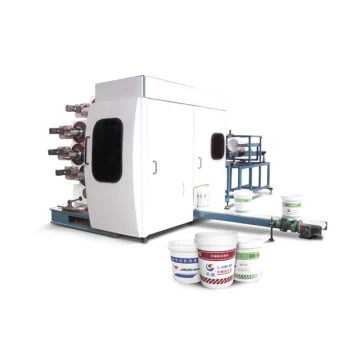
The core efficiency of wholesale disposable packing box production hinges on two critical stages: plastic sheet extrusion and thermoforming tooling physics. Achieving a uniform wall thickness in deep-draw food trays, lunch boxes, and beverage lids requires precision heat distribution and fast cycle times. Wenzhou Yicai Machinery integrates PLC-controlled heating zones using ceramic infrared heaters, allowing engineers to program precise heating curves matching the specific melt flow index (MFI) of the raw polymer sheet.
When forming deep containers (such as tall milkshake cups or multi-compartment lunch boxes), simple vacuum forming often leads to thin corners and structurally weak bases. To resolve this, our thermoforming machines employ servo-driven plug-assist technology:
Modern food safety directives demand packaging that extends shelf life. Single-layer plastic sheets often fail to prevent oxygen permeation. By utilizing Multi-Layer Co-Extruded Sheet Machines, manufacturers can combine different polymers into a single sheet:
Example Structure: PP (Inner Food Contact) / EVOH (Oxygen Barrier Layer) / Tie Layer / PP (Outer Recycled/Regrind Layer). This co-extrusion process minimizes raw resin costs by incorporating up to 50% clean plant regrind material into the middle layers without compromising food safety standards.
The manufacturing sector is facing rising labor and energy costs. The future of disposable packing box production relies on three key trends:
Providing specialized machinery configurations tailored to food service providers, packaging distributors, and industrial plants.
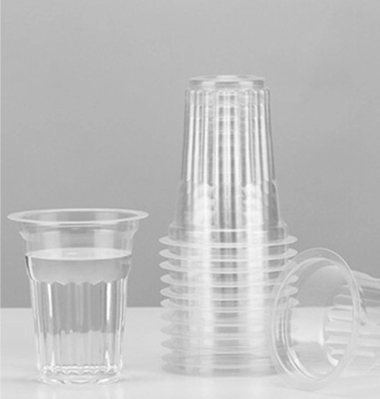
Produced on APET high-speed forming lines for visual clarity in juice and soft drink cups.
Application Details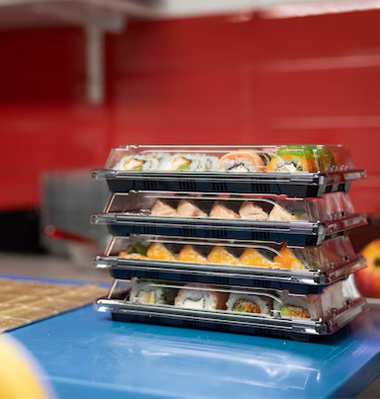
Rigid MAP (Modified Atmosphere Packaging) trays for meat, poultry, and fresh produce preservation.
Application Details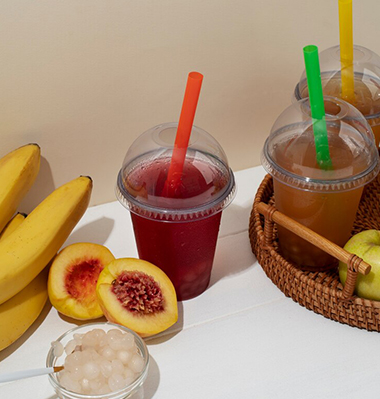
Robust, crack-resistant structures utilizing plug-assist technologies for bottom strength.
Application Details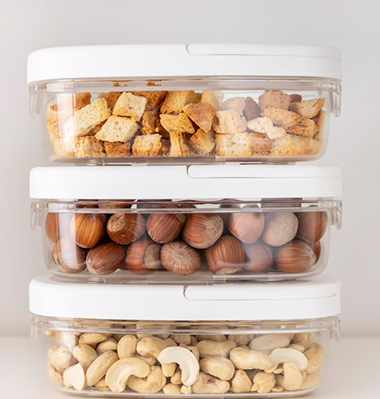
Multi-compartment designs configured for automated retail display packing.
Application Details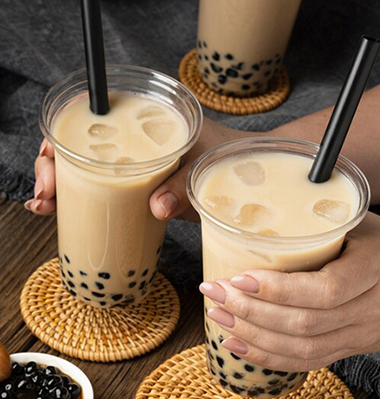
Specially designed for PP film heat-sealing, requiring strict top-rim dimensional tolerances.
Application Details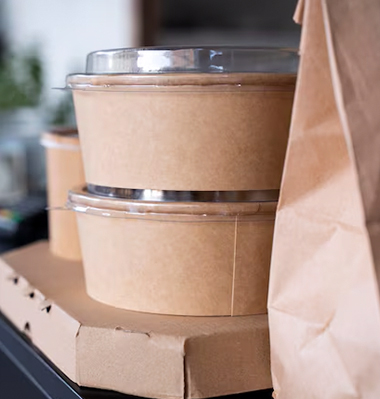
Clamshell take-out containers featuring custom venting slots and integrated lock tabs.
Application Details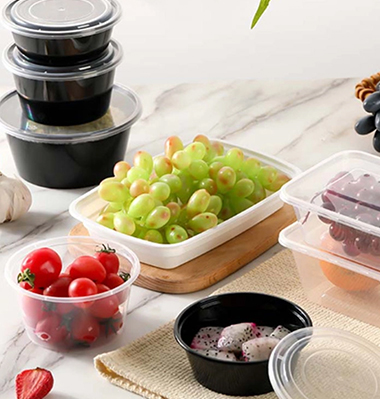
Tamper-evident structural packaging designed for deli items, salads, and snacks.
Application Details
On-site testing configurations ensuring mold tolerances and sheet thickness are calibrated.
Application DetailsAnswering critical technical questions about materials, machinery calibration, and manufacturing efficiency.
Hydraulic machines rely on pressurized oil cylinders to drive mold clamping and plug assists. While they offer high clamping forces at lower upfront costs, they consume more power and carry risk of oil leaks, which is a concern in clean-room food packaging environments. Servo-driven thermoforming systems utilize precise electric servo motors and mechanical linkages. This setup reduces energy consumption by up to 30%, provides millimeter-level stroke control, runs quieter, and eliminates hydraulic oil risk, making it the standard for high-end food-grade factories.
Multi-layer co-extrusion allows factories to feed virgin raw resin (like brand new food-grade PP) to the inner surface contacting food, while utilizing cheaper recycled materials or internal scrap regrind in the middle layers. This sandwich sheet design preserves hygienic safety compliance while reducing average raw material costs by up to 25-40% depending on the layer configurations.
For microwaveable, hot-fill boxes, Polypropylene (PP) is the industry standard due to its high melting point (approx 160°C). For freezer containers or cold storage trays where clarity is key, PET (Polyethylene Terephthalate) or impact-modified PP is preferred, as standard PP can become brittle and fracture at temperatures below 0°C.
Mold lifespan depends on base materials: aircraft-grade aluminum alloy blocks (e.g., Alumold or 7075-T6) combined with hardened tool steel trim dies can yield millions of cycles before requiring maintenance. Container clarity is determined by the polished finish of the mold cavities and the cooling rate. Slow cooling can lead to crystallization in PET, making it cloudy, so rapid, balanced cooling through internal water channels is essential.
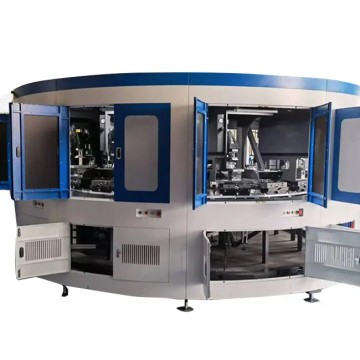
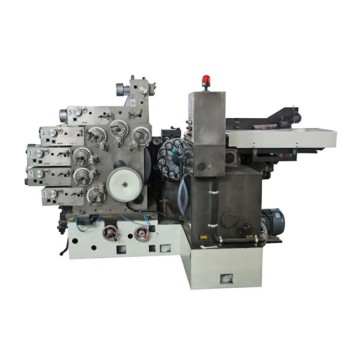
Curved offset printing systems work by transferring ink from multi-color ink fountains to a rotary rubber blanket cylinder. As round cups or buckets are fed into the system, they rotate against the blanket cylinder, printing all colors (up to 6 or 8) in a single pass. This achieves speeds of up to 400 pieces per minute, far exceeding screen-printing outputs.
Discover high-capacity, multi-material extrusion machinery, curved offsets, and single-row cup packaging systems.
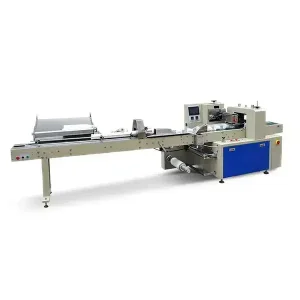
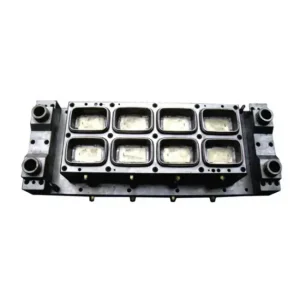
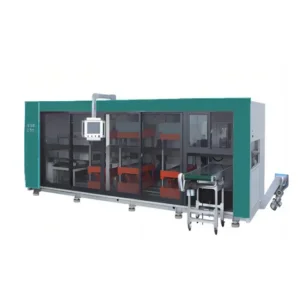
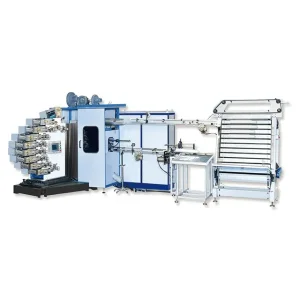
Wenzhou Yicai Machinery Technology Co., LTD. provides more than just equipment. We deliver complete, turn-key manufacturing configurations designed to help factories achieve production stability. Whether setting up a new facility in Southeast Asia, expanding production in South America, or upgrading lines to comply with strict EU safety standards, our engineering team manages the process from plant layout design to installation support.
Before shipment, every machinery setup undergoes multi-day verification test runs. This process checks:
Thermal Stability: Heating elements must hold their set temperature within ±1°C over continuous operation.
Dimensional Compliance: Trim tools are monitored to keep cut edges clean and dimensions accurate to within 0.1mm.
Integration Performance: Confirming smooth operation between downstream automated packagers and printing presses to prevent bottlenecks.
As the food packaging industry moves toward reducing plastic waste, our R&D focus is on helping factories adapt to sustainable resins like PLA. Our extruders and thermoforming molds feature design adjustments that allow quick changes between processing PP, PET, and PLA sheets, giving clients flexibility to meet evolving environmental regulations.
Speak with our technical consultants to discuss your plant setup, custom mold designs, or equipment pricing.
101, Unit 1, Building 20, Zilai Industrial Park, Wanquan Town, Pingyang County, Wenzhou City, Zhejiang Province, China
 Yicai Machinery