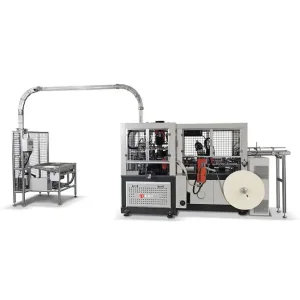
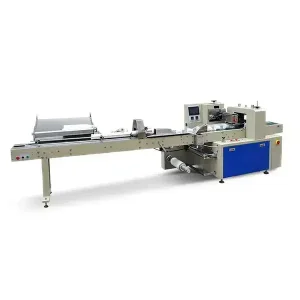
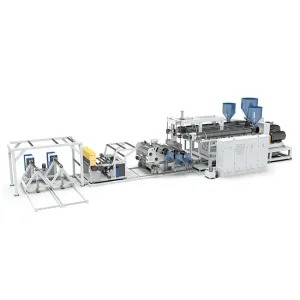
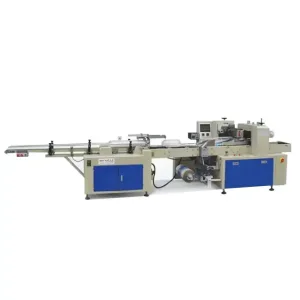
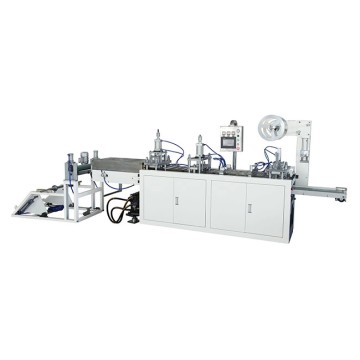
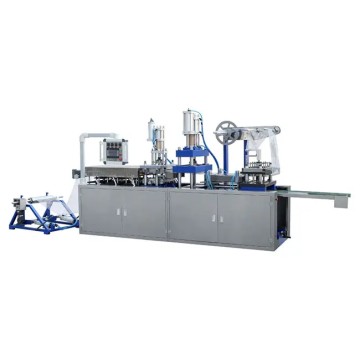
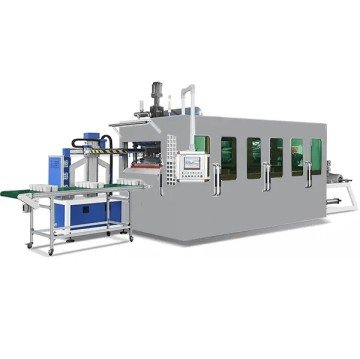
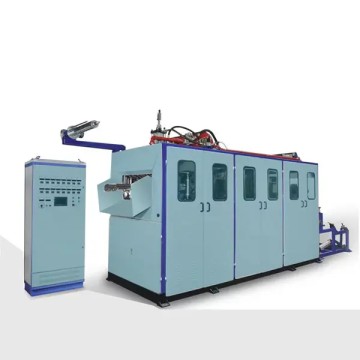
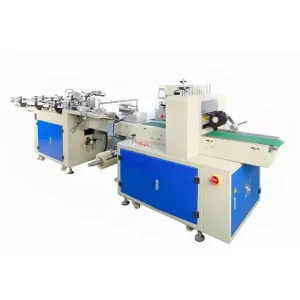
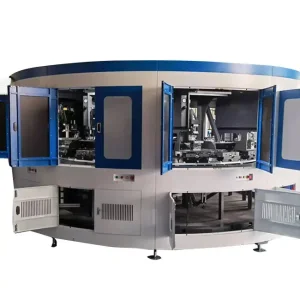
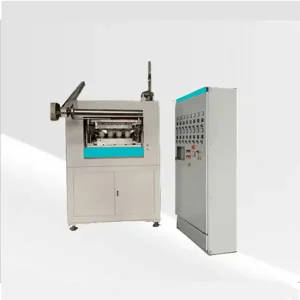
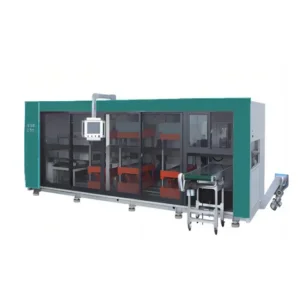
Advanced machinery manufactured under strict CE directives, catering to packaging, medical, and food storage industries worldwide.
Unifying mechanical engineering excellence with pioneering control systems to drive efficiency in global thermoforming markets.
The machinery industry is a foundational manufacturing domain characterized by rapid technical integration and strict reliability constraints. Today's industrial environment demands substantial technological expertise, covering precision mechanical design, thermal control processes, fluid dynamics, and complex automation systems. Modern manufacturing facilities face multi-layered challenges, including the processing and welding of specialty alloys, assembly tolerances measured in microns, and the installation of closed-loop electronics. In addition, global legislative directives mandate strict compliance with environmental protection, energy-saving operational schemes, and workplace safety guidelines.
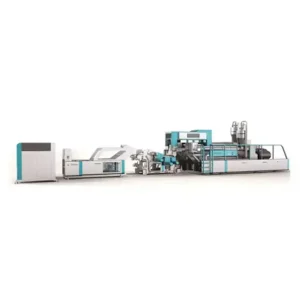
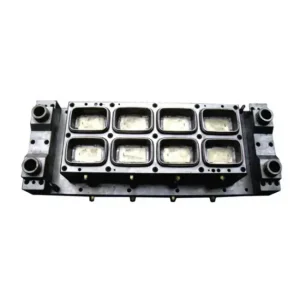
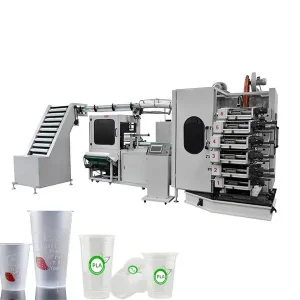
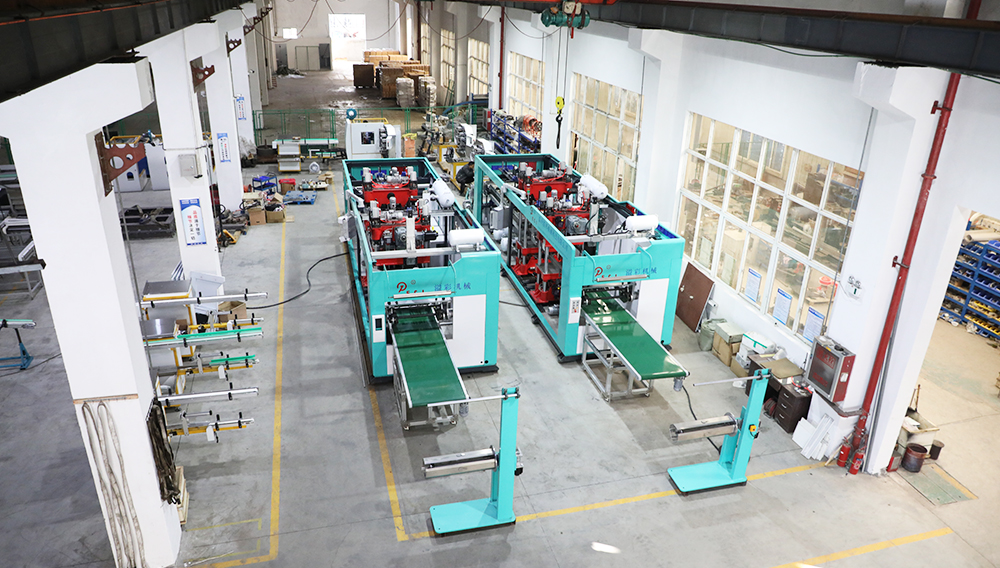
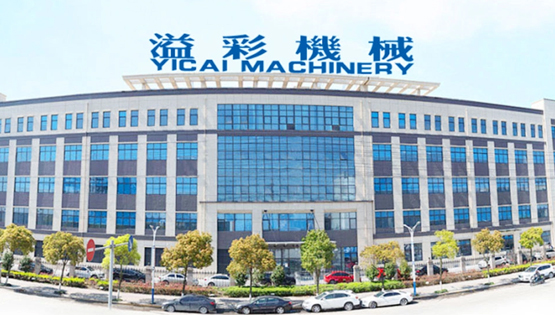
Wenzhou Yicai Machinery Technology Co., LTD. (formerly known as "Ruian Seven Star Machinery") has led the plastic sheet manufacturing sector by developing complete lines that integrate extrusion, thermoforming, container printing, and automatic packaging. Strategically located in the coastal manufacturing hub of Zhejiang Province, East China, our operations leverage regional raw material ecosystems, precision part makers, and logistics networks to ship high-performance equipment to food packaging, pharmaceutical, and consumer goods manufacturers globally.
We configure extrusion screw geometry, die lips, roll stacks, and machine cosmetics to fit plant-specific footprints, polymer requirements, and production layouts.
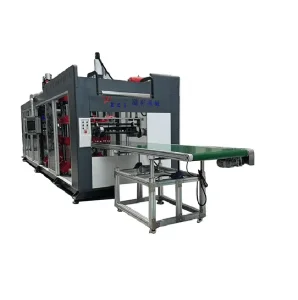
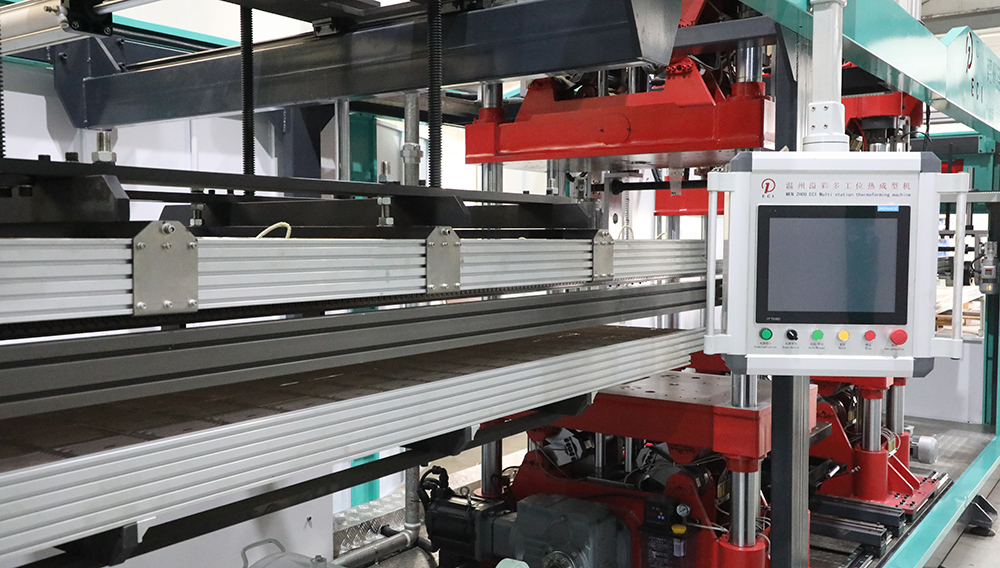
Our engineering team transitions mechanical systems from manual adjustments to fully automated, PLC-guided thermoforming and extrusion lines.
We source critical components—including heating elements, extrusion dies, and servo drives—from top global brands to minimize machine downtime.
We conduct material yield analyses, cycle-time calculations, and factory layout drafting prior to machine construction to help verify project feasibility.
Serving buyers across Europe, the Americas, the Middle East, and Southeast Asia. We construct our systems to conform to standard regional trade protocols.
Our engineers specialize in structural design, automation, metallurgy, and polymer processing to help resolve production line issues.
Analyzing key design parameters, multi-layer co-extrusion technology, and next-generation control systems.
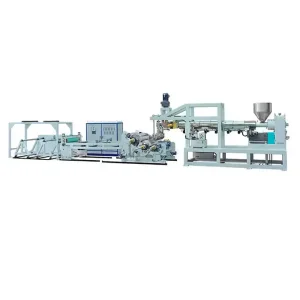
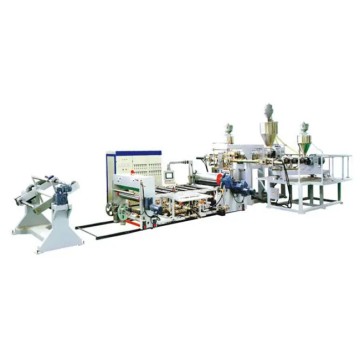
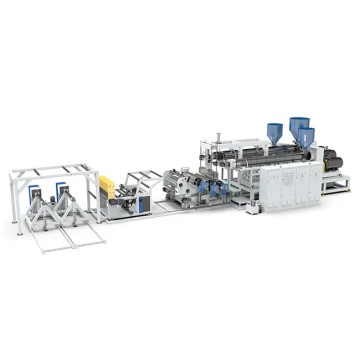
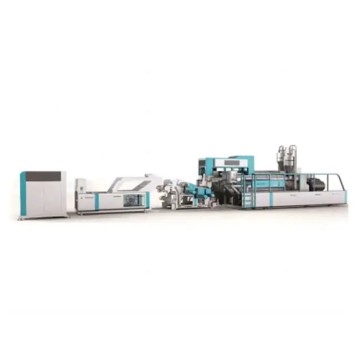
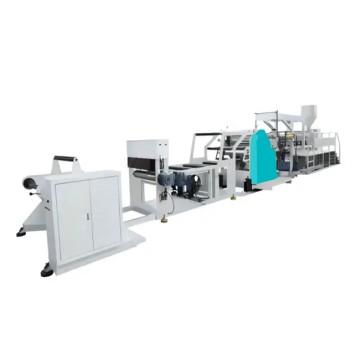
Industrial plastic sheet extrusion has evolved from basic single-layer processing to multi-layer co-extrusion. Modern sheet manufacturing lines must process diverse thermoplastic resins—such as PP, PS, PET, PE, and PLA—while maintaining consistent thickness and structural integrity. A high-quality sheet extrusion line relies on three primary components: the screw and barrel design, the T-die layout, and the calendar roll stack.
The extruder's screw geometry directly impacts polymer melting, shear rates, and output consistency. Standard machinery uses single screw configurations with L/D (length-to-diameter) ratios of 30:1 or 33:1. These ratios provide sufficient residence time for proper melting and mixing. For recycled polymers and engineering resins, barrier screws with mixing elements (such as Maddock or pineapple mixers) are used to improve temperature uniformity and prevent unmelted resin from entering the die.
In food packaging, multi-layer sheet structures (such as ABA, ABC, or barrier layers containing EVOH/tie resins) are common. Combining these layers requires a precision feedblock that merges different polymer streams while maintaining laminations. Advanced co-extrusion feedblocks allow on-the-fly adjustment of layer ratios, ensuring optimal barrier performance with minimal use of expensive raw materials.
"To minimize raw material costs, modern manufacturers use ABA sheet structures, where the center 'B' layer contains up to 70% recycled regrind or calcium carbonate fillers, while the outer 'A' layers use virgin resin to maintain surface aesthetics and food-contact compliance."
Next-generation sheet lines feature closed-loop thickness control. Scanning sensors (utilizing beta, gamma, or optical technologies) measure sheet thickness across the width. This data is fed back to an automatic T-die with thermal expansion bolts. If a section is out of tolerance, targeted heating changes the die lip gap to correct the variation. This control loop helps minimize material waste during start-ups and long runs.
How Wenzhou Yicai Machinery leverages coastal industrial clusters to optimize costs and machine reliability.
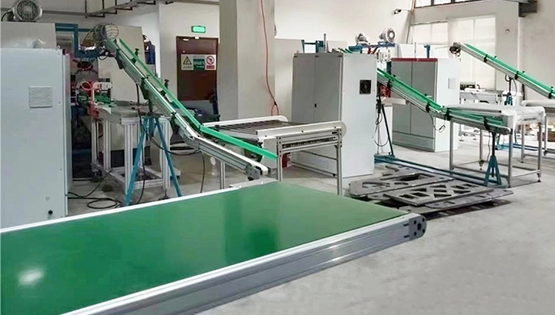
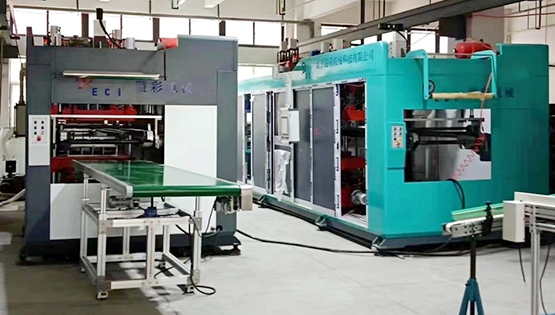
The Wenzhou and Ruian industrial regions in Zhejiang represent one of the world's most concentrated clusters for mechanical engineering and automation components. By leveraging this manufacturing ecosystem, we secure high-grade raw steels, specialized thermal treatment services, and top-tier electronics components with minimal lead times. This integrated network helps optimize production costs, improve quality, and ensure timely delivery of custom orders.
Our manufacturing practices combine local components with globally recognized parts. Our engineering standards rely on a balanced supply chain architecture: for core structural elements (like machine bases, calender frames, and support columns), we use local heavy steel plate fabrication and stress-relieved machining. For precision control, we use international components like Siemens PLCs, Omron temperature controllers, ABB inverters, and NSK bearings. This dual-source approach offers reliable performance at competitive price points.
Our quality assurance system monitors the production process from raw material inspection and ultrasonic steel testing to final hot-testing and calibration of the extrusion die.
We tailor auxiliary equipment like gravimetric dosing systems, corona treaters, de-nesting coaters, and automated inline trim winders to match specific production goals.
We provide remote PLC diagnostics to help minimize operational downtime. Modems integrated into our panels allow off-site troubleshooting of key machine parameters.
Comprehensive system solutions from raw material preparation to thermoforming and final packaging.
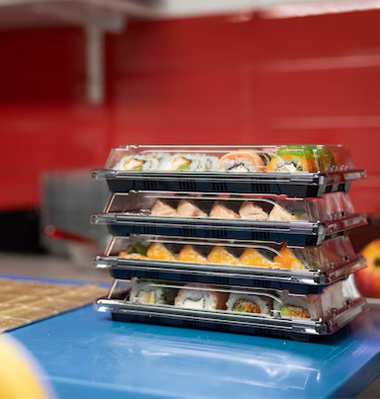
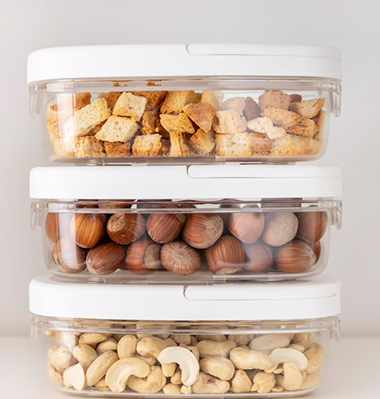
Our extrusion and thermoforming machinery outputs sheets used across various consumer and medical packaging applications.


Key technical criteria B2B buyers use to evaluate potential machine suppliers.
B2B buyers procurement of extrusion machinery typically involves evaluating several technical metrics. Modern factories prioritize systems that balance throughput, energy efficiency, and high yield. Below is an overview of the key evaluation criteria used by global procurement teams:
Procurement teams evaluate line performance based on hourly throughput (kg/h). A standard production line should achieve between 300 kg/h and 600 kg/h for a 900mm wide sheet at 1mm thickness. This target requires an optimized combination of motor power, barrel heating capacity, and winding roll cooling efficiency.
Given rising energy costs, modern factory inspections track the Specific Energy Consumption (SEC) rating. The SEC rating measures the electrical power required to process one kilogram of polymer (kWh/kg). Leading manufacturers use AC variable frequency motors and induction barrel heaters to keep the SEC below 0.30 kWh/kg.
For downstream thermoforming, maintaining consistent sheet thickness is critical. Standard systems aim for a thickness deviation of less than ±3% across the entire width of the web. Precise control helps prevent thin spots during forming, which is particularly important for high-depth containers.
Technical answers to common questions about operation, maintenance, and material processing.
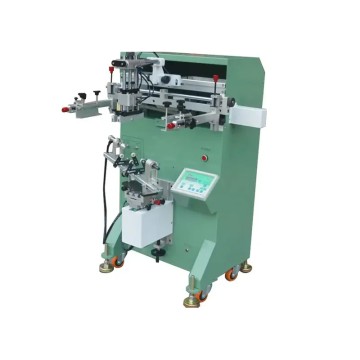
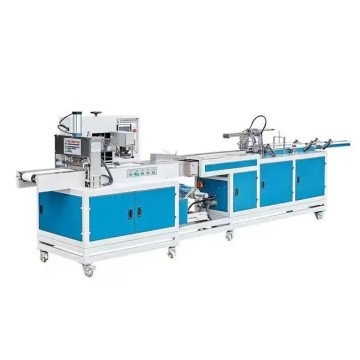
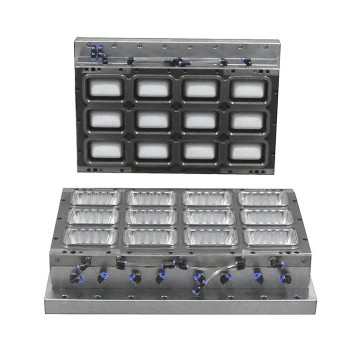
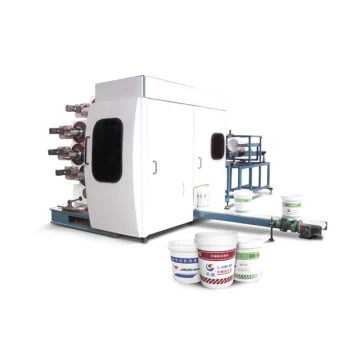
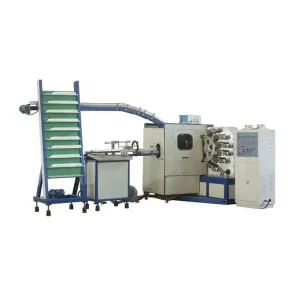
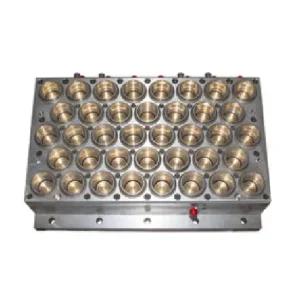
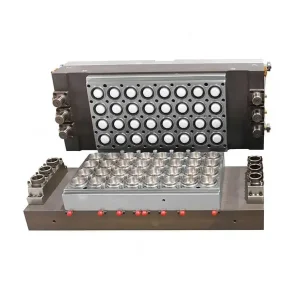
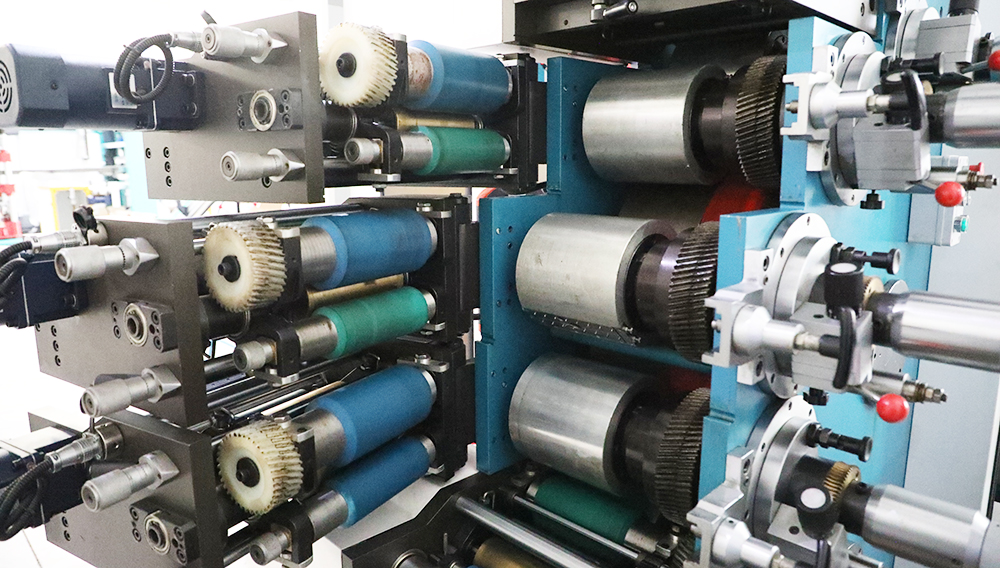
Downstream auxiliary systems, printing units, packaging lines, and tooling options.
Request detailed machine schematics, processing guidelines, or custom project estimates from our engineering team.
101, Unit 1, Building 20, Zilai Industrial Park, Wanquan Town, Pingyang County, Wenzhou City, Zhejiang Province, China
As an engineering firm specializing in thermoforming machinery, sheet extrusion lines, and container offset printing equipment, we provide production solutions tailored to your operational needs. Our technical team works with you from initial design through to final installation.
Global Response Team
Our technicians provide consultation, layout planning, and quoting services.
 Yicai Machinery