Explore our heavy-duty engineering solutions built for high scalability, energy efficiency, and operational excellence.
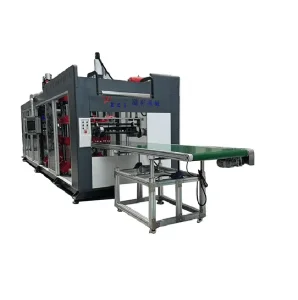
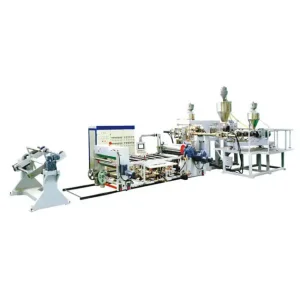
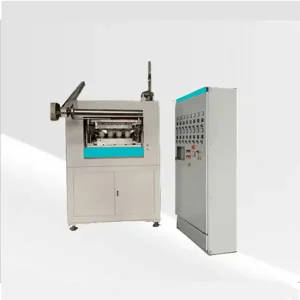
In-depth technical insight into polymer rheology, co-extrusion technology, and global sustainable manufacturing.
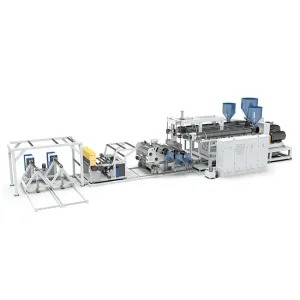
The global thermoformed packaging sector demands highly specialized raw material properties that a single-polymer structure can no longer satisfy. Today's plastic sheet extrusion machines are heavily reliant on multi-layer co-extrusion technologies (typically 3 to 7 layers) to design composite sheets. Multi-layer configuration (such as ABA, ABCBA, or asymmetric barriers) allows raw material optimization. Highly technical food-contact packaging requires mechanical stiffness from virgin polypropylene (PP) or PET on outer layers, while incorporating high levels of recycled post-consumer resin (PCR) or cost-effective calcium carbonate fillers in core layers. Advanced extrusion design leverages complex co-extrusion feedblocks to distribute polymer melt flow, ensuring uniform thickness stability across the entire die lip width.
Choosing the correct extrusion process dictates production cost, output rate, and material consistency. Wenzhou Yicai Machinery Technology Co., LTD. engineers state-of-the-art screw designs optimizing L/D (length-to-diameter) ratios (typically 30:1 to 33:1) to handle complex shear rates for PP, PS, PET, and bio-plastics like PLA. While single-screw extruders offer exceptional stability for single-resin profiles, multi-material processing frequently leverages advanced barrier screw designs or co-rotating twin-screw units. Twin-screw designs excel in dispersing fillers, color masterbatches, and processing heat-sensitive materials with minimized thermal degradation. The process stability is further augmented by gravimetric dosing feeders and closed-loop melt pump control systems to eliminate micro-fluctuations in throughput.
Modern regulatory environments, including strict packaging directives in Europe and North America, mandate a fast shift toward bio-based or recycled polymers. Extracting high-performance sheets from Recycled Polyethylene Terephthalate (rPET) or Polylactic Acid (PLA) demands dedicated dehumidifying crystallization systems and precise vacuum venting systems directly integrated into the extruder barrel. Moisture contamination in PET or PLA leads to hydrolytic degradation of polymer chains, reducing intrinsic viscosity (IV) and weakening the final thermoformed cup or lid. The integration of high-vacuum degassing ports removes low-molecular volatiles and residual moisture, allowing processors to achieve up to 100% rPET utilization without sheet yellowing or loss of mechanical durability.
From Ruian Seven Star Machinery to Wenzhou Yicai Machinery Technology Co., LTD. — Over a decade of heavy industry leadership.
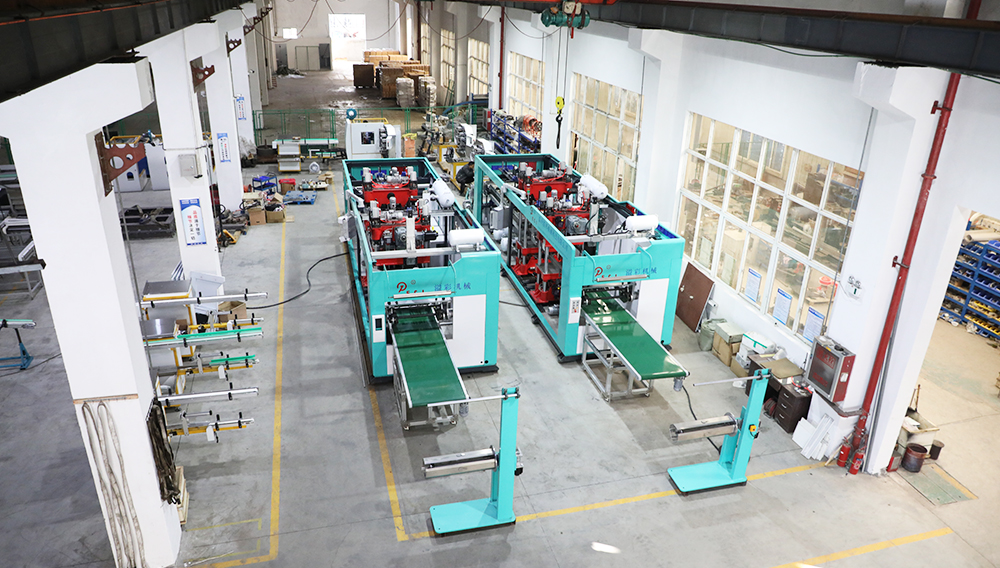
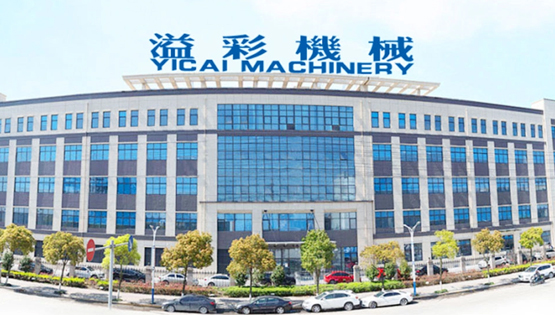
Wenzhou Yicai Machinery Technology Co., LTD. was originally founded in 2010 under the name "Ruian Seven Star Machinery" and rebranded in 2022 to spearhead international expansion. Located in Pingyang County, Wenzhou City, Zhejiang Province, our facility is equipped with automated CNC machinery, assembly bays, and cleanrooms focused on thermoforming systems, printing systems, and plastic sheet co-extrusion technology.
How procurement managers and packaging engineers analyze sheet extrusion configurations to optimize ROI.
For modern thermoformers, sheet thickness variation directly translates to scrap rate. Our extrusion units incorporate automatic T-dies integrated with online thickness scanning sensors. Using closed-loop control, thermal bolts adjust the die gap dynamically, maintaining thickness tolerances within ±1%.
Procurement teams demand machinery that handles multiple polymers. Modern configurations utilize multi-material barrier screws capable of running PP, PET, PS, and Polylactic Acid (PLA) by adjusting temperature profiles, cooling calendars, and screw rotational speeds.
Energy constitutes a significant portion of sheet production overhead. Standardizing on AC vector-driven motors, energy-saving electromagnetic heaters, and heat recapture systems inside the barrel can reduce power consumption by up to 20-30% compared to legacy setups.
Across emerging markets (Southeast Asia, Latin America, Eastern Europe), procurement structures require localized after-sales ecosystems and seamless integration with thermoforming production lines. To meet this demand, Wenzhou Yicai Machinery aligns extrusion capabilities with thermoforming parameters. This guarantees that parameters like sheet surface tension, silicone oil coating, and roll winding tension are optimized for down-line high-speed thermoforming of cups, food trays, and lids.
A comprehensive system of value delivery, from initial material analysis to worldwide after-sales deployment.
Tailoring extrusion profiles, screw parameters, cooling roller structures, and PLC human-machine interfaces to match specific client resin mixes and factory constraints.
Translating academic polymer technology into production lines, ensuring automatic control and compatibility with next-generation biodegradable polymers.
Integrating durable alloy screws, specialized nitriding treatments, high-efficiency gearboxes, and components from trusted global brands.
Detailed factory space analysis, power load profiles, output optimization models, and feasibility testing before finalizing equipment specifications.
Designing structures and control networks that meet international safety, environmental, and operating standards for smooth local site deployment.
Working with premium global suppliers for mechanical parts, heaters, and electrical systems to minimize delivery lead times and source reliable spares.
Our engineering, manufacturing, and support staff leverage over a decade of mechanical production and automation expertise.
Providing 24/7 technical hotlines, remote system diagnostics via VPN/Ethernet, rapid component dispatch, and hands-on operational training.
Providing custom extrusion systems configured for specific final products and downstream machinery requirements.
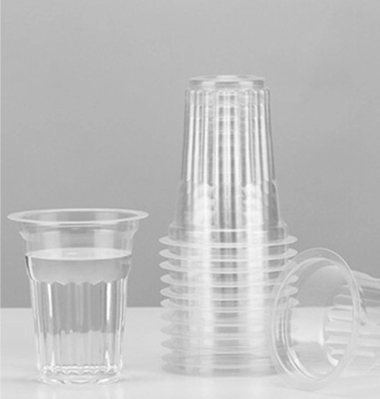
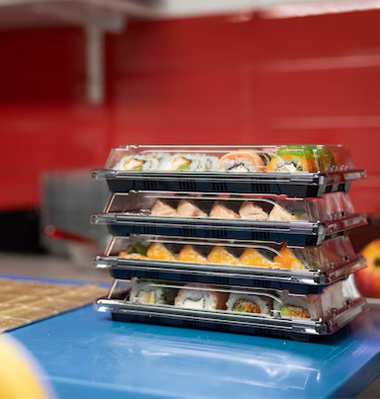
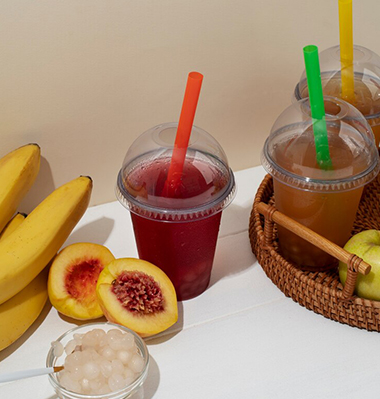
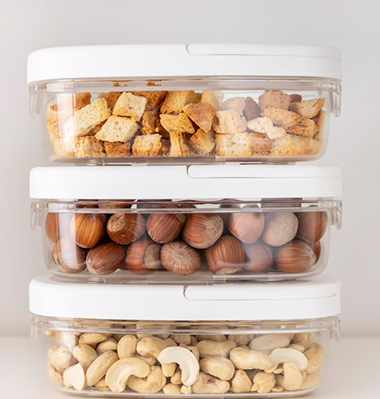
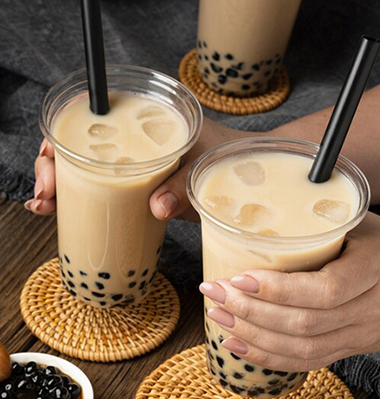

Our R&D direction focusing on manufacturing intelligence, carbon footprint reduction, and polymer flexibility.
Integrating dynamic thickness sensors with auto-regulating T-dies. Advanced software monitors the cooling stack, automatically adjusting thermal bolts inside the die to keep thickness variation within ±0.005mm.
Optimizing soundproof online granulators to automatically feed edge trim back into the extruder core layer. This system maintains sheet stability while helping factories achieve zero-waste production goals.
Refining extruder designs for challenging biopolymers (like high-crystallization PLA and PBS). Focus areas include optimized cooling stacks and specialized screw geometries that prevent polymer shear degradation.
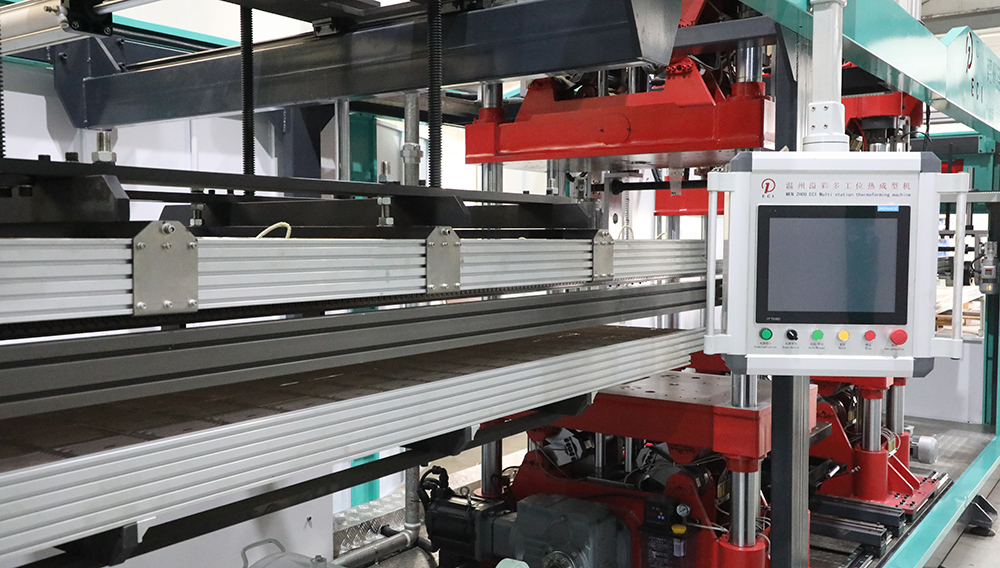
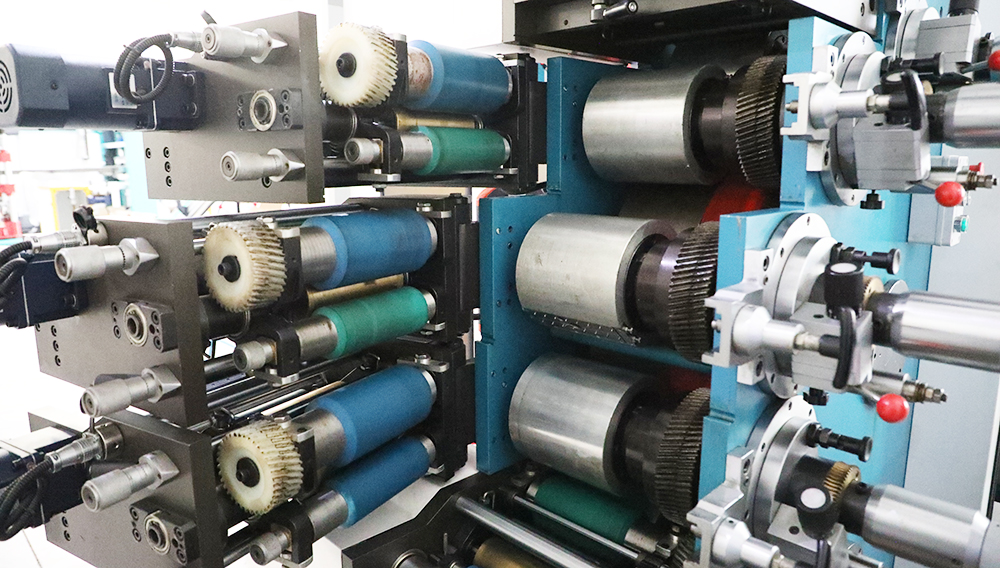
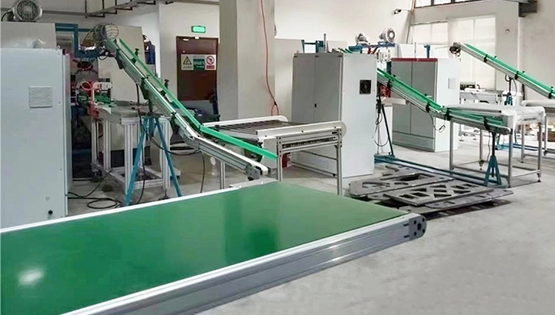
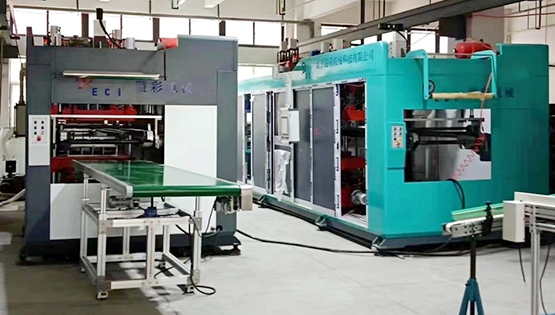
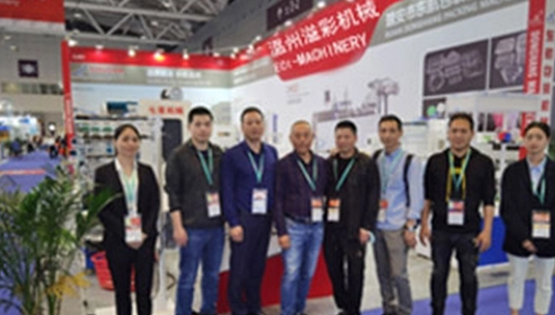
Exploring our fabrication, assembly, and quality control departments in Zhejiang Province.
Detailed design specifications, quality controls, and localized support protocols.
Operating in North America, Europe, or the Asia-Pacific region requires strict alignment with safety and electrical directives. Wenzhou Yicai Machinery constructs all machines to meet European CE standards and integrates UL-compliant electronics when needed. Main safety features include interlocked guards, emergency stops, dual-channel safety loops, and fully enclosed extrusion heads to protect operators during active production runs.
Inconsistent bulk density of recycled materials can cause feed zone starvation or surging, resulting in thickness variation in the extruded sheet. To maintain stability, our systems feature integrated gravimetric batch blenders. These systems continuously weigh and feed virgin resin, masterbatch, process additives, and regrind at precise ratios. Combined with a low-shear, barrier-style feed screw, this design ensures high melt quality and excellent mechanical performance of the extruded sheet.
The surface finish, transparency, and mechanical properties of plastic sheets are established during calendering. Our calender stacks utilize heavy-duty, mirror-polished chrome rollers with internal helical channels for water or oil circulation. Precise temperature control keeps roller surfaces within ±0.5°C of setpoints, preventing thermal shock, surface defects, and internal stresses in PP, PET, and PS sheets.
Answers to common questions from procurement managers and technical buyers about our plastic sheet extrusion systems.
Our extrusion machines are designed with high-flexibility barrier screws that process Polypropylene (PP), Polystyrene (PS), Polyethylene Terephthalate (PET), and Polylactic Acid (PLA) resins. We optimize the screw L/D ratio and temperature control systems to suit your specific material mix and downstream thermoforming requirements.
Our T-dies feature integrated thickness scanners. If the scanner detects a gauge variation, it dynamically adjusts the internal thermal bolts within the die, ensuring uniform sheet thickness. This helps maintain consistent sheet quality and minimizes raw material scrap during thermoforming.
Yes. By incorporating advanced multi-layer feedblocks, you can run high percentages of post-consumer recycled (PCR) or industrial regrind in the sheet's core layer, while keeping virgin resin on the outer layers to meet food-contact safety standards.
We install remote diagnostic systems on our machine PLCs. With an internet connection, our engineers in China can troubleshoot software issues, update configurations, and identify mechanical issues. For hands-on maintenance, we coordinate dispatch of local technicians or fly in service crews to minimize downtime.
PET requires thorough pre-drying and crystallization to prevent hydrolytic degradation, whereas PP is non-hygroscopic but exhibits high thermal shrinkage. Our multi-purpose lines use specialized screw geometries and dynamic cooling profiles to manage these differing material behaviors on a single line.
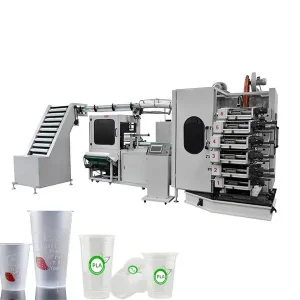
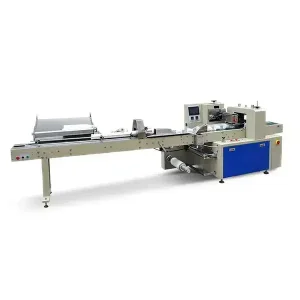
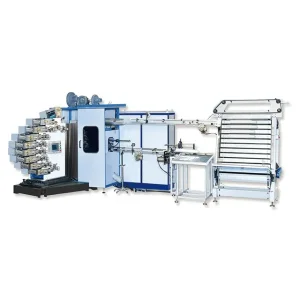
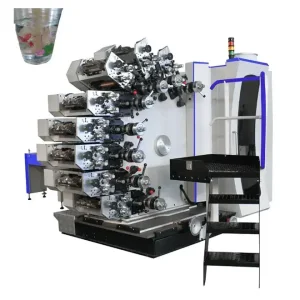
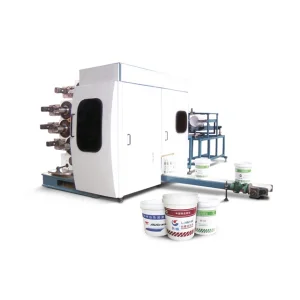
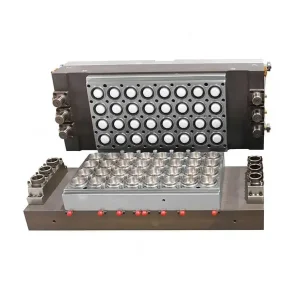
Explore auxiliary printing, cup packing, and thermoforming molds designed for turnkey factories.
Get in touch with Wenzhou Yicai Machinery to discuss custom configurations, layouts, and pricing quotes.
Partnering with global food packaging companies, polymer extruders, and cup manufacturing plants since 2010. Contact our sales and engineering teams today.
Call or email us for prompt support on quotes, design proposals, and spare parts availability.
 Yicai Machinery