Explore our highly integrated plastic sheet extrusion machinery, cup silk screen printing technologies, and multi-station high-speed thermoforming units designed for modern lean manufacturing.
In high-capacity polymer conversion fields, selecting the ideal forming method determines structural viability, financial performance, and throughput limits. While searching for an injection molding equipment factory is common for producing thick-walled, highly complex parts like automotive housings or high-tolerance engineering components, thermoforming machinery offers significant advantages for high-volume, thin-walled packaging. Understanding the differences between these technologies is key to optimizing production lines.
Thermoforming uses heat and vacuum/pressure to shape extruded plastic sheets over a single mold. In contrast, injection molding melts polymer pellets and injects them under high pressure into complex, dual-sided cavities. For thin-wall applications like cups, lids, clamshells, and trays, thermoforming systems yield higher output rates and require significantly lower tooling capital investment than injection molding. Additionally, integrating sheet extrusion directly with thermoforming and inline trim recycling creates a closed-loop system, minimizing material waste and energy consumption.
Modern plastics processing demands flexible systems that can handle a wide variety of resins while meeting strict sustainability goals. Traditional polymers like Polypropylene (PP), Polystyrene (PS), and Polyethylene Terephthalate (PET) remain industry standards due to their mechanical properties. However, modern machinery must also support biopolymers like Polylactic Acid (PLA) and starch-based resins. Processing biopolymers requires precise thermal controls, optimized screw designs in sheet extruders, and adaptable clamping mechanisms during forming, as these materials have narrow processing temperature windows.
Global manufacturers face high energy costs and volatile material prices. Implementing advanced multi-layer co-extrusion technology helps mitigate these risks. Co-extrusion allows factories to incorporate post-consumer recycled (PCR) resin or industrial regrind into a core layer, sandwiched between thin layers of virgin polymer. This maintains food safety standards and mechanical properties while significantly lowering raw material costs and supporting circular economy initiatives.
The global machinery market is undergoing a transition driven by regulatory changes, automation, and supply chain adjustments. In markets like North America and the European Union, regulations governing food-contact packaging require high traceability and compliance with FDA and EFSA standards. Industrial machinery must not only run reliably but also maintain process parameters within close tolerances to ensure consistent product safety.
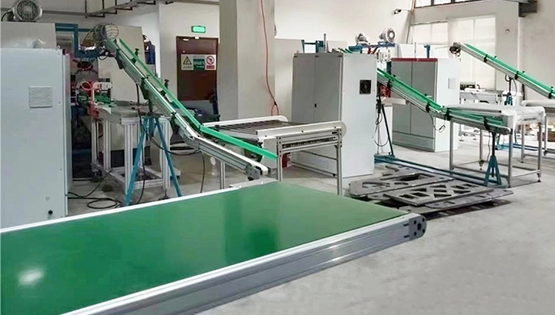
Additionally, labor shortages in major manufacturing centers have accelerated the adoption of automated end-of-line packaging systems. Modern thermoforming operations are transitioning from manually gathered parts to fully automated counting, stacking, and double-row packaging lines. By reducing human handling, these systems improve factory hygiene, lower defect rates, and optimize labor resources.
Deploying heavy machinery globally requires reliable local engineering support and compliance verification. Industry-standard certifications like the CE mark for European markets and UL listing for electrical panels in North America are essential requirements. Reliable machinery exporters provide complete engineering packages, including detailed layout drawings, electrical schematics, and pneumatic layouts to simplify local permitting and installation.
Furthermore, prompt after-sales support and spare parts availability are vital for maintaining plant productivity. Leading machinery manufacturers address this by maintaining global networks for remote diagnostic troubleshooting, on-site commissioning by field engineers, and localized inventories of critical components like PLCs, heating elements, and hydraulic seals. This ensures rapid resolution of technical issues and minimizes operational downtime.
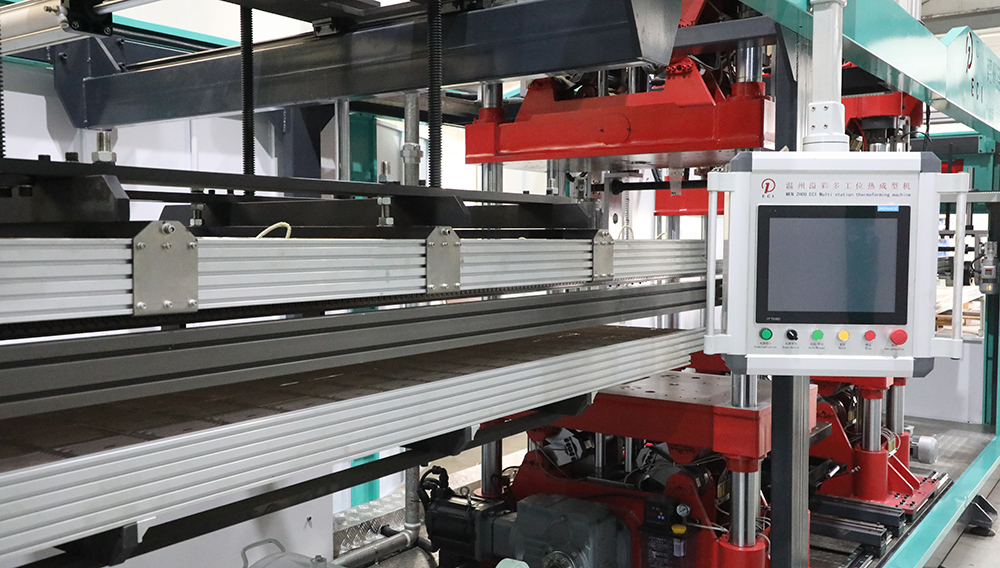
The technical roadmap for polymer processing machinery focuses on three key areas: digital connectivity, precision servo motion control, and energy recovery. Older pneumatic and hydraulic machinery is increasingly being replaced by all-servo-driven multi-station thermoforming systems. Servo motors provide precise control over tool positioning, plug assist movement, and sheet indexing, resulting in material savings, shorter cycle times, and cleaner operation.
Looking ahead, integrating Internet of Things (IoT) sensors and edge computing will enable real-time tracking of parameters like melt temperature, forming pressure, and mold cooling rates. AI-driven software can analyze this data to predict tool wear, optimize heating profiles, and automatically adjust settings to compensate for variations in sheet thickness. These advancements reduce material waste, simplify operator training, and maximize production efficiency.
Wenzhou Yicai Machinery Technology Co., LTD. (formerly Ruian Seven Star Machinery)
The machinery industry is a highly technical manufacturing field requiring specialized engineering expertise, advanced process designs, and precise automation controls. Modern mechanical production involves complex metal fabrication, high-tolerance machining, welding, and assembly. As global competition intensifies, manufacturers face increasing pressure to improve energy efficiency, minimize environmental impact, and deliver cost-effective solutions.
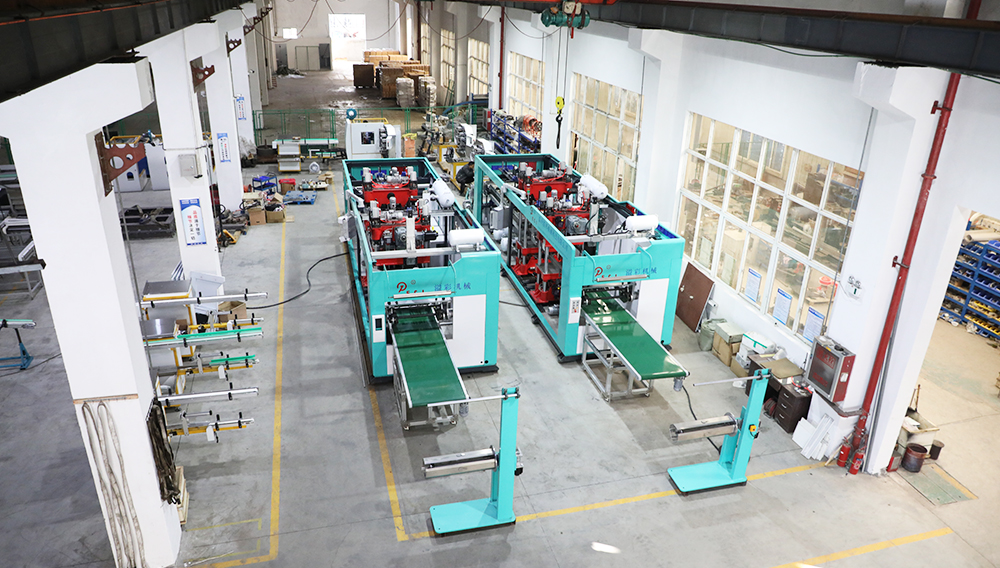
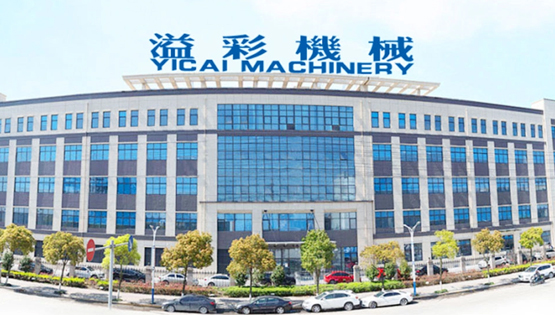
Founded in 2010 as Ruian Seven Star Machinery and reorganized in 2022 as Wenzhou Yicai Machinery Technology Co., LTD., we are located in Zhejiang Province, East China. Equipped with an experienced R&D team and modern production facilities, we specialize in the design, manufacture, and distribution of high-performance thermoforming machines, curved offset printing systems, plastic sheet extruders, and precision molds. We prioritize product quality and customer satisfaction, continuously updating our technology and services to earn the trust of partners worldwide.
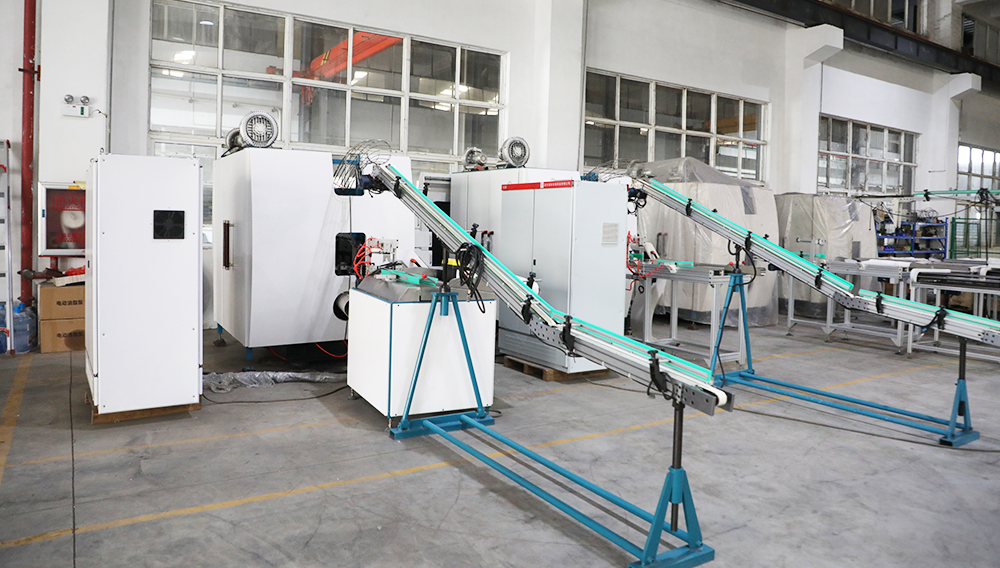
Built on Quality, Customer-Centricity, and Collaborative Innovation
We believe in providing equipment that helps our clients succeed. We design custom programs tailored to specific operational requirements, including logo designs, machine colors, and components from select brands.
To meet evolving industry demands, we have transitioned our machinery designs from manual and semi-automatic setups to fully automated, intelligent systems. Continuous R&D helps us deliver competitive production solutions.
Our machinery is manufactured using modern processes and quality control standards. We adhere to rigorous quality management systems to build stable, high-performance equipment that earns our clients' trust.
Our experienced sales and technical support teams help clients understand product features, evaluate technical specifications, and select the right systems for their projects before making a purchase.
We supply equipment to clients worldwide. This global experience helps us manage international logistics, navigate regional trade standards, and support customers across different markets.
To ensure reliability, we source critical electrical, pneumatic, and mechanical components from leading international brands, reducing equipment downtime and operational risks.
Our team includes specialists in design engineering, assembly, sales, and customer service, bringing valuable industry experience and technical knowledge to every project.
We provide long-term after-sales support, including remote diagnostics, maintenance advice, and spare parts supply, to keep our clients' production lines running efficiently.
Specialized Equipment for High-Volume Packaging Production
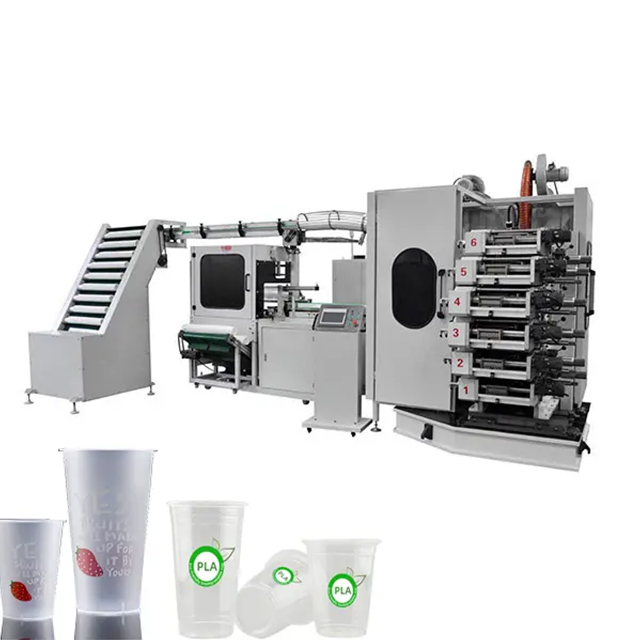
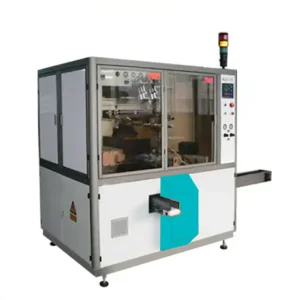
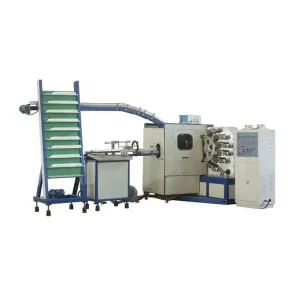
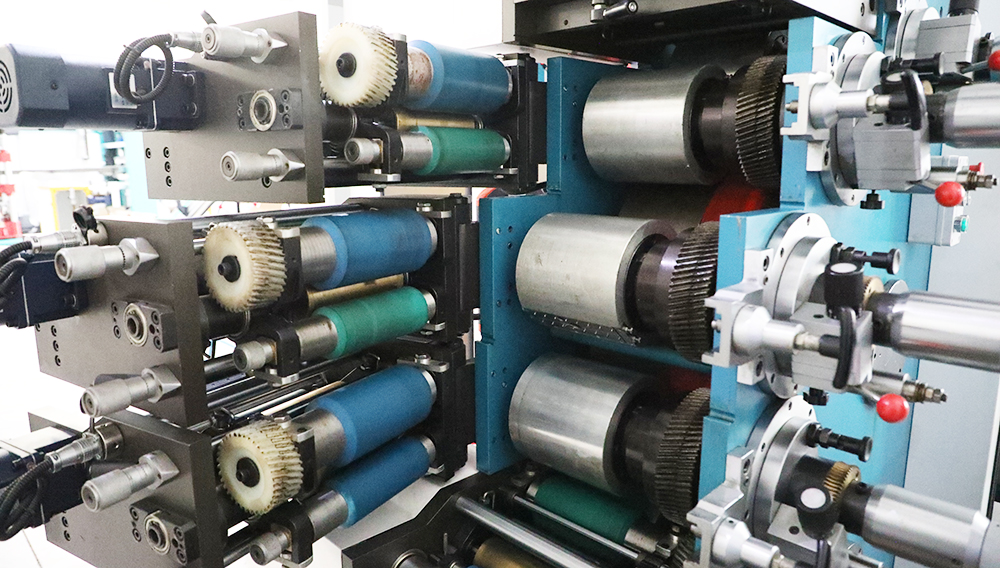
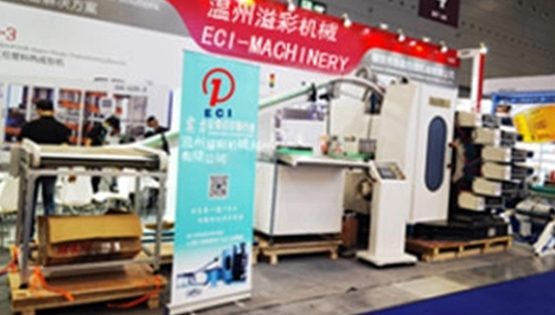
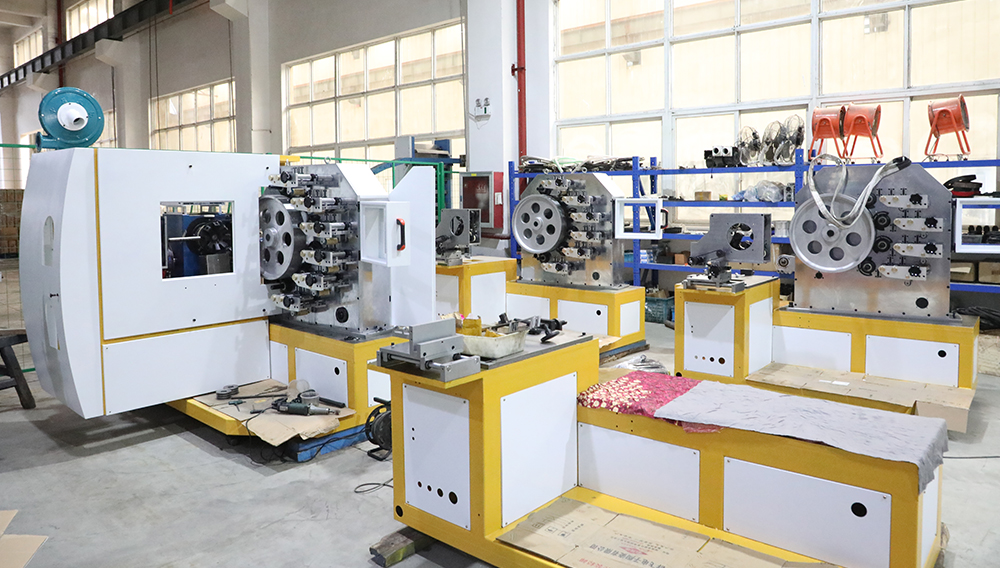
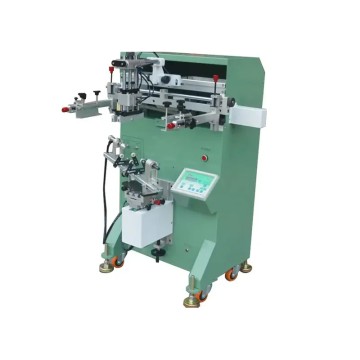
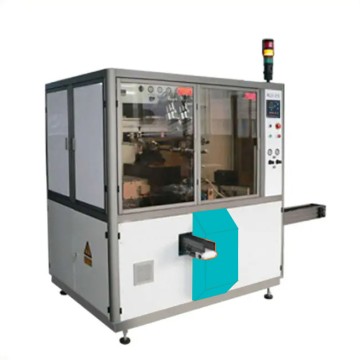
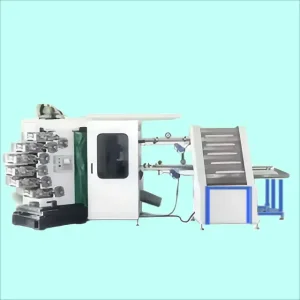
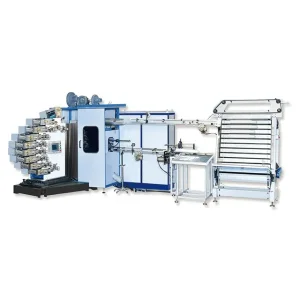
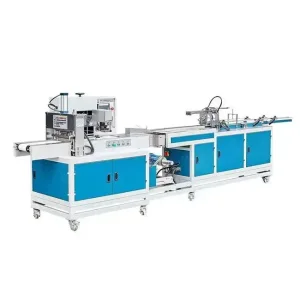
High-speed curved offset press systems for printing on cylindrical and tapered plastic cups with multi-color accuracy.
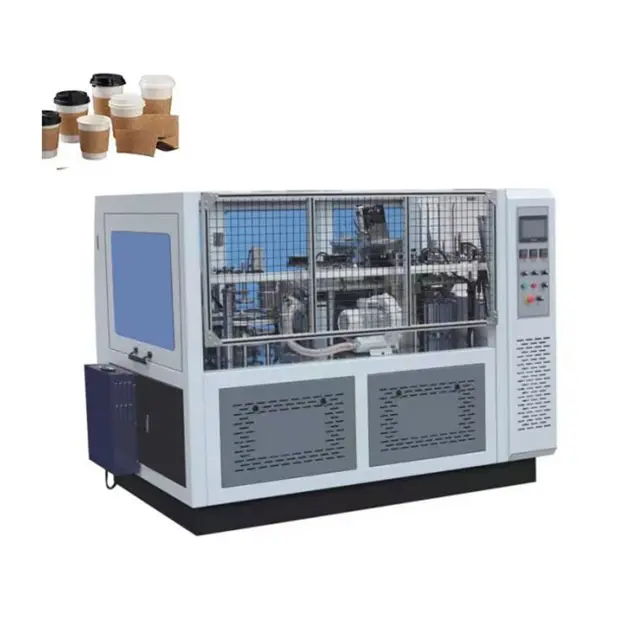
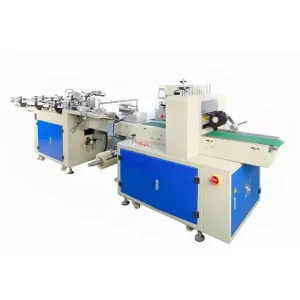
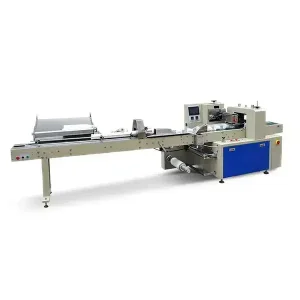
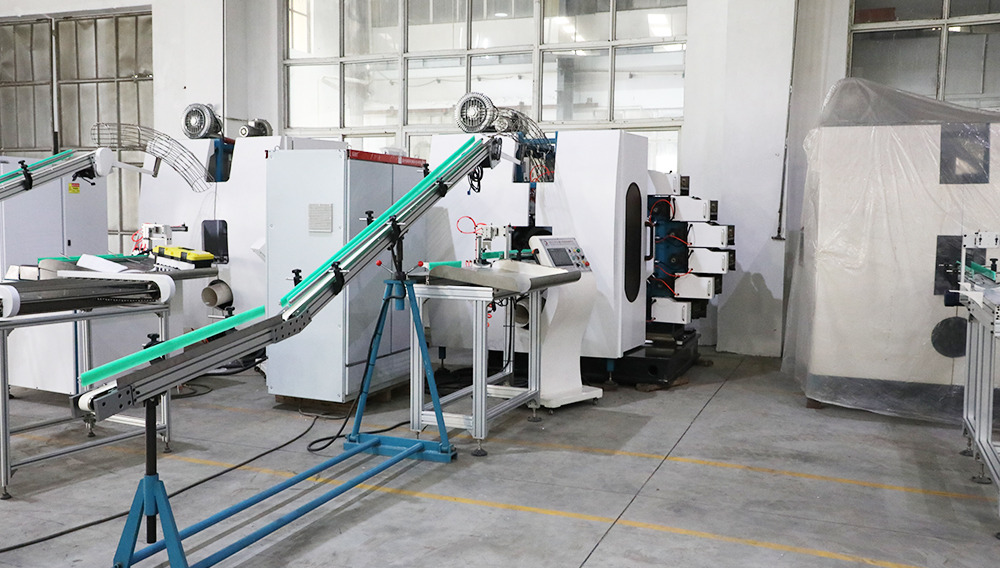
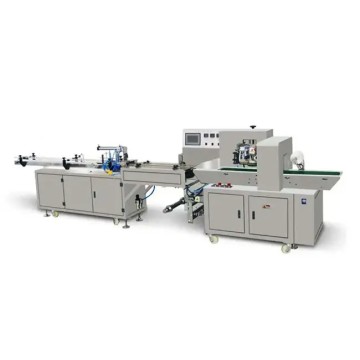
Automated counting, stacking, and packaging systems for single and double-row cup cartoning lines.
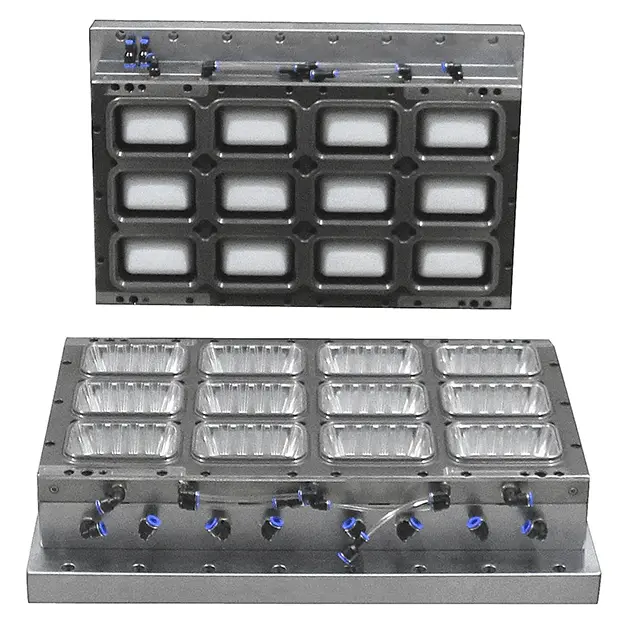
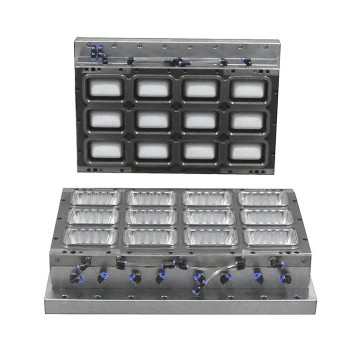
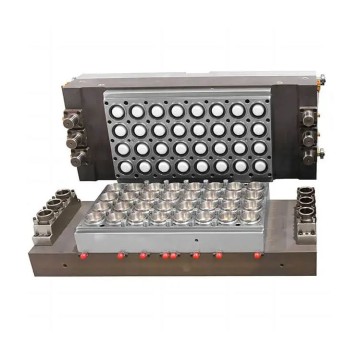
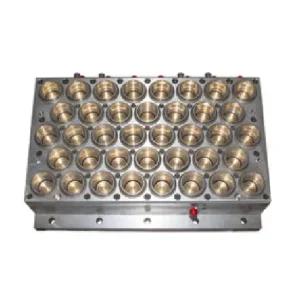
Precision-engineered aluminum and steel molds featuring optimized cooling channels for short cycle times and clean part release.
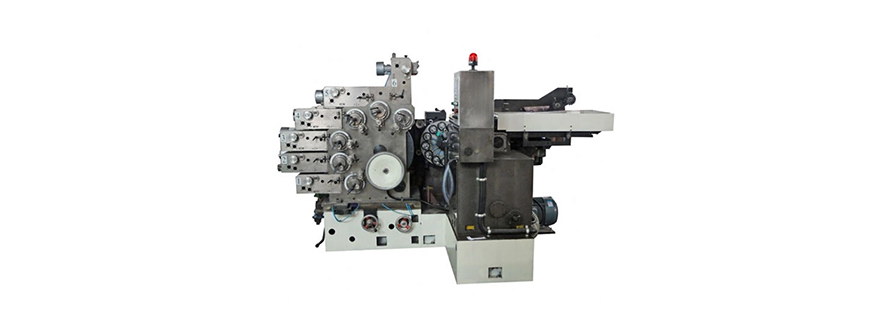
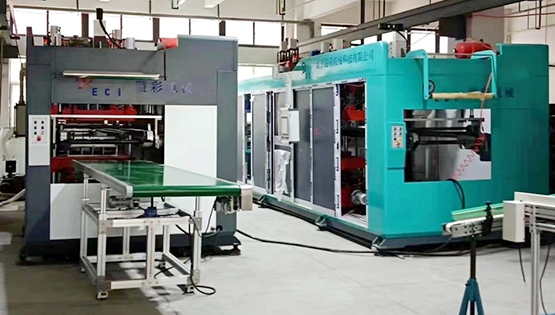
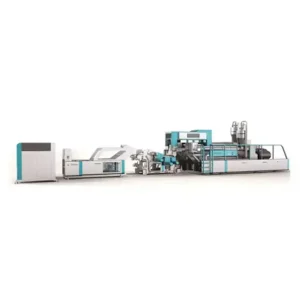
Integrated systems combining sheet forming, cutting, stacking, and scrap winding in a single continuous process.
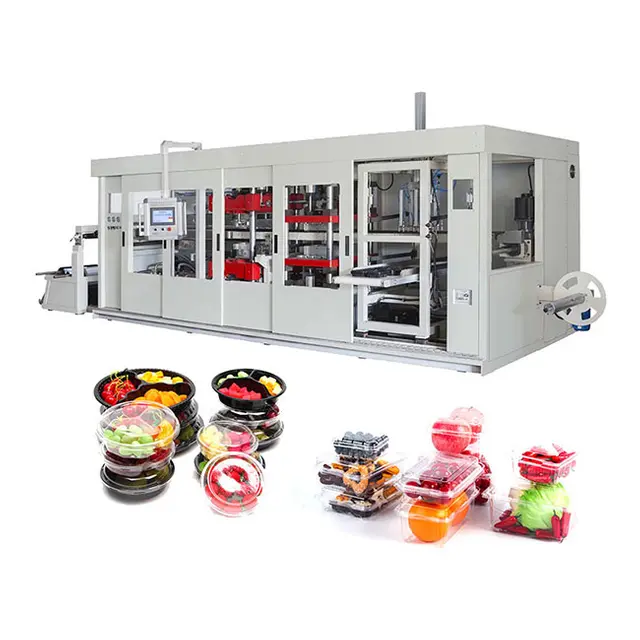
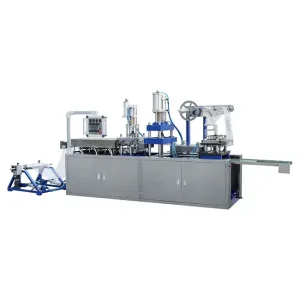
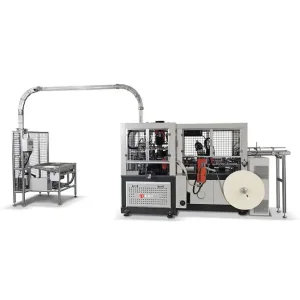
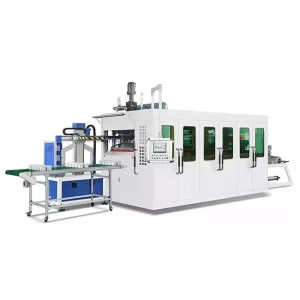
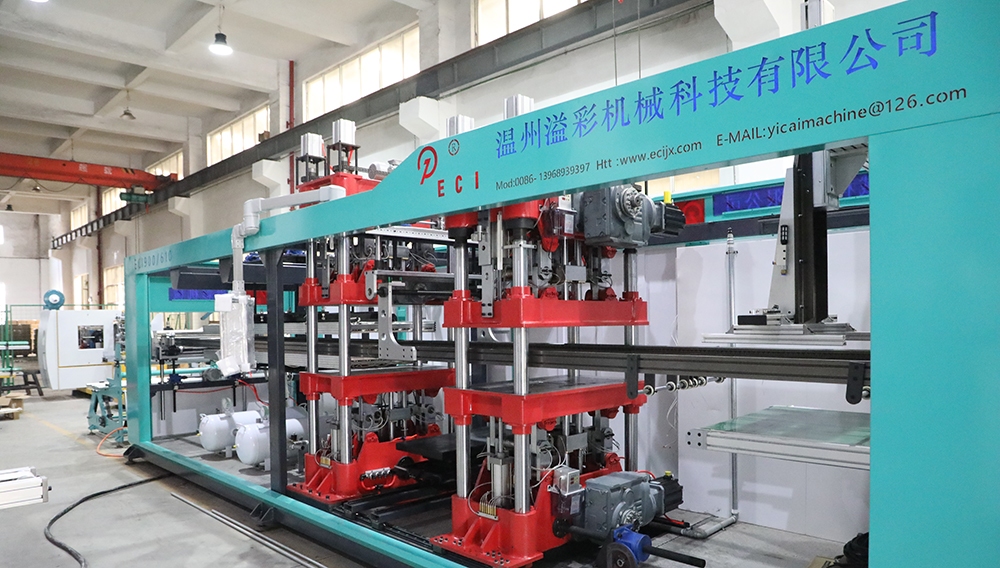
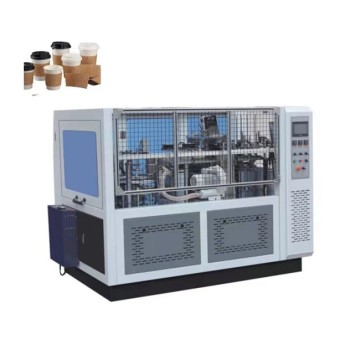
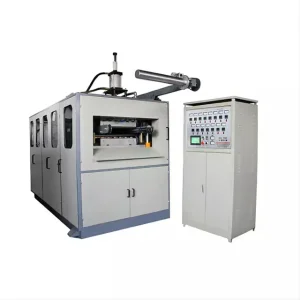
Reliable pressure and vacuum forming machines for producing cups, lids, and packaging trays.
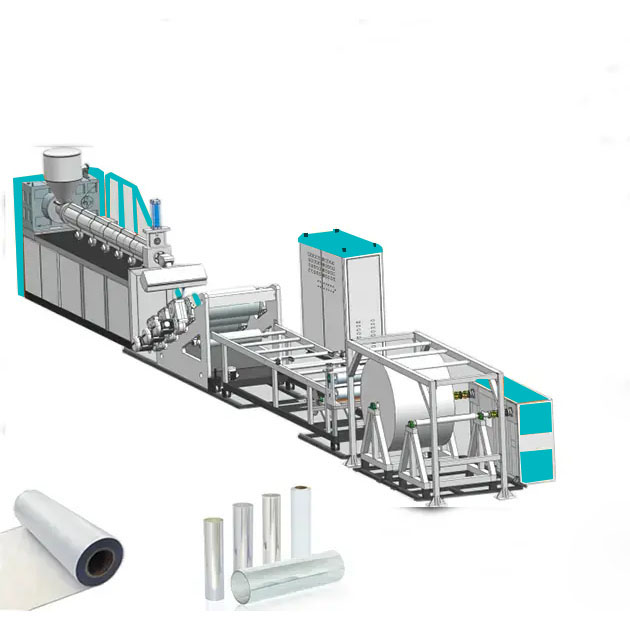
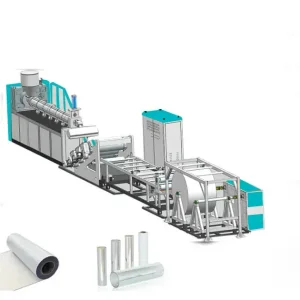
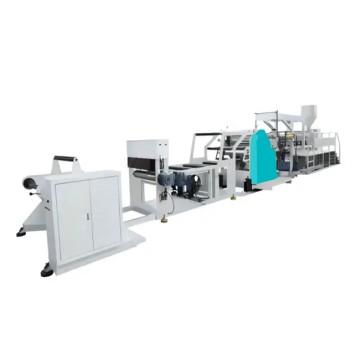
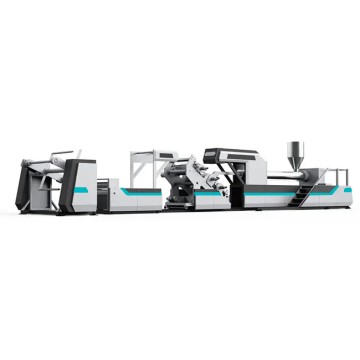
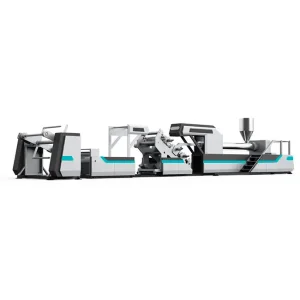
Extrusion lines configured for PP, PS, and PET resins, producing flat rolls with uniform thickness controls.
Ensuring Product Traceability and Equipment Reliability
Our quality management system covers the entire production cycle, including raw material inspection, steel fabrication, components assembly, test runs, and final checks. For customized project designs (OEM/ODM), our engineering team coordinates with clients to verify design details and ensure manufacturing progresses on schedule.
Before leaving the factory, each machine undergoes test runs with target resins to verify key parameters like temperature stability, motor loads, and output speeds. We provide detailed documentation, including testing logs and electrical schematics, to support commissioning and future maintenance.
Explore our main machinery configurations, printing lines, and mold options
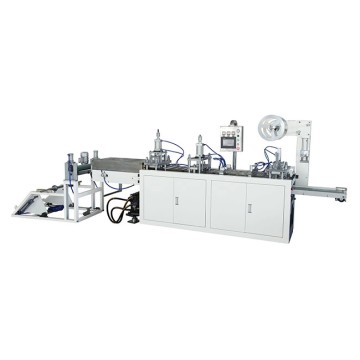
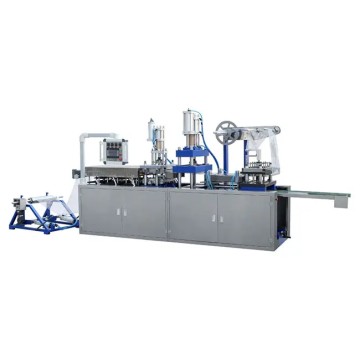
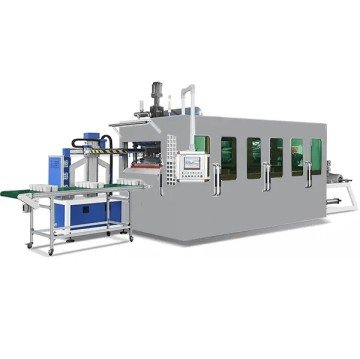
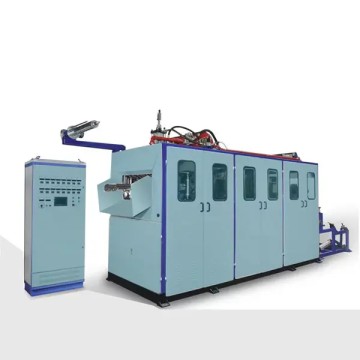
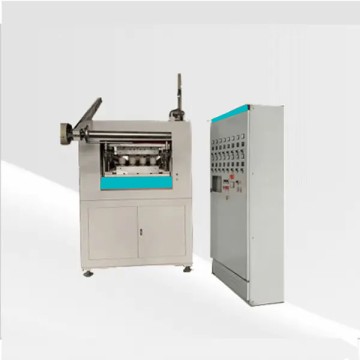
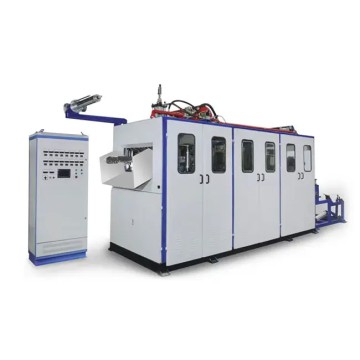
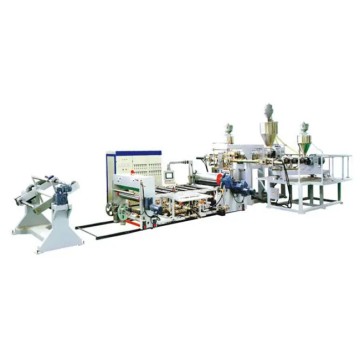
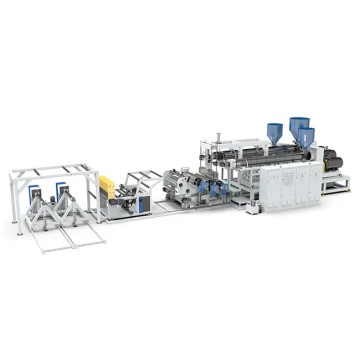
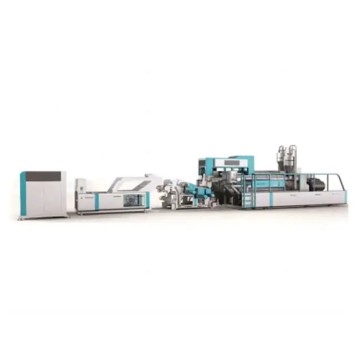
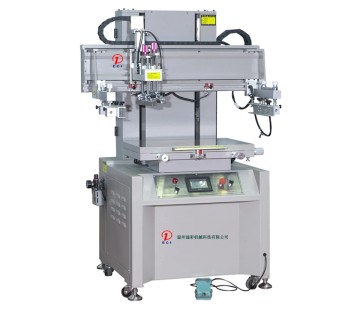
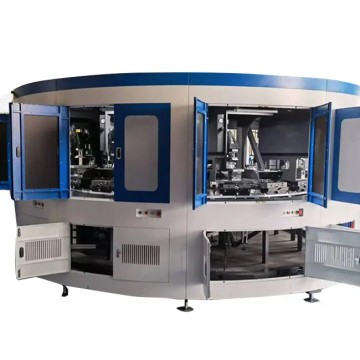
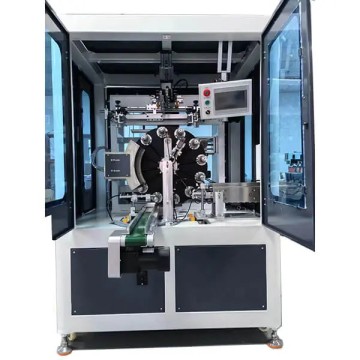
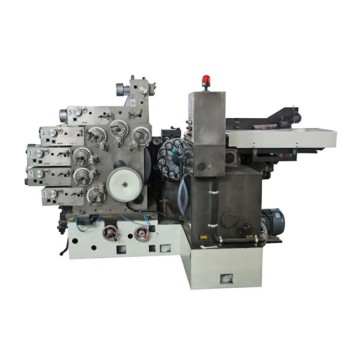
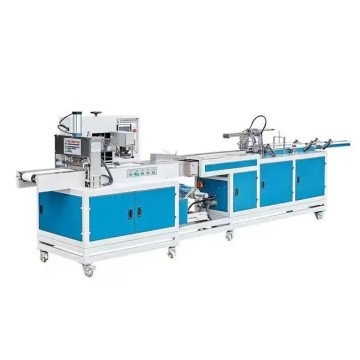
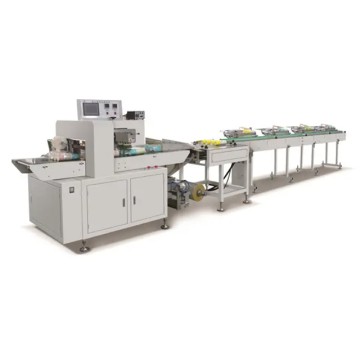
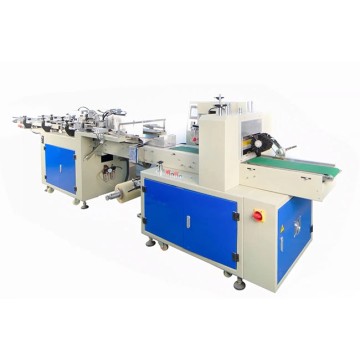
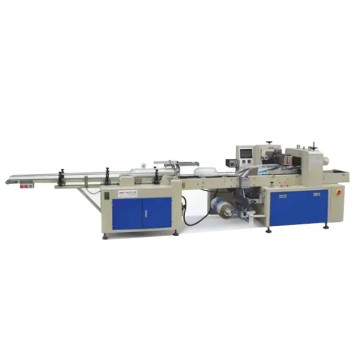
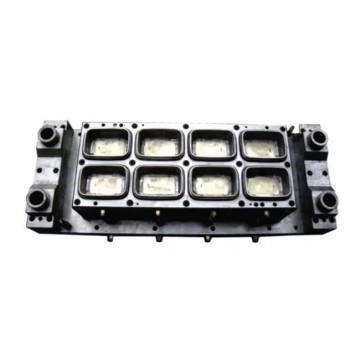
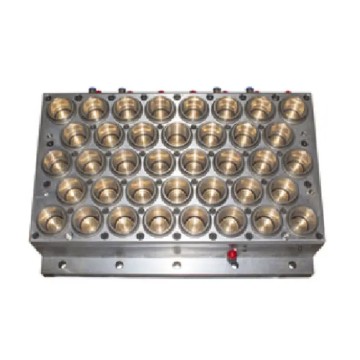
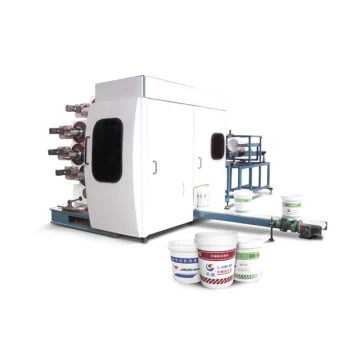
Find the right engineering solutions for your specific product application
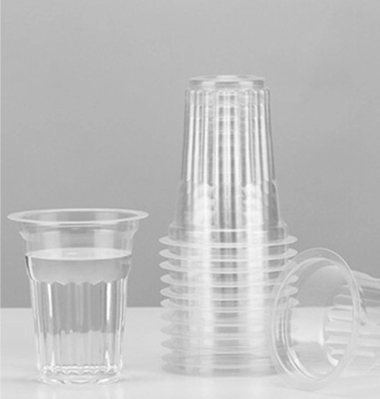
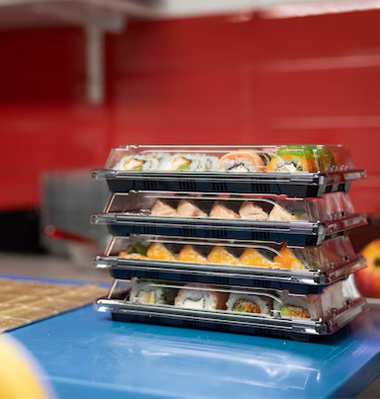
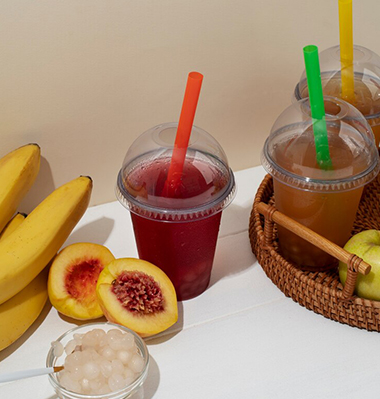
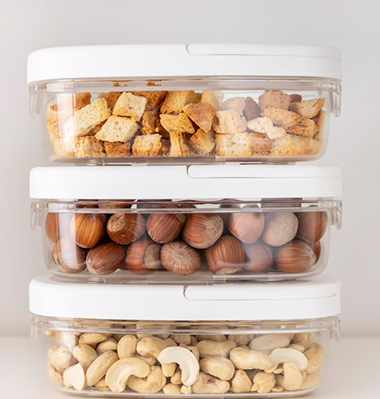

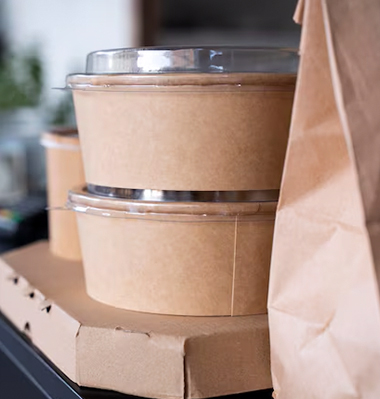

Detailed explanations regarding polymer machinery selection, design customizability, and operational parameters.
Get in touch to discuss project specifications, custom configurations, and pricing options.
Providing machinery solutions and technical support for packaging lines, laser equipment, and electronics manufacturing.
Submit your material requirements, target production speeds, and structural designs to receive a detailed equipment proposal and technical assessment from our engineering team.
Contact our sales engineers via the phone numbers or email addresses listed here. We will review your production requirements and respond with a detailed technical estimate within 24 business hours.
Explore our sheet extruders, multi-row packing configurations, molds, and offset printing lines.
 Yicai Machinery