Industrial machinery components from Wenzhou Yicai Machinery Technology Co., LTD.
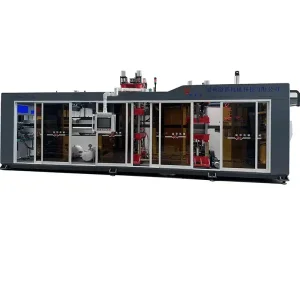
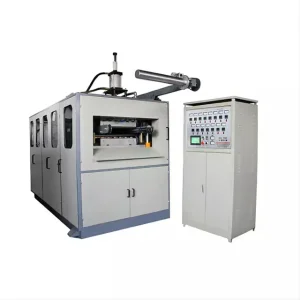
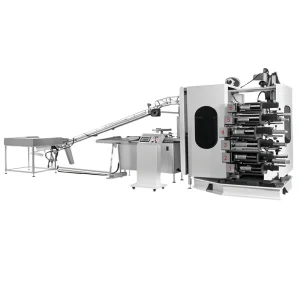
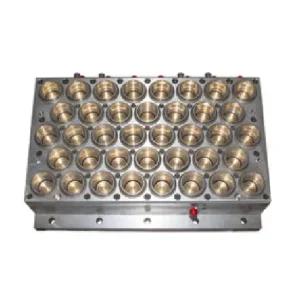
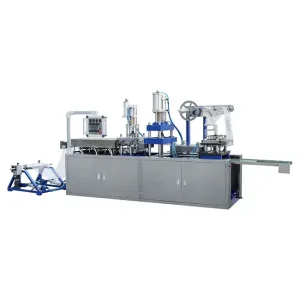
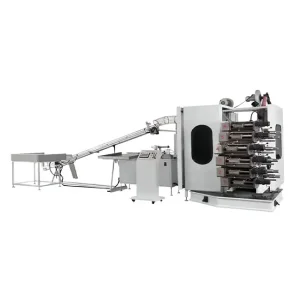
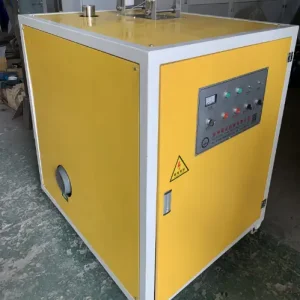
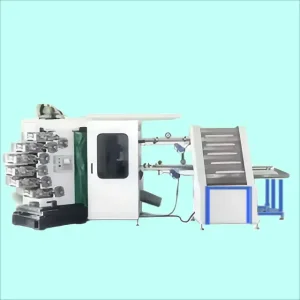
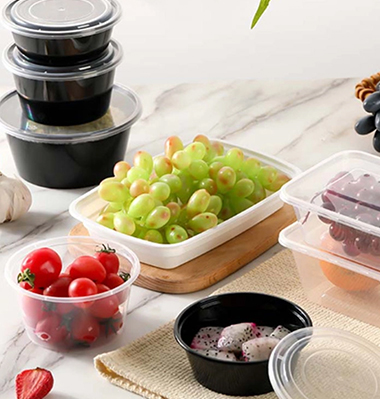
In modern supply chain management and packaging design, thermoformed plastic trays represent a critical segment. These trays, manufactured via vacuum, pressure, or twin-sheet thermoforming, protect and structure products across retail food, microelectronics, pharmaceutical, and automotive assembly lines. The global thermoforming market has expanded significantly, driven by the demand for structural rigidity, lightweight design, and raw material optimization. As international buyers look for high-performance partners, China has transitioned from a high-volume manufacturing center to a leader in precision tooling, advanced polymer barrier co-extrusion, and automated production.
Wenzhou Yicai Machinery Technology Co., LTD., as a specialist in automated thermoforming machine design, extrusion technology, and curved offset printing systems, supports this global shift. Achieving high structural stability and dimensional tolerance in thermoforming trays requires co-engineering the manufacturing machinery and the thermoforming tooling. This whitepaper explains the materials, machinery, tooling strategies, and applications that make Chinese thermoformed trays and production equipment competitive globally.
Selecting a thermoforming partner is more than comparing unit costs. Sophisticated buyers evaluate mechanical tolerances, polymer crystalline structures, cycle time efficiency, and compliance certifications (FDA, RoHS, and ISO). Working with a manufacturer that also designs and builds the thermoforming machinery guarantees that tooling geometries are optimized for material distribution and heat control, reducing waste and boosting production speeds.
The mechanical engineering sector is defined by its reliance on advanced R&D, processing equipment, and strict quality control. The manufacturing of thermoforming equipment is technically demanding, requiring support in mechanical design, structural assembly, metal thermal treatment, and computerized PLC automation. Additionally, manufacturing machinery involves complex steps, including precision tooling, robotic welding, and automated component testing.
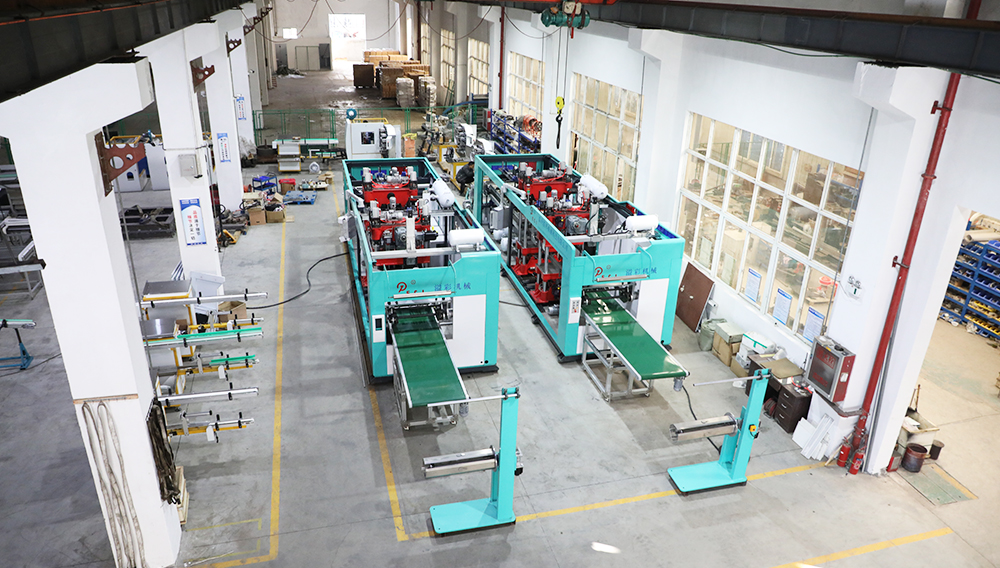
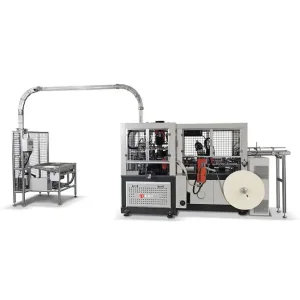
Founded in 2010 as Ruian Seven Star Machinery, Wenzhou Yicai Machinery Technology Co., LTD. rebranded in 2022 to represent its expanded focus. Located in Wenzhou City, Zhejiang Province—a coastal industrial region in East China—the company operates with a skilled technical team and manufacturing facilities. Yicai Machinery focuses on engineering and manufacturing high-performance thermoforming systems, multi-layer sheet extruders, curved offset cup printers, and integrated packaging solutions.
By focusing on product quality and manufacturing innovation, Yicai Machinery provides equipment that meets international safety, energy conservation, and emissions standards. Our design approach integrates mechanical engineering, software control, and material science, enabling us to deliver turnkey solutions for global packaging suppliers.
Manufacturing high-tolerance thermoforming trays requires control over the entire production line. Mechanical imbalances or thermal variations at any stage can lead to structural flaws or uneven wall distribution. The Yicai Machinery production sequence integrates four key technical stages:
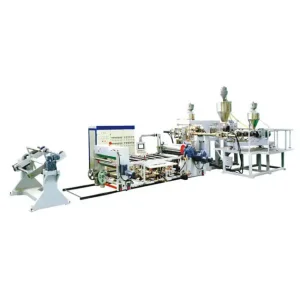
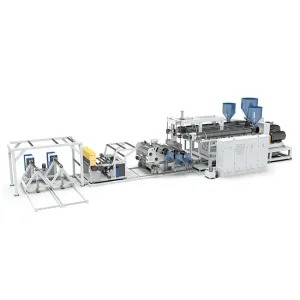
We configure multi-layer co-extrusion dies to produce high-barrier polymer structures. This process places oxygen-scavenging or barrier resins (like EVOH) between structural layers (such as virgin PP or PET), extending product shelf life.
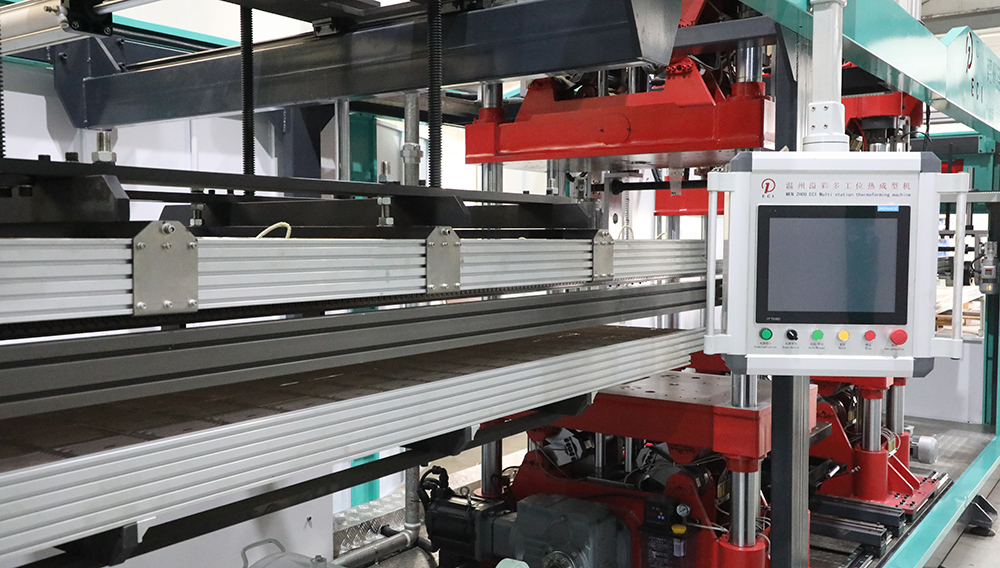
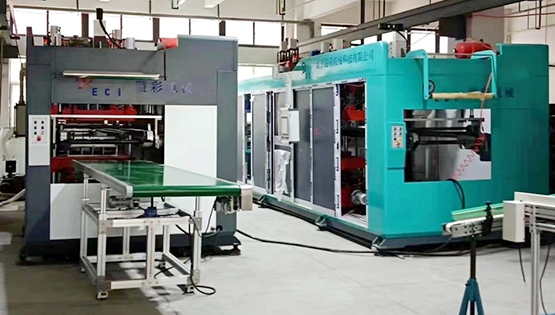
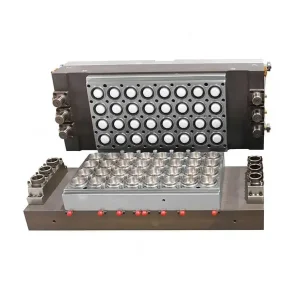
Our thermoforming systems use multi-axis servo systems to control mechanical movements. Combined with ceramic heating assemblies and high-pressure pneumatic forming, this setup produces consistent tray wall thicknesses.
Our online crushing and recovery systems grind and convey skeletal waste back to the extrusion station. This closed-loop process minimizes material waste and supports environmental compliance.
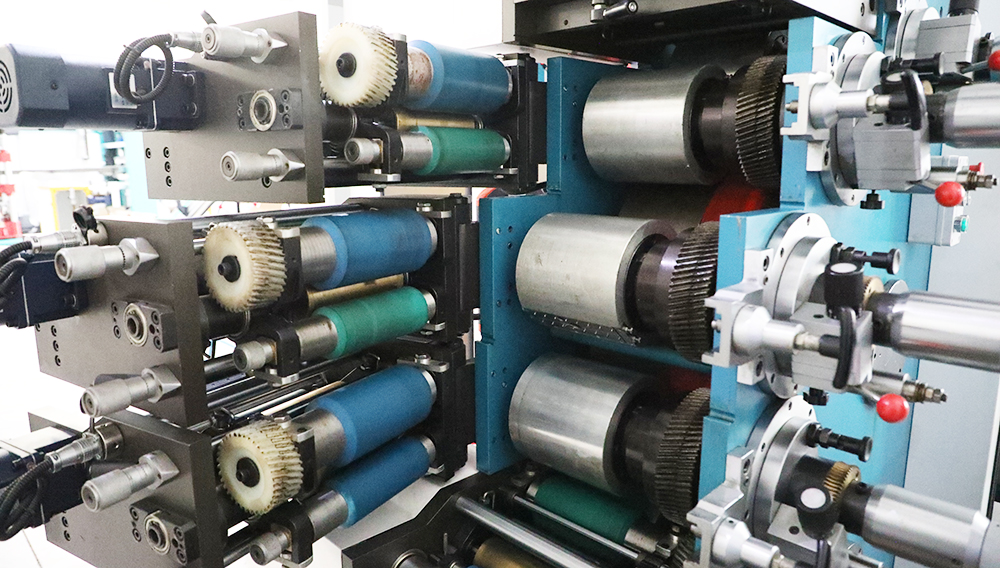
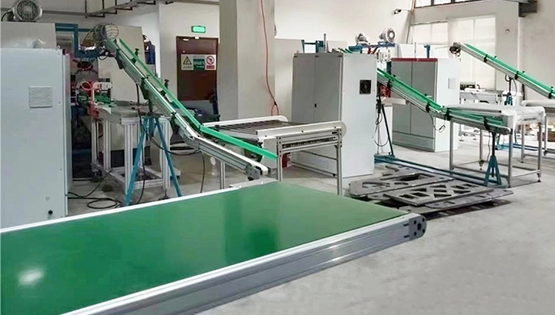
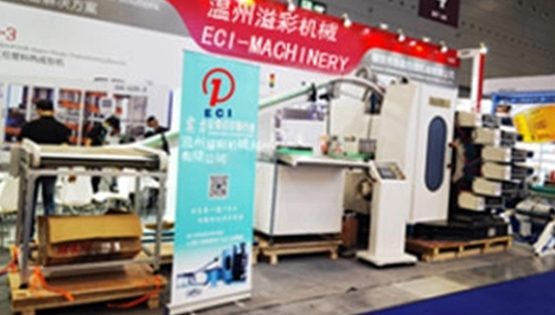
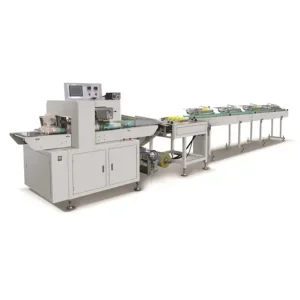
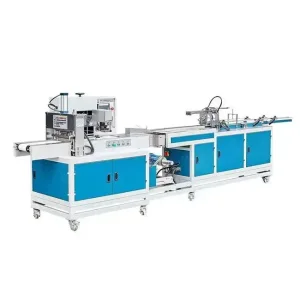
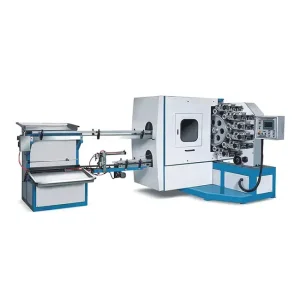
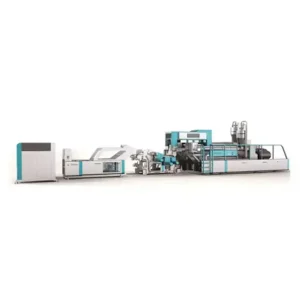
In addition, Yicai Machinery supplies peripheral components like advanced curved offset printing machines and automated packaging stations, supporting integrated, high-speed production from raw plastic granules to packaged finished products.
Reliability in high-speed manufacturing depends on stable machine uptime and consistent material behavior. Yicai Machinery focuses on engineering quality across our service offerings:
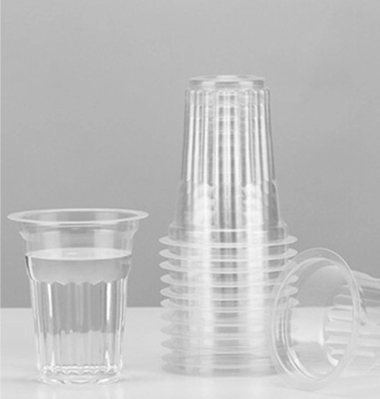
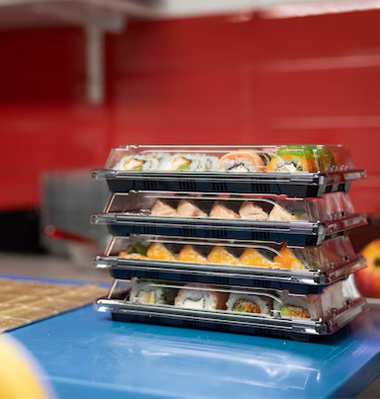
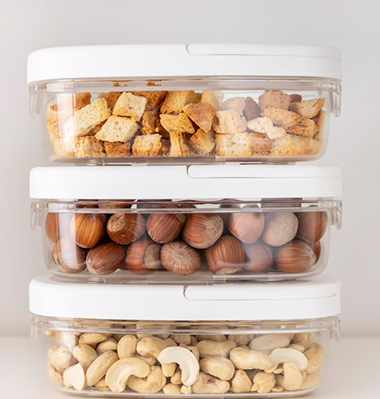
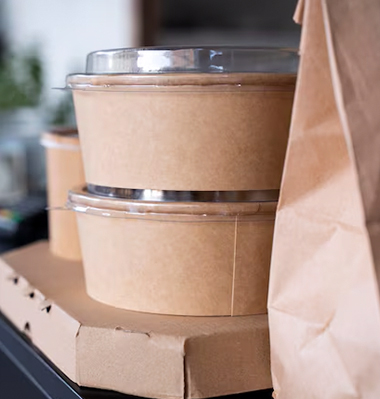
Thermoformed trays are used in diverse applications, each requiring specific material characteristics and design details:



The thermoforming industry is adapting to new environmental policies and automated production trends. Companies are shifting from traditional polymers toward biodegradable materials (like PLA) and post-consumer recycled resins (RPET). Working with these materials requires precise thermal regulation, as they often have narrow processing windows compared to standard PET or PP.
Additionally, the integration of smart controls, predictive maintenance, and real-time defect scanning is becoming standard. These technologies reduce labor requirements and help maintain consistent quality across high-volume production runs.
Which polymers are best suited for thermoformed food trays?
Polypropylene (PP) is preferred for microwaveable and hot-fill trays due to its heat tolerance. Polyethylene Terephthalate (PET) offers high clarity and barrier performance for cold storage. For eco-focused applications, Polylactic Acid (PLA) provides a bio-based, compostable option, though it requires precise temperature control during manufacturing.
How does Yicai Machinery ensure wall thickness consistency in deep-draw trays?
We use multi-station thermoforming designs with servo-driven plug assists. The physical plugs pre-stretch the heated sheet into the mold cavity before vacuum or pressure is applied, maintaining consistent material distribution even in deep-draw configurations.
What support is available for international tooling customization?
Our engineering team designs customized thermoforming molds from CAD/3D files. We test the tooling on our factory machines to verify dimensional accuracy, shrinkage rates, and trimming tolerances before shipping.
How does online recycling impact production efficiency?
Integrating an online crusher and scrap reclamation loop allows skeletal web waste to be immediately ground and reintroduced into the extrusion cycle. This helps lower material costs and reduces the labor required for handling waste.
Contact us for machinery specifications, tooling consultations, or custom quotes.
Provide your tray dimensions, production capacity targets, and raw material preferences. Our engineering team will review your specifications and provide a custom proposal.
Send Technical InquiryCustom molds, extrusion lines, and high-capacity cup printing systems
 Yicai Machinery