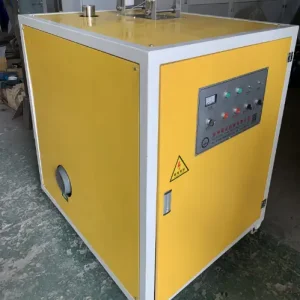
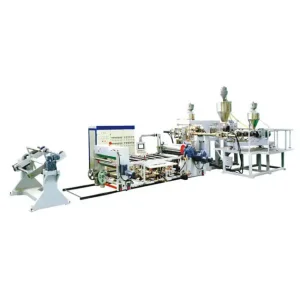
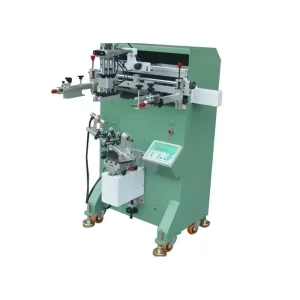
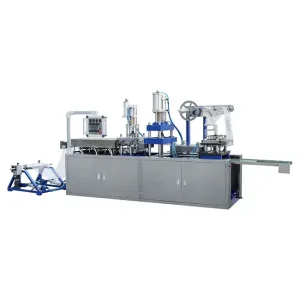
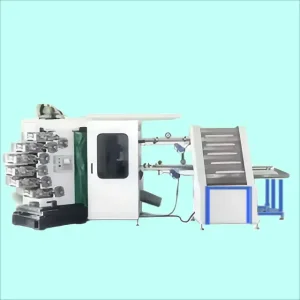
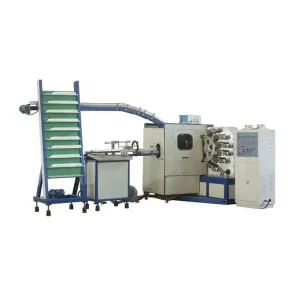
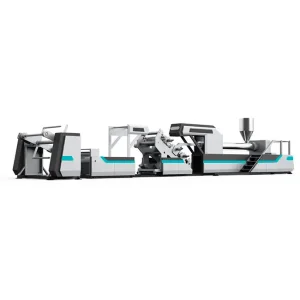
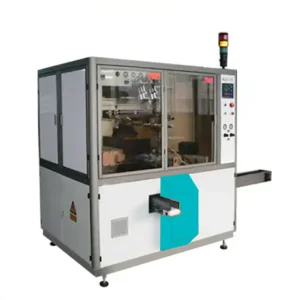
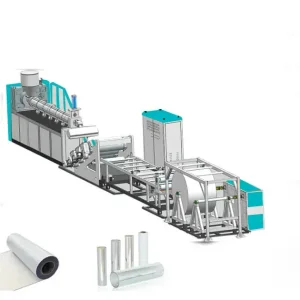
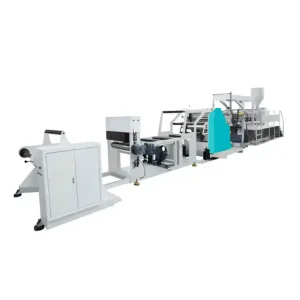
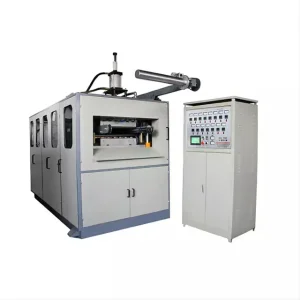
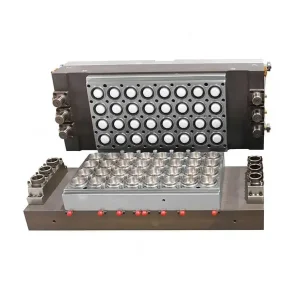
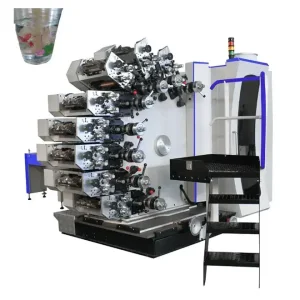
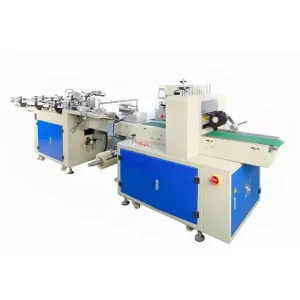
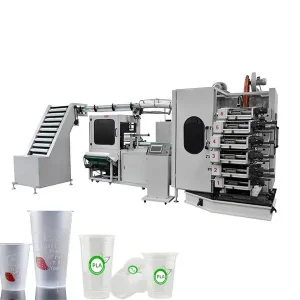
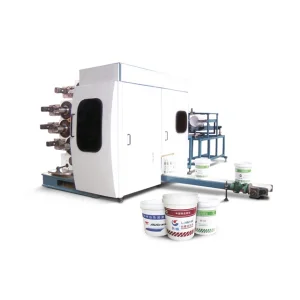
Advanced machinery configurations designed for high-efficiency plastic and paper processing lines
Understanding the micro-mechanics, ink transfer systems, and architectural parameters of curved container offset decoration
Dry offset printing, alternatively known as letterset or indirect letterpress printing, represents the pinnacle of high-speed cylindrical and tapered container decoration. Unlike wet offset printing commonly employed in commercial paper publishing, dry offset does not use water or dampening solutions. Instead, it relies on relief plates—typically made of photopolymer materials—to transfer ink onto a resilient rubber blanket cylinder, which in turn offsets the image onto the substrate. The integration of single color offset printing machines serves as the foundation for targeted branding, labeling, and regulatory coding on food-grade containers, industrial plastic buckets, and disposable beverage cups.
In high-speed production environments, the stability of the ink train is paramount. The system transfers ink from an ink fountain via a series of distributing rollers to the plate cylinder. Because plastic materials like Polypropylene (PP), Polystyrene (PS), Polyethylene Terephthalate (PET), and Polylactic Acid (PLA) exhibit low surface energy, they are inherently resistant to ink adhesion. Thus, before the single color dry offset process takes place, modern machinery integrates a corona treatment system or gas flame treatment. This pretreatment alters the molecular structure of the plastic surface, raising its surface tension to at least 38-40 dynes/cm to ensure flawless ink laydown and scratch-resistant adhesion.
Furthermore, the single-color configuration is highly valued for its mechanical simplicity and rapid changeover times. When packaging facilities run high-volume private label programs or print simple barcodes, batch codes, and minimalist logo branding, multi-color systems introduce unnecessary make-ready waste and clean-up downtime. By selecting an ODM (Original Design Manufacturer) partner who optimizes the mechanical cam profiles and ink-key zones specifically for single-color runs, companies reduce operational complexity while boosting overall equipment effectiveness (OEE).
Exploring the industrial clusters of Zhejiang Province and the structural advantages of Wenzhou Yicai Machinery Technology Co., LTD.
China has long transitioned from a low-cost assembly hub to an epicenter of advanced precision engineering. Zhejiang Province, particularly the Wenzhou and Ruian industrial belts, houses one of the most mature machinery manufacturing ecosystems in the world. This localized concentration provides several distinct benefits for global procurers of thermoforming and offset printing equipment:
Wenzhou Yicai Machinery Technology Co., LTD., originally founded in 2010 as Ruian Seven Star Machinery and reorganized in 2022, represents the embodiment of this industrial evolution. Spanning a 3,000 square meter facility with a dedicated R&D team, Yicai Machinery bridges the gap between high-end international performance specifications and localized manufacturing agility.
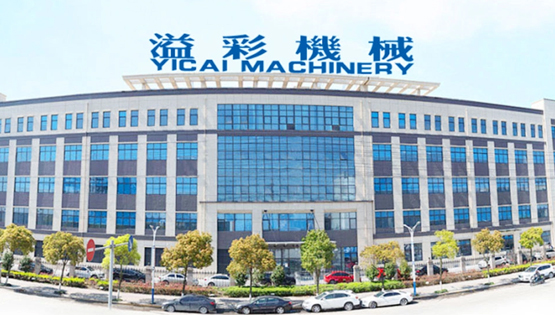
Key performance metrics demonstrating engineering excellence and global market footprint
Delivering value across the entire equipment lifecycle through robust R&D and supply chain integration
We configure the optimal program according to distinct customer production demands. This includes custom logo integrations, customized machine chassis coloring, specific electrical component configurations, and tailored tooling for unique cup geometries.
As the rigid packaging sector transitions from manual monitoring to semi-automatic, and finally to fully automated intelligent lines, we consistently invest in R&D. Our machines feature integrated electronic synchronized gearing, automatic stackers, and PLC touch-screen controls.
We execute strict international quality control programs throughout production. From the structural stress-relieving of our steel frames to the precise alignment of ink cylinders, we guarantee long-term stability and high production yields.
With machines operational worldwide, we possess extensive global logistics experience. We supply custom export packaging, provide documentation compliant with regional customs requirements, and coordinate cross-border engineering services.
To eliminate operational risks for our clients, we utilize components from globally recognized brands. Our high-grade bearings, electrical breakers, pneumatic valves, and servo drives ensure that spare parts are easily sourced in any corner of the globe.
Our engineering support starts during consultation, providing detailed layout designs and product tests. We guarantee quick post-delivery resolution of queries, sending mechanical drawings and operating software updates directly to your plant floor.
Designing modern manufacturing facilities for ultimate yield, zero-waste recycling, and minimized labor overhead
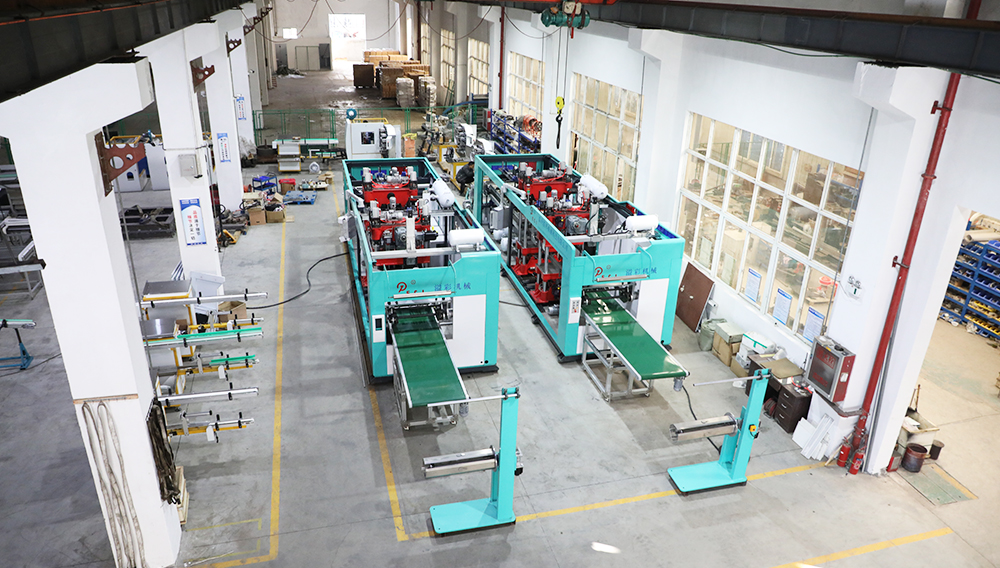
For high-capacity plastic packaging manufacturers, operating standalone machine silos creates bottleneck vulnerabilities and increases manual labor expenses. The most efficient global operations deploy an integrated closed-loop production flow. Wenzhou Yicai Machinery supplies solutions covering every stage of this macro process:
How single color offset decoration addresses regulatory compliance and market demand across diverse regions
The operational versatility of a single color offset printing machine makes it a vital asset in various localized application scenarios:
In regions such as North America and Europe, dairy processors utilize thermoformed cups that must present high-resolution nutritional details and batch tracking barcodes. A single-color offset system provides crisp print definition for fine text, enabling scanning compliance at retail checkouts.
Quick Service Restaurants (QSRs) consume massive volumes of translucent plastic cups for juice, milk tea, and carbonated sodas. Applying single-color corporate logos allows for immediate brand identification while minimizing ink cost per cup to fractions of a cent.
For larger industrial applications, heavy-duty bucket printing machines apply safety warnings, batch codes, and handling symbols onto the curved surfaces of 5-gallon pails. The ink must survive rough handling and outdoor storage conditions, which is achieved through optimized UV curing.
Detailed technical answers addressing standard global procurement concerns and troubleshooting protocols
Dry offset printing does not utilize a water-based dampening system. The relief plate transfers ink directly to a rubber blanket, which then transfers the image onto the container. This makes it ideal for non-porous, curved plastic substrates (such as PP, PE, PS, PET) where water separation would inhibit adhesion and slow down production rates.
Most plastics are chemically inert and have low surface energy, causing ink to bead up or scratch off easily. Integrating a corona or gas flame treatment station prior to printing temporarily breaks the molecular bonds on the surface. This creates polar groups that chemically bond with the ink, ensuring excellent print adhesion and scratch resistance.
While the mechanical frame of a single-color offset press is compact, it is generally built specifically for single-station transfer. For multi-color printing, a central impression drum system (supporting 4, 6, or 8 colors) is required. However, we offer ODM configuration options where multiple color heads can be manufactured within a modular frame to meet your specific requirements.
We highly recommend UV-curable inks. UV inks remain liquid in the ink fountain and only cure instantly when exposed to high-intensity UV-LED or mercury arc lamps at the exit station. This eliminates clogging on the rollers during idle periods, allows for high printing speeds, and ensures the printed cups are dry and ready for immediate stacking and packing.
Our standard cup printing machinery supports container diameters ranging from 50 mm to 150 mm, with taper angles ranging from 2 degrees to 15 degrees. We design and manufacture custom mandrels to fit the specific taper and rim configuration of your products, preventing deflection during the printing phase.
Daily maintenance should focus on cleaning the blanket cylinder and checking the rubber blanket for swelling or damage. Monthly protocols include inspecting the alignment of the print cylinder gears, checking mandrel bearing wear, and verifying the vacuum pressure levels. Even a minor drop in vacuum pressure can cause cups to slip slightly on the mandrels, causing registration shift.
We utilize seaworthy, vacuum-sealed packaging with anti-rust coatings applied to all raw iron and precision-ground steel components. The machines are bolted securely inside robust wooden crates to withstand movement and vibration during maritime transit. We also provide clear electrical diagrams and video documentation to assist your local technicians with installation.
Once the product drawing or physical sample is provided, our engineering team completes the CAD modeling and mold configuration design within 5-7 days. Upon drawing approval, CNC milling, heat treatment, and surface coating processes require approximately 25-30 days, including testing on our simulation benches before final shipment.
Complete your operations with related extrusion, packaging, thermoforming, and tooling systems
Partner with a professional ODM manufacturer of curved offset presses, thermoforming lines, and extrusion machinery.
 Yicai Machinery