In the contemporary globalized economy, the industrial packaging machinery sector stands as a core component of supply chain resilience, safety, and efficiency. Driven by rapid automation, increasing labor constraints, and the urgent imperative of eco-friendly manufacturing, automatic packaging systems have transformed from isolated mechanization nodes into intelligent, interconnected processing ecosystems. Modern automatic packaging machinery represents a deep integration of precision mechanical engineering, thermodynamic material extrusion, and computerized control systems (PLC).
"Search Quality Rater insights reveal that industry authority is built on tangible technical expertise and real-world deployment data. Our systems represent decades of industrial evolution, designed for heavy-duty round-the-clock manufacturing cycles."
China's role in this transformation has evolved from a mass manufacturer to a primary supplier of high-tech packaging solutions. Dynamic players in Wenzhou and across Zhejiang Province are pioneering advancements in multi-layer co-extrusion technology, servo-driven high-speed thermoforming, and multi-color curved surface offset printing. By delivering significant information gain through empirical system benchmarks, this report demonstrates why selecting a competent Chinese engineering partner like Wenzhou Yicai Machinery Technology Co., LTD. is a strategic decision for forward-looking global brands.
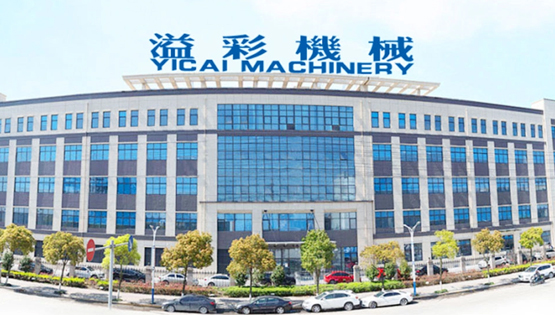
Founded in 2010 and originally known in the market as "Ruian Seven Star Machinery," our organization underwent a strategic rebranding in 2022 to become Wenzhou Yicai Machinery Technology Co., LTD. This transition marked our evolution from localized mechanical fabricators into a high-technology enterprise specializing in thermoforming machines, curved offset printing systems, and single or multi-layer plastic sheet extrusion plants. Located in Zhejiang Province—one of China's most active industrial hubs—we combine local supply chain efficiency with international standards.
The machinery industry is a highly technology-intensive manufacturing field requiring experienced technical engineering across design, material processing, assembly, and automated controls. Mechanical engineering is inherently complex, demanding precise welding, metallurgy, component machining, and structural alignment. As global priorities shift toward environmental protection and energy conservation, Yicai Machinery is continuously investing in research and development to optimize energy-saving profiles, reduce raw material waste, and offer highly competitive automated solutions to clients worldwide.
We tailor industrial solutions to your production needs, including logo design, paint finish, component configurations, and automation parameters.
We continuously advance from semi-automatic mechanisms to intelligent, fully automated operations, keeping our customers competitive.
Implementing strict quality control protocols, we build systems characterized by high stability and performance under continuous operations.
Our sales team provides in-depth technical analysis, helping you configure production configurations matching your volume and budget requirements.
We export to international markets and support client systems globally, facilitating compliance with regional industrial standards.
We source critical electronic, hydraulic, and pneumatic components from recognized international brands to help minimize operational downtime.
Our team includes specialized mechanical engineers, R&D professionals, and service technicians with deep domain expertise.
We provide ongoing technical support, maintenance schedules, and replacement parts to keep your factory lines running reliably.
Wenzhou Yicai Machinery operates at the intersection of several key plastics-processing disciplines. Understanding how these mechanical components connect is essential to establishing a high-efficiency packaging or container production line.
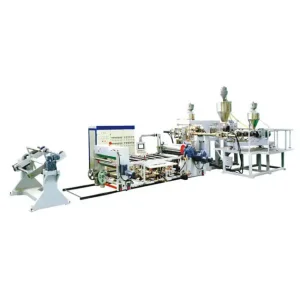
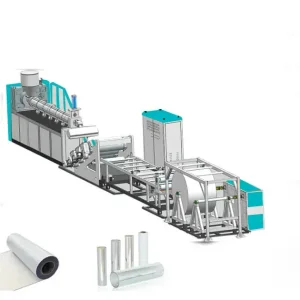
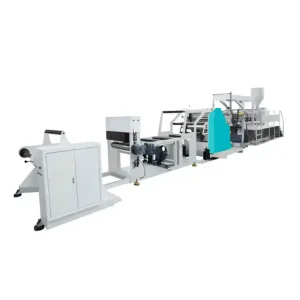
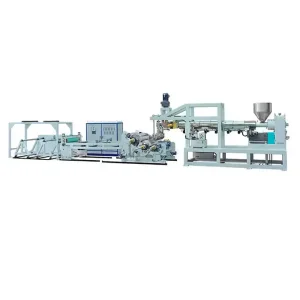
High-performance plastic packaging begins with sheet extrusion. Multi-layer co-extrusion technology enables manufacturers to construct composite plastic structures combining multiple materials (e.g., PP, PS, EVOH, PET, PLA) in a single pass. This process utilizes feedblock technologies to distribute layers precisely, allowing for oxygen barriers, structural rigidity, and heat sealability in a single sheet. Our sheet machines utilize screw designs that manage temperature distribution and melt flow, minimizing gauge variation across the sheet width.
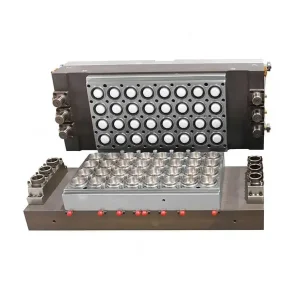
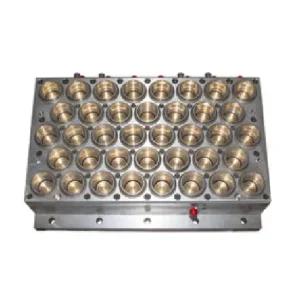
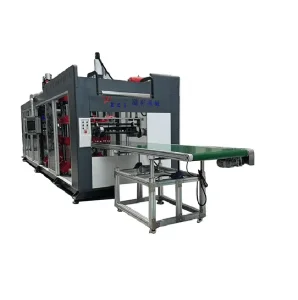
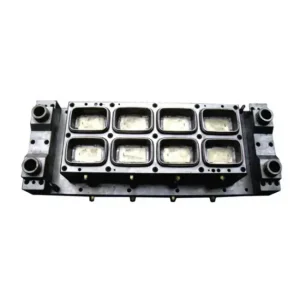
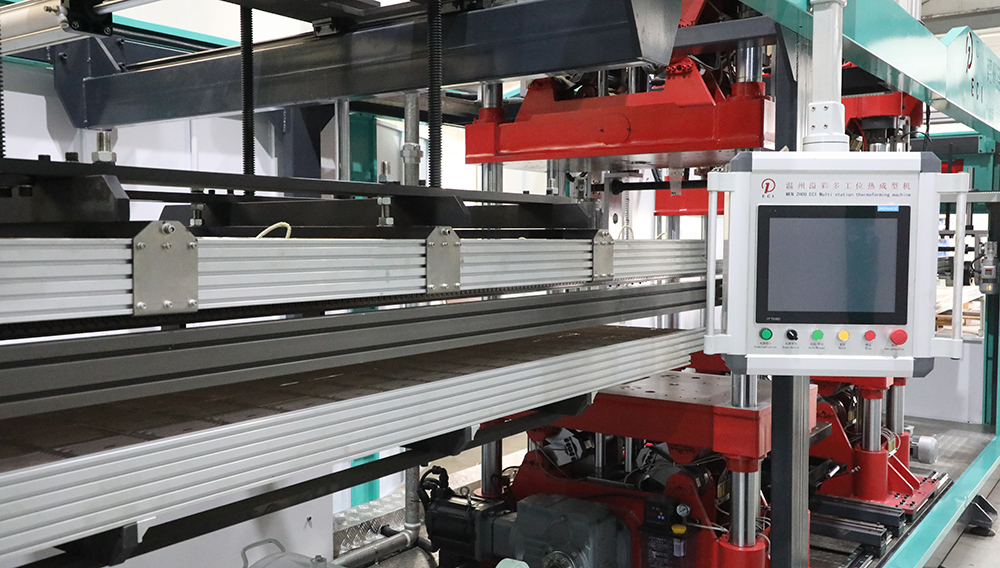
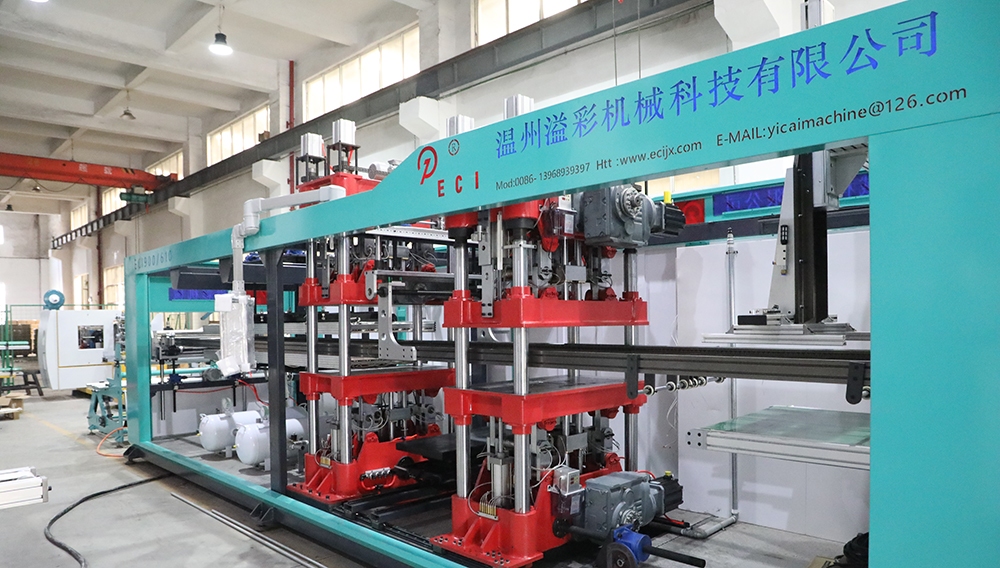
Thermoforming is the core process that shapes extruded sheets into containers. Multi-station systems integrate forming, cutting, and stacking into a synchronized operation. Incorporating positive and negative pressure mechanisms ensures uniform material distribution, even in complex or deep-draw molds. Servo-driven motors manage the clamping force, plug speeds, and sheet transport, yielding consistent cup, lid, and tray dimensions cycle after cycle.
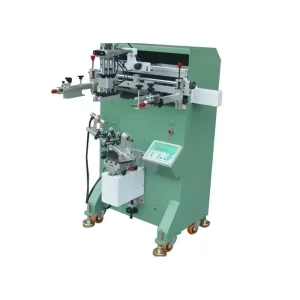
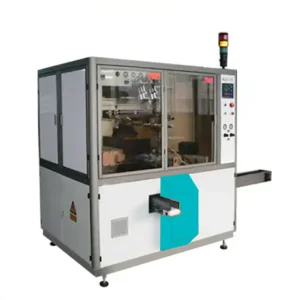
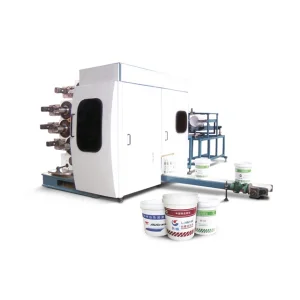
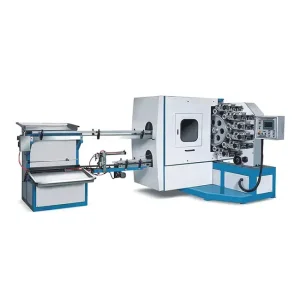
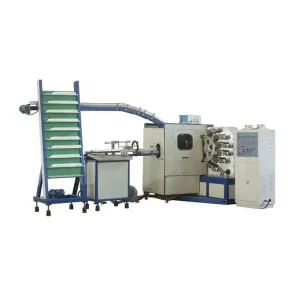
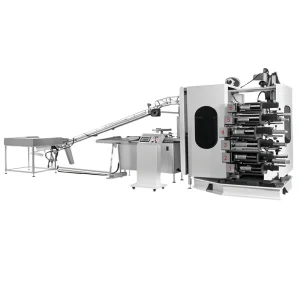
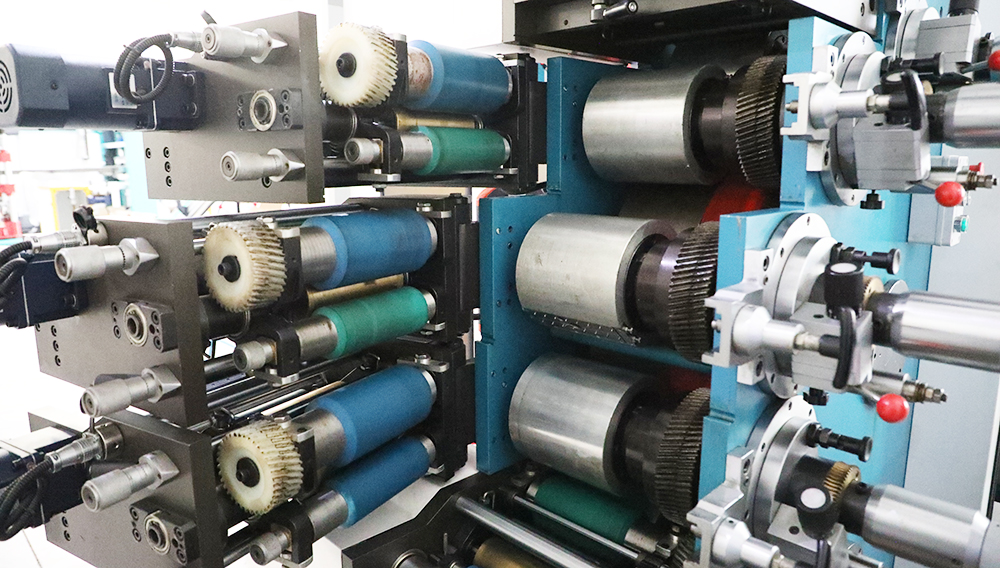
For round containers like yogurt cups, tea cups, and buckets, high-speed offset printing is highly efficient. Our multi-color curved surface offset press printing machines can print up to six colors in a single pass. Integrating features like corona pre-treatment, UV curing systems, and precise mechanical mandrels helps maintain registration accuracy even at high speeds.
Our systems are designed to fabricate and process a wide range of consumer-grade and industrial packaging containers.
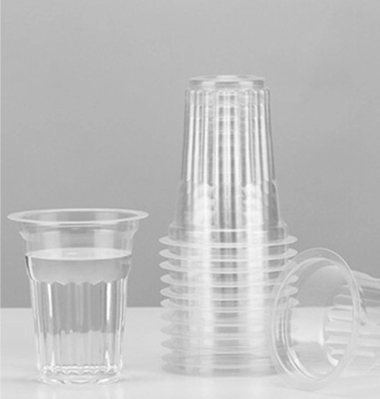
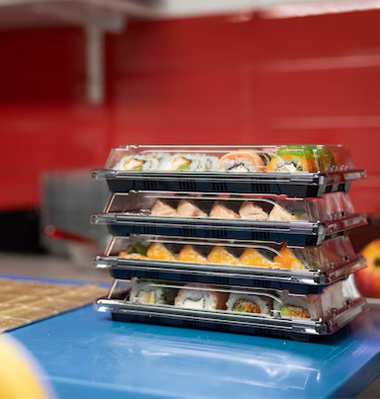
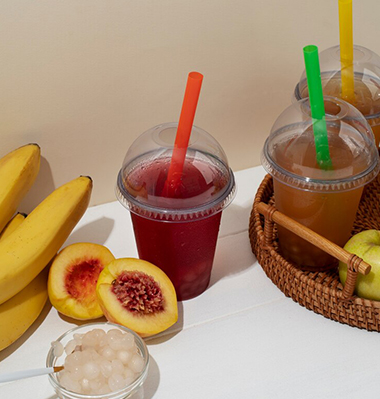
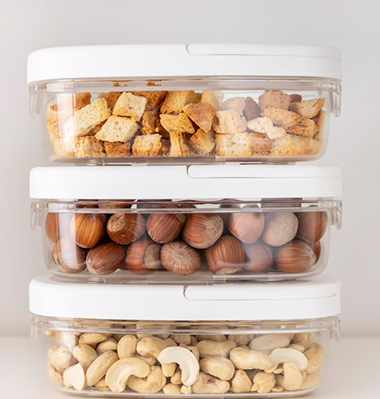
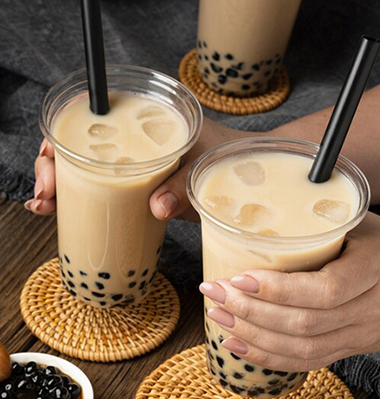
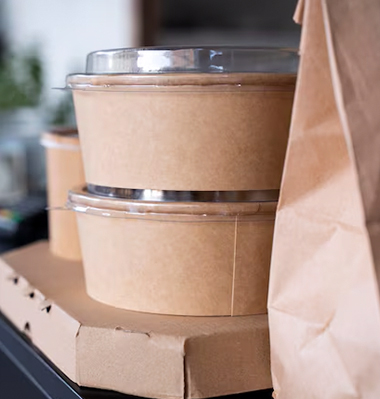
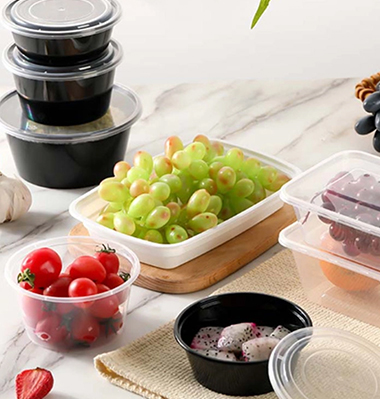

Multi-station positive and negative pressure thermoforming combines mechanical plug-assist, vacuum forming, and high-pressure air injection. This dual-pressure mechanism provides consistent material distribution and detail definition on deep-draw molds (e.g., cups, deep food trays) compared to vacuum-only systems. Integrating forming, cutting, and stacking in a single unit helps minimize material contamination, reduces labor cost, and speeds up production cycles.
Multi-layer co-extrusion allows you to layer different plastics (e.g., PP/EVOH/PP) to achieve properties that a single-layer sheet cannot. It enables oxygen and moisture barriers, extends food shelf life, and provides high puncture resistance. For businesses using recycled plastics, co-extrusion can sandwich a recycled core layer between virgin plastic food-grade skin layers, maintaining compliance while reducing material costs.
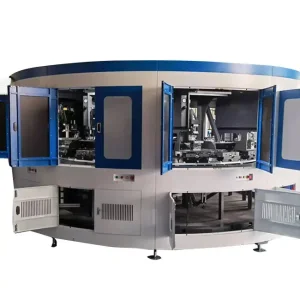
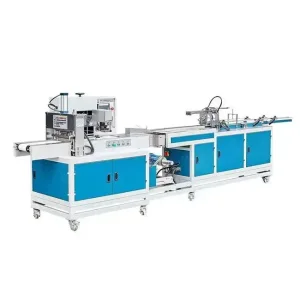
Dry-offset printing (curved offset press) transfers ink from multiple printing plates onto a central rubber blanket, applying all colors to the container in one rotation. This process is optimized for high-speed, high-volume production of items like yogurt cups. Silk screen printing applies ink directly through a mesh template, color by color, producing thicker, more opaque ink layers with higher texture and durability, which is often preferred for premium or industrial container designs.
We source critical automation parts, such as PLC control systems, temperature modules, servo motors, and pneumatic valves, from international brands (such as Siemens, Omron, Schneider, and SMC). This component quality, combined with our heavy steel structural frames and precision assembly, helps reduce vibration at high speeds, maintains positioning accuracy, and minimizes maintenance requirements.
Yes, our sheet extruders and thermoforming lines are designed with precise temperature control profiles to handle PLA and other biodegradable starches. PLA has a narrower thermoforming temperature window than PP or PET, requiring heating ovens with zoned PID controls and responsive heating elements to process the material reliably without degradation.
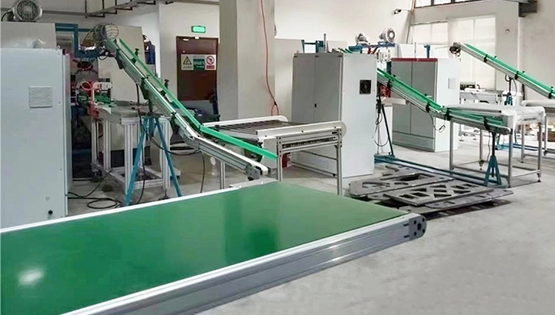
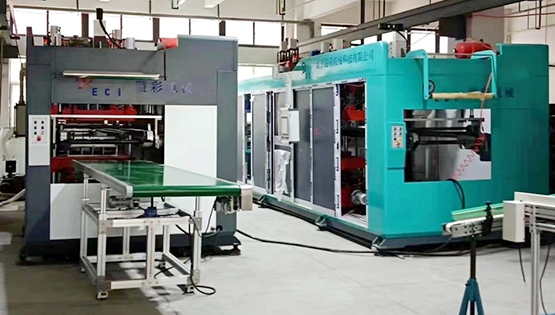
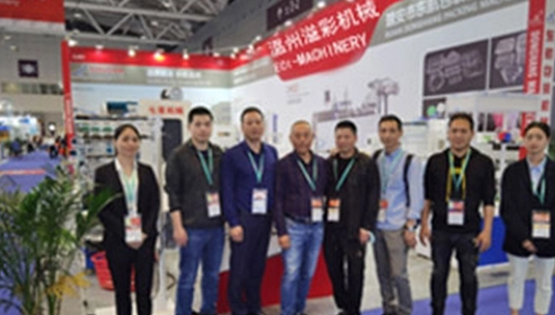
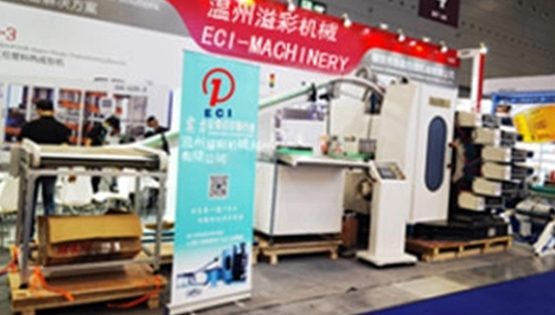
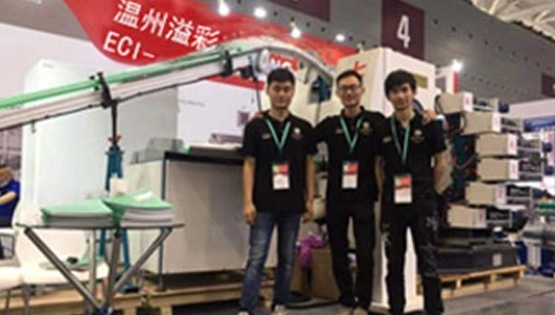
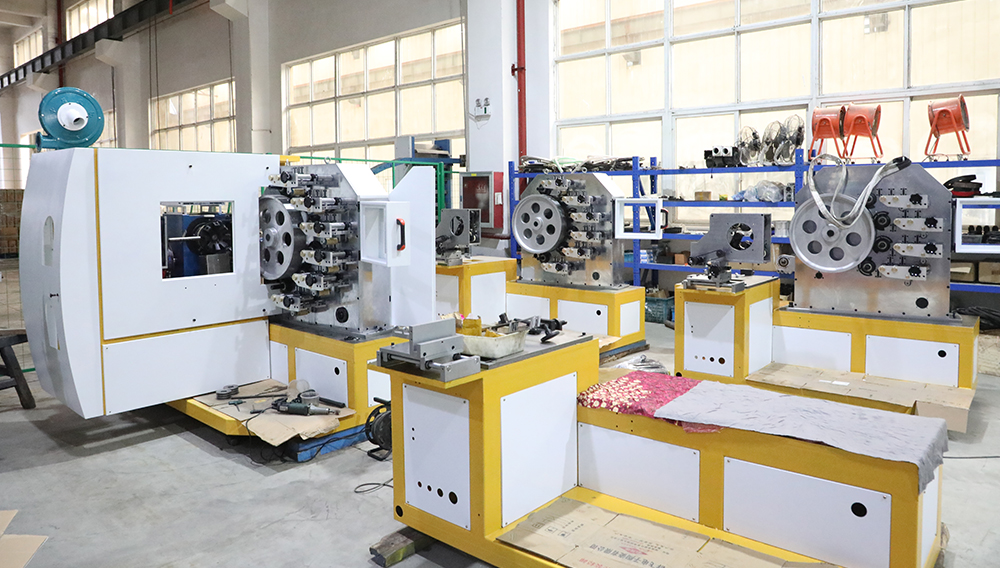
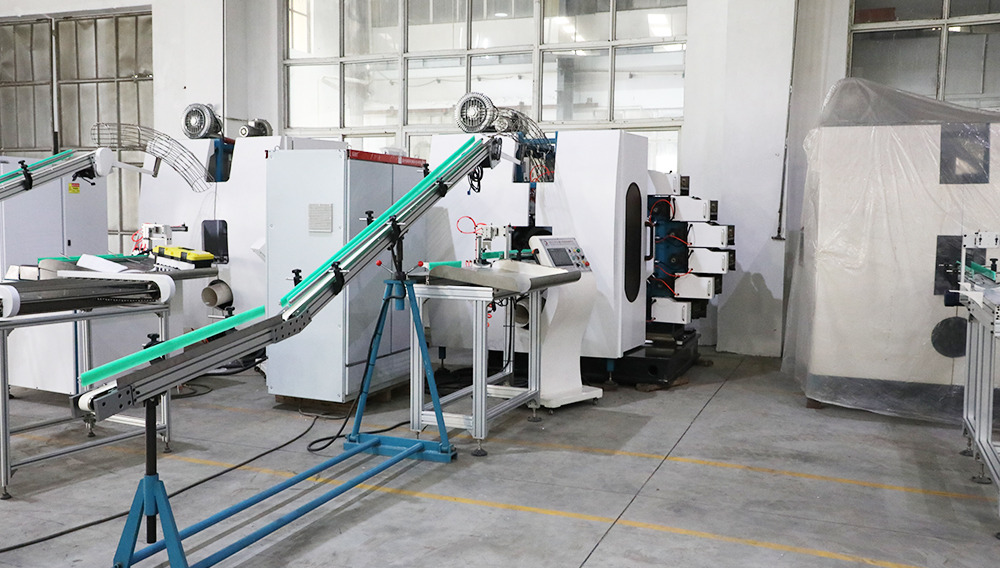
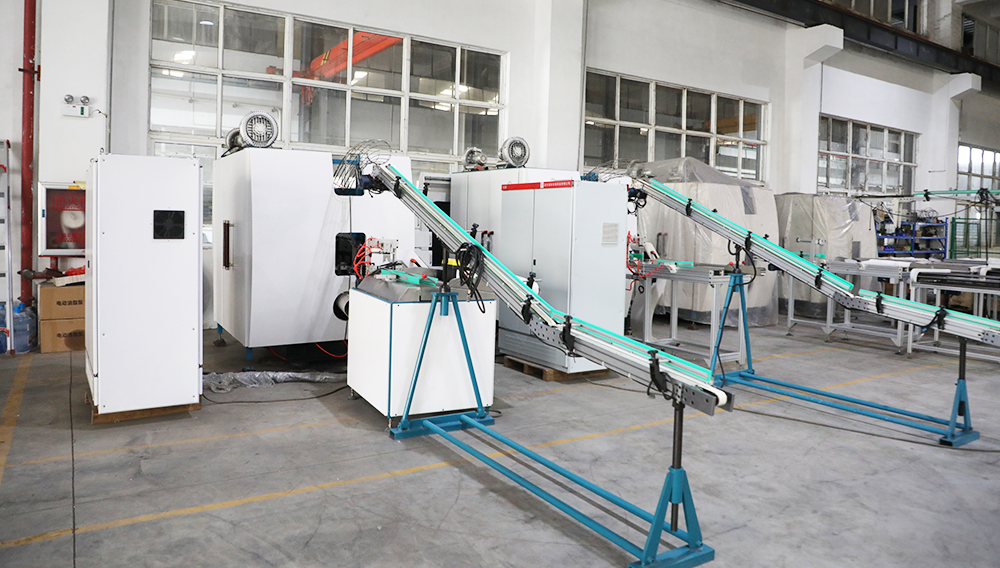
Explore our Wenzhou facility, featuring advanced processing machinery, clean assembly rooms, and quality control systems.
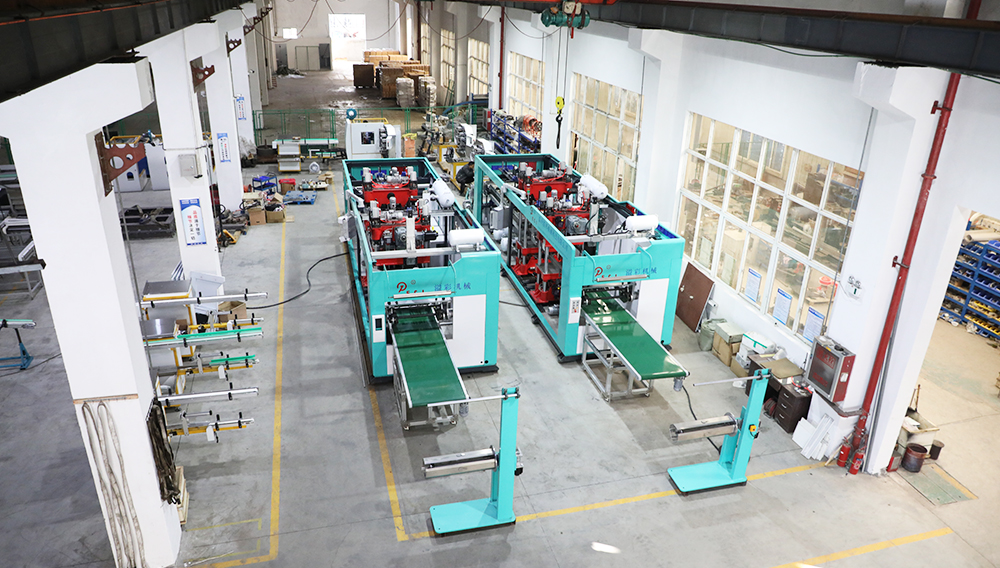
101, Unit 1, Building 20, Zilai Industrial Park, Wanquan Town, Pingyang County, Wenzhou City, Zhejiang Province, China
 Yicai Machinery