Premium grade thermoforming tooling built to withstand local production variations, offering rapid cooling cycles and optimized material utilization rates.
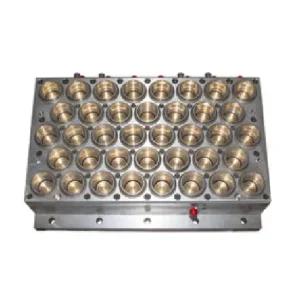
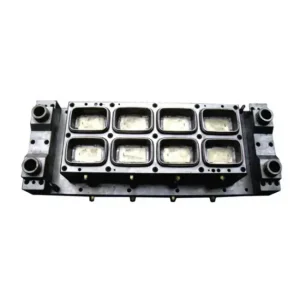
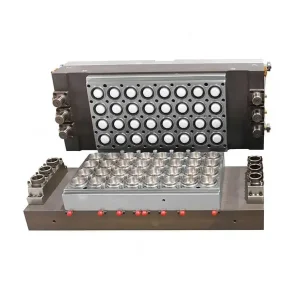
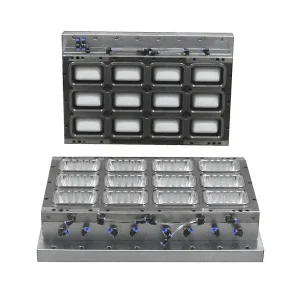
The manufacturing landscape in Ghana is experiencing a significant structural shift. Under the framework of the African Continental Free Trade Area (AfCFTA), headquartered in Accra, local Ghanaian enterprises are transitioning from importing finished plastic goods to establishing domestic production lines. This industrial movement is particularly visible in the Greater Accra, Ashanti (Kumasi), and Western (Takoradi) regions, where the demand for single-use containers, fresh-cut fruit packaging, yogurt cups, and industrial trays has skyrocketed.
For decades, West African nations relied on importing pre-formed plastic cups, clamshell containers, and lids. Today, import tariffs and currency fluctuations (GHS/USD exchange rates) have incentivized local production. Plastic processing factories in industrial hubs like Tema require high-precision thermoforming molds that maximize material efficiency, minimize waste, and operate continuously under challenging environmental conditions.
Operating thermoforming systems in Ghana presents a unique set of operating conditions. The subtropical climate, fluctuations in ambient factory temperatures, and variability in electricity supply (voltage fluctuations) necessitate molds engineered with optimized cooling profiles and highly wear-resistant metals. Traditional mild-steel molds degrade rapidly under thermal stress, causing product deformation, wall thickness inconsistency, and extended cycle times.
To solve these issues, modern manufacturers are turning to premium aluminum alloys (such as AL-6061 or AL-7075) and hardened tool steels configured with complex, multi-channel CNC-milled cooling systems. Beryllium copper inserts are strategically placed in critical regions like base corners and lip rims to facilitate rapid heat dissipation, effectively keeping production speeds high even when cooling water temperatures are suboptimal.
As the Environmental Protection Agency (EPA) of Ghana enforces stricter regulations on plastic waste and calls for circular economy initiatives, the choice of material becomes critical. Local thermoformers need molds designed with maximum flexibility. A mold system from Yicai is capable of processing conventional virgin PP (polypropylene) and PET (polyethylene terephthalate) as well as recycled rPET, post-consumer regrind, and emerging bioplastics like Polylactic Acid (PLA). Each material exhibits distinct shrinkage rates and processing windows; therefore, the mold's cavity geometry must be engineered using advanced CAD simulation software to prevent dimensional defects.
A leading pioneer in technical engineering, custom thermoforming molds, and integrated plastic packaging machinery.
The machinery industry is a highly technical manufacturing field that demands deep domain expertise. Technical innovation and specialized support form the core of Wenzhou Yicai Machinery Technology's operations. The manufacturing process of heavy-duty industrial machinery is complex, involving structural metal processing, robotic welding, precision component assembly, and complex automation controls. As industrial markets worldwide face rising demands for environmental sustainability, energy efficiency, and cost reduction, our company delivers advanced technological solutions designed to keep your production lines competitive and profitable.
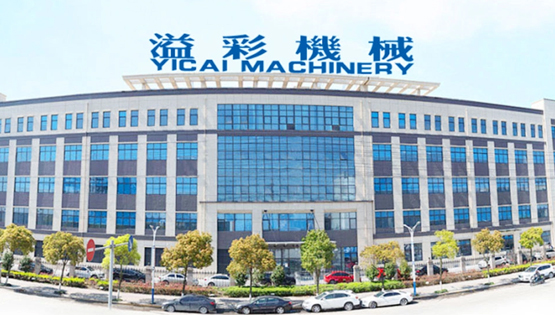
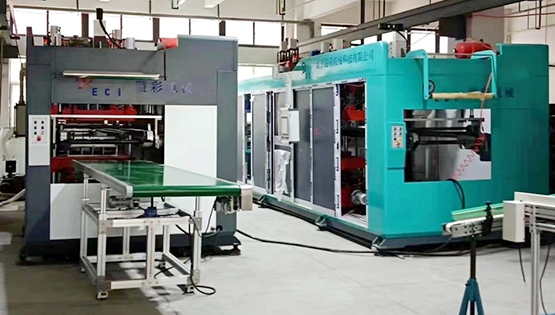
Founded in 2010 as Ruian Seven Star Machinery, the company rebranded to Wenzhou Yicai Machinery Technology Co., LTD. in 2022. Based in Zhejiang Province, one of China's premier industrial and coastal shipping zones, our facility integrates an experienced research and development division with advanced production machinery. Our product portfolio includes thermoforming machines, curved offset printers, plastic sheet extruders, and customized tooling. By prioritizing product quality and offering responsive technical support, we have earned the trust of packaging manufacturers globally.
From custom blueprints to on-site production optimization, we ensure your thermoforming line operates at peak efficiency.
We configure machinery systems to match your production goals, including custom cavity layouts, specialized equipment colors, brand logo integrations, and specific mechanical configurations to match your exact output requirements.
We continuously invest in research and development to transition manual and semi-automatic systems into high-speed, intelligent, fully automated lines. This focus reduces labor overhead and increases output consistency.
Our production workflow is managed under ISO 9001 standards. We utilize international components (including Siemens PLCs, Omron temp controllers, and SMC pneumatics) to prevent unexpected downtime on your factory floor.
Our systems and molds operate in factories worldwide. We understand international maritime logistics, West African customs compliance, and port clearance procedures at Tema and Takoradi.
We configure all electrical systems and motors to operate reliably under local voltage conditions (415V, 50Hz, 3-phase) and integrate protection circuits to safeguard against power fluctuations.
We provide long-term support with rapid spare parts fulfillment, engineering support via video link, and detailed layout guides to assist your maintenance team.
Supporting critical economic sectors across West Africa with precise thermoforming molds and high-speed packaging lines.
The demand for hygienic, single-use drinking water cups and dairy packaging is exceptionally high in urban centers like Accra and Kumasi. Our multi-cavity cup molds are engineered for high-volume, automated thermoforming machines, allowing manufacturers to produce thousands of thin-walled PP/PET cups per hour with consistent lip dimensions and weight parameters.
Ghana is a major exporter of pineapples, mangoes, and papayas. Exporters require rigid, crystal-clear PET clamshell packaging to protect fresh fruit during international transport to European and regional markets. Our molds are designed to produce robust structure walls with integrated ventilation slots, keeping fresh produce protected throughout the cold chain.
Local dairy processors need secure, food-safe packaging for yogurts, ice creams, and spreads. We manufacture molds with in-mold labeling (IML) capabilities or high-definition offset printing compatibility to help products stand out on retail shelves.
| Parameters | Standard Specifications |
|---|---|
| Mold Material | Alum AL-7075 / Steel P20 / H13 |
| Cavity Count | Up to 60 Cavities (Depends on Cup Diameter) |
| Sheet Thickness Range | 0.3 mm to 2.0 mm |
| Cooling System | Conformal Water Channels (Beryllium Copper inserts) |
| Shrinkage Allowance | Calculated per polymer (PP, PET, PLA, PS) |
From initial design parameters to delivery, our workflow ensures long-term tool life and consistent product quality.
Our engineers utilize CAD/CAM platforms to model the container's geometry. We perform sheet-thinning simulations to ensure even plastic distribution across the container's corners. This step prevents weak spots, reduces part weight, and optimizes raw material utilization.
Mold cavities are machined from solid blocks of aviation-grade aluminum or high-grade tool steel using high-speed CNC milling centers. Crucial wear points and cutter blades undergo vacuum heat treatment to maximize cutting edge life and reduce the frequency of blade replacement.
Efficient cooling is essential for short cycle times. We integrate high-flow conformal cooling channels within the mold block, running water paths close to the cavity surface. This design keeps mold surface temperatures consistent, prevents warpage, and increases output.
The mold is assembled with precision guide pillars, stripper plates, and ejector pins. We test all tooling on our internal thermoforming lines, verifying sheet release, cutting clean edges, and ensuring dimensional stability before shipment.
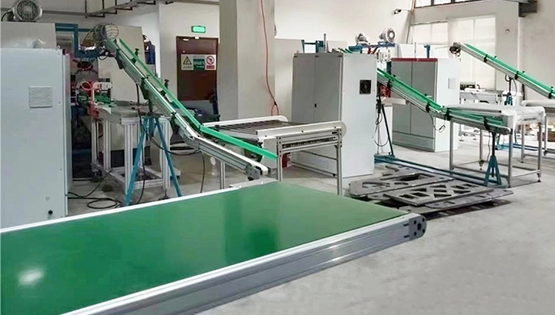
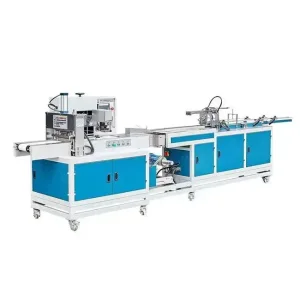
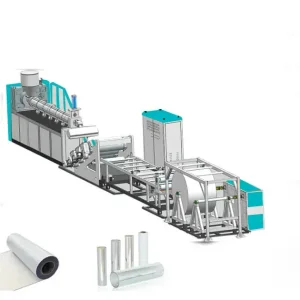
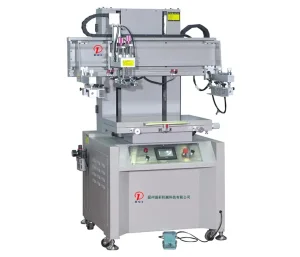
Build a fully integrated production line with sheet extruders, cup printers, and automated packing systems.
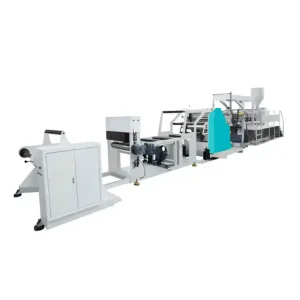
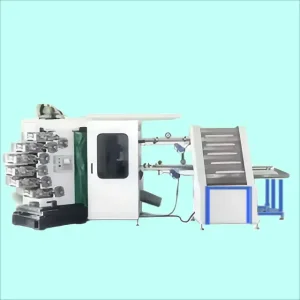
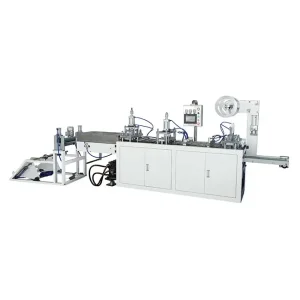
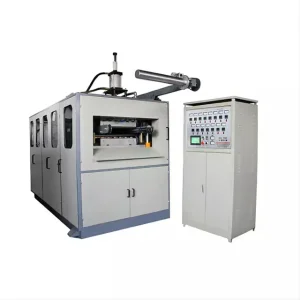
Technical guidance and engineering answers for procurement managers and factory operators in West Africa.
Aluminum alloys like AL-7075 have significantly higher thermal conductivity than standard carbon steels. In hot climates like Ghana's, rapid heat transfer is essential to keep cycle times short. Aluminum cools the plastic sheet faster, allowing the machine to cycle quicker and increase production. For wear areas like cutting edges and ejector pins, we use hardened steel inserts to ensure long-term durability.
While the mold itself is mechanical, the heating and plug assist systems rely on stable electricity. We configure our integrated thermoforming machines with heavy-duty electrical components, localized cooling circuits, and optional voltage stabilization systems. This helps ensure that heating elements maintain uniform temperatures across the plastic sheet, preventing thin spots or material wastage due to power fluctuations.
Different polymers exhibit different shrinkage rates (e.g., PP shrinks more than PET). A mold designed precisely for PP may produce slightly larger or smaller parts when run with PET or PLA. However, we can design tooling with modular inserts or calculate a compromised shrinkage allowance if you plan to run multiple materials on the same tooling framework. We recommend consulting our engineering team before ordering to discuss your material requirements.
With regular maintenance and proper lubrication, our aircraft-grade aluminum molds with hardened steel wear plates can achieve over 5 million cycles. All critical cutting surfaces and punch dies are treated with wear-resistant coatings to extend clean cutting performance, which helps keep scrap rates low.
We handle export packaging, using anti-rust coatings and heavy-duty wooden crates designed for maritime shipping. We provide complete documentation—including detailed packing lists, commercial invoices, and Certificates of Origin—to facilitate customs clearance through your shipping agent at the Port of Tema or Takoradi.
 Yicai Machinery