Top 10 Cup Making Machine Features to Consider for Buyers?

Time:2026-07-02 Author:Liam
0%

In the competitive landscape of beverage packaging, the Cup Making Machine plays a pivotal role. Industry expert John Smith, a well-respected engineer in automated manufacturing, states, “Choosing the right Cup Making Machine can drastically improve production efficiency and product quality.” As demand increases, buyers must be discerning in evaluating machines.

Understanding the essential features of a Cup Making Machine is vital for success. Many machines offer basic functionalities, yet not all meet specific needs. For instance, the ability to handle different cup sizes and materials may vary significantly. Buyers should seek machines with user-friendly controls and reliable safety features, ensuring optimal operation.

Investing in a Cup Making Machine is not merely about selecting the latest model. It involves a deep understanding of unique business needs. Selecting the wrong features can lead to inefficiencies or costly downtime. Therefore, careful consideration and expert guidance are crucial in making an informed decision.
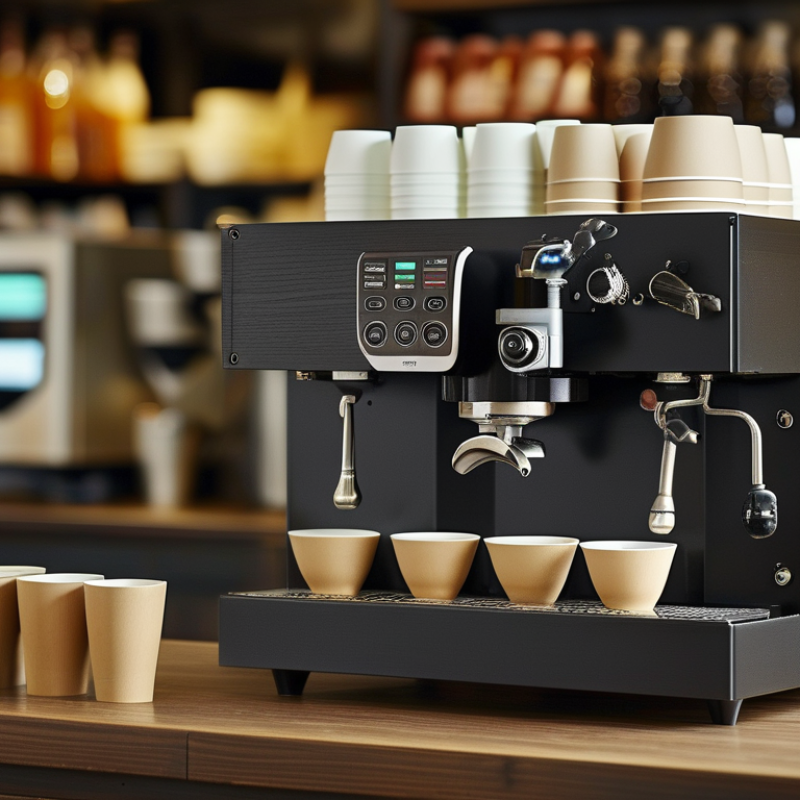
Top 10 Cup Making Machine Features to Consider for Buyers?

Key Specifications to Evaluate in Cup Making Machines

When selecting a cup-making machine, buyers should focus on key specifications that ensure quality and efficiency. A reliable machine typically has a production capacity of 50 to 100 cups per minute, making it ideal for businesses with high demand. The type of material is crucial, with options including paper, plastic, and biodegradable materials. Each material requires different processing techniques, impacting cost and sustainability.

Pay attention to the machine's automation level. Fully automatic machines reduce labor costs and improve consistency. Operators should also consider energy consumption. Efficient machines that consume less than 5 kWh for every 1,000 cups produced can lead to significant savings over time. Reports show that energy-efficient technology can reduce operating costs by up to 30%, enhancing profitability.

Tip: Always consider the maintenance needs of the machine. Regular maintenance can prevent operational downtime. Operators should also evaluate the availability of spare parts. This ensures that replacements are easy to procure, minimizing disruptions. Investing in a cup-making machine is significant. Evaluating these specifications carefully will help prevent mistakes that could affect production quality.

Types of Materials Compatible with Cup Making Machines

When exploring cup making machines, understanding compatible materials is essential. Common options include plastic, paper, and biodegradable materials. According to industry reports, around 67% of manufacturers rely on polypropylene (PP) and polystyrene (PS) for their production. These materials offer flexibility and durability in design.

Plastic cups dominate the market due to their lightweight nature and resistance to shattering. However, environmental concerns are pushing buyers to consider alternatives. Biodegradable materials are gaining traction. A recent study indicates a 25% increase in the demand for cups made from plant-based sources. These innovations meet consumer preferences while addressing sustainability issues.

Paper products, while traditionally less sturdy, have seen advancements. Modern technologies allow for better coating and strength. Reports show that paper cups are growing at about 15% annually. This transition reflects a shift in buyer priorities. Many wish to balance functionality and environmental impact. However, not all paper products provide adequate insulation, which can be a drawback for hot beverages.

Automation Features that Enhance Cup Production Efficiency

In cup production, automation features are critical. They significantly boost production efficiency. Modern cup making machines offer a range of automation options. Look for features that streamline operations and reduce labor costs. Machines equipped with sensors can detect issues in real-time. This capability allows for quick adjustments and minimizes waste.

Consider machines with automatic feeders. They ensure a continuous flow of materials for uninterrupted production. Additionally, robots can handle packaging and stacking tasks. This saves time and improves safety on the production floor. Integrating these features can lead to smoother operations.

Tips: Always assess the ease of operation. A user-friendly interface is crucial for efficiency. Think about the learning curve for your staff. Choose a machine that offers flexible settings for different cup types. Regular training will enhance operational efficiency. Embrace the imperfections and adapt your processes as you refine your production flow.

Maintenance Requirements and Durability Considerations

When selecting a cup-making machine, maintenance and durability are crucial factors. Proper maintenance ensures longevity and optimal performance. Routine checks can prevent costly breakdowns. A study by the International Journal of Manufacturing Technology revealed that machines with regular maintenance required 30% less overall repair costs. Understanding the maintenance schedule is essential for efficient operations.

Durability is often linked to the materials used in manufacturing the machine. Machines made from high-quality materials tend to withstand wear and tear better. Reports indicate that machines incorporating stainless steel and heavy-duty components have a lifespan of up to 15 years. However, some machines may not meet user expectations, leading to premature failure. Users must critically assess durability claims from suppliers, as not all may adhere to strict quality standards.

Furthermore, it's important to consider downtime for maintenance. Unexpected breakdowns can severely impact production schedules. A report from the Manufacturing Institute states that unplanned outages can amount to a 30% decrease in output. Buyers should also inquire about spare parts availability. Limited access to components can extend repair times, even for durable machines.

Cost Analysis: Budgeting for Cup Making Equipment

When budgeting for cup making equipment, potential buyers must consider various cost factors. The initial investment typically ranges from $10,000 to $150,000. This wide range reflects the machine's capacity, technology, and features. A detailed analysis reveals that high-speed machines can significantly increase production efficiency. However, this comes with higher maintenance costs, which can impact long-term budgeting.

Operational costs should also be on the radar. Reports suggest that power consumption for cup manufacturing machinery can account for 20% of monthly expenses. Maintenance costs average around 5-15% of the total investment annually. It's essential to factor in these ongoing costs instead of only focusing on the purchase price. Depending on production scale, additional expenses for raw materials and workforce must be included.

Buyers should also evaluate potential ROI. A well-chosen machine can lead to an increase in production rates, thereby offering a quicker return. Industry data shows that companies with optimized equipment typically see a 30% increase in efficiency. Understanding these cost elements will help buyers make informed decisions that align with their budget while ensuring quality output.

Top 10 Cup Making Machine Features

FAQS

: What should I consider when choosing a cup-making machine?

: Focus on production capacity, material type, and automation level. Reliable machines make 50 to 100 cups per minute.

Why is material type important in cup production?

Different materials like paper, plastic, and biodegradable options affect processing techniques, costs, and sustainability.

How can automation impact cup-making efficiency?

Fully automatic machines save labor costs and improve consistency in production, leading to better output quality.

What energy consumption levels are ideal for machines?

Look for machines that use less than 5 kWh per 1,000 cups. This can lower operating costs significantly.

How does regular maintenance benefit cup-making machines?

Regular maintenance prevents downtime and ensures continuous operation. It’s crucial for long-term efficiency.

What materials are commonly used in cup production?

Most manufacturers use polypropylene and polystyrene. These materials are popular for their flexibility and durability.

Why are biodegradable materials becoming more popular?

Demand for environmentally friendly options is increasing. Consumers are prioritizing sustainability in their purchasing choices.

What advancements have been made in paper cup technology?

Modern coatings improve paper cup strength, making them more viable for hot beverages despite historical insulation issues.

Conclusion

When considering a Cup Making Machine, buyers should evaluate several key specifications that influence performance and output quality. Understanding the types of materials compatible with these machines is crucial, as it impacts the versatility and application of the products manufactured. The automation features incorporated in modern Cup Making Machines significantly enhance production efficiency, allowing for faster output and reduced labor costs.

Maintenance requirements and durability are also essential factors to consider. A well-maintained machine is vital for long-term sustainability and operational effectiveness. Additionally, a thorough cost analysis should be conducted to budget appropriately for the acquisition of cup making equipment, ensuring that buyers are prepared for both initial investments and ongoing operational expenditures. By focusing on these features, buyers can make informed decisions that align with their production needs.


Liam

Liam

Liam is a dedicated marketing professional with a profound expertise in the industry, where he excels at highlighting the unique advantages of our core products. With a keen understanding of market trends and consumer needs, Liam frequently updates our company’s professional blog, providing......