Food packaging machines play a crucial role in the food industry. According to a report by MarketsandMarkets, the global food packaging machinery market is projected to reach $50 billion by 2025. This growth reflects the increasing demand for efficient food preservation and safety measures.
Expert in food processing technology, Dr. Jane Smith, emphasizes, "Food Packaging Machines enhance product shelf life while maintaining quality." These machines automate packaging processes, improving speed and consistency. However, the reliance on technology raises concerns about maintenance and potential disruptions in production.
While food packaging machines offer significant benefits, challenges exist. Issues like equipment malfunctions can delay production. Additionally, the need for ongoing operator training is essential to ensure optimal machine performance. Balancing automation with human oversight is vital for long-term success in the industry.
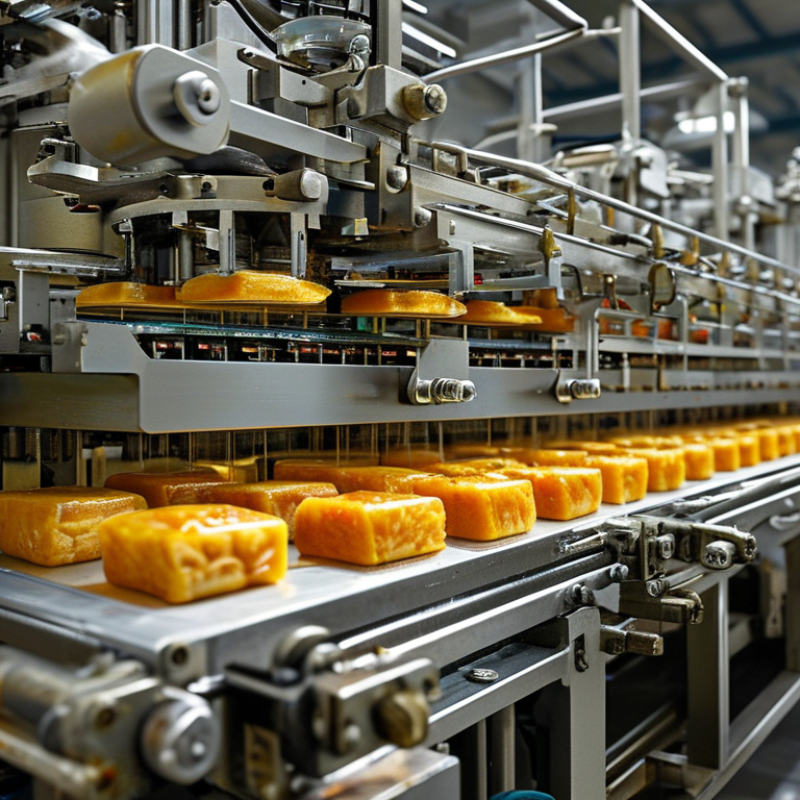
What is a Food Packaging Machine: Definition and Overview
A food packaging machine is a specialized device designed to package food products efficiently. These machines can automate processes like filling, sealing, and labeling. They have become essential in the food industry, driven by increasing demand for packaged goods. According to recent reports, the global food packaging market is expected to reach approximately $500 billion by 2026, reflecting a compound annual growth rate of around 5% from 2021 to 2026.
These machines utilize various technologies, including vacuum sealing and modified atmosphere packaging, to extend the shelf life of food items. For example, vacuum sealing removes air from packaging, reducing oxidation and spoilage. In addition, packaging machines cater to different food types, from perishable items like meat to dry goods like snacks. However, the complexities of machine operation mean that skilled personnel are essential for maintenance and troubleshooting. Poorly calibrated machines can lead to packaging errors, waste, and product recalls, presenting a challenge for manufacturers.
Furthermore, sustainability is becoming a crucial focus in the industry. Many food packaging machines now incorporate eco-friendly materials to reduce environmental impact. However, the integration of sustainable practices is still a work in progress. Industries must reflect on balancing efficiency, cost, and environmental responsibility while meeting consumer expectations. This ongoing evolution highlights the need for continual assessment in food packaging machinery.
What is a Food Packaging Machine and How Does It Work?
| Feature |
Description |
| Definition |
A food packaging machine is a device designed to automate the process of packing food products into packages or containers. |
| Types |
Common types include vacuum packers, filling machines, labeling machines, and wrapping machines. |
| Principle of Operation |
The machines typically operate by placing the product into a package, sealing it, and then sometimes labeling it based on the type of packaging required. |
| Materials Used |
Materials such as plastic, glass, metal, and paper are often used depending on the type of food product being packaged. |
| Benefits |
Increased efficiency, reduced labor costs, extended shelf life of products, and improved sanitation. |
| Applications |
Used in various sectors including snacks, beverages, dairy, and frozen foods industries. |
| Automation Level |
Machines can be fully automated, semi-automated, or manual depending on the production scale and need. |
Key Components of Food Packaging Machines and Their Functions
Food packaging machines play a vital role in maintaining food quality and safety. These machines come with several key components that work in harmony to ensure effective packaging. Among the most important are the conveyor system, sealing mechanism, and filling unit. The conveyor system transports products to the packaging area, providing smooth movement. However, if it malfunctions, it can disrupt the entire operation.
The sealing mechanism is crucial for keeping food fresh. It prevents air and moisture from entering, which helps extend shelf life. Different types of seals may be used, such as heat seals or adhesive seals. Nonetheless, achieving a perfect seal is sometimes tricky. Inconsistencies can lead to spoilage, affecting product integrity.
The filling unit is responsible for portioning the food into containers. Precision is key here, as inaccuracies can result in waste or customer dissatisfaction. Using automated fillers can enhance accuracy, but human oversight is often necessary. Recognizing and addressing potential errors in this component is essential for maintaining packaging standards. The interplay of these components showcases the complexity of food packaging machines, emphasizing the need for constant evaluation and improvement.
Types of Food Packaging Machines: A Comprehensive Breakdown
Food packaging machines play a crucial role in the food industry. They help preserve food and enhance shelf life. There are various types of machines, each serving specific needs. Common categories include vacuum packaging machines, heat sealers, and bottling lines. Vacuum machines remove air from packages. This technology can extend food freshness by up to five times, according to industry reports. Heat sealers are essential for sealing plastic pouches. They ensure product safety and prevent contamination.
Bottling lines are vital for liquid products. These machines automate the filling, capping, and labeling processes. Efficient bottling lines can package up to 2,000 units per hour. This efficiency is crucial for meeting consumer demand. While these machines are advanced, some challenges remain. Maintenance can be costly, and operators must be trained properly to avoid errors. An estimated 20% of businesses report challenges with machine downtime, affecting productivity.
**Tip:** When selecting packaging machines, consider their efficiency and production volume. It’s essential to match the machine capabilities with your product type. Always evaluate machine reliability. Investing in regular maintenance can reduce unexpected breakdowns. Aim for machines that offer ease of operation and training for staff.
Types of Food Packaging Machines
This bar chart illustrates the different types of food packaging machines commonly used in the industry, demonstrating their respective market shares.
How Food Packaging Machines Improve Efficiency and Reduce Waste
Food packaging machines have become essential in today’s food industry. They play a crucial role in enhancing efficiency and minimizing waste. With automation, these machines streamline the packaging process, allowing for faster production times. They can handle various packaging materials, adapting to the type of food being packaged. This versatility reduces downtime and improves overall productivity.
One effective aspect of food packaging machines is their ability to reduce waste. By using precise measurements and optimized packing techniques, these machines ensure minimal excess. However, not all machines meet the highest efficiency standards. Some may struggle with irregularly shaped products or slower production lines, leading to potential waste. Continuous improvement and careful selection of machinery are vital for maintaining efficiency.
Efficiency gains have a ripple effect in the food supply chain. Less waste means lower costs, which can benefit consumers. Yet, while machines improve certain areas, human oversight remains essential. Operators must regularly monitor systems to ensure they function optimally. Mistakes can occur, but learning from them is part of the process. Investing in proper training for staff is crucial for maximizing the benefits of food packaging machines.
Industry Statistics: The Growth and Impact of Food Packaging Machinery
The food packaging machinery industry has seen significant growth in recent years. As consumer preferences shift towards convenience and safety, the demand for advanced packaging solutions is on the rise. Statistics reveal that the market is expected to reach multi-billion dollar figures by the end of this decade. This growth is driven by innovations in automation and sustainability. Companies are increasingly investing in efficient packaging machines that not only preserve food quality but also reduce waste.
However, this rapid expansion does come with its challenges. Many manufacturers face issues related to adapting new technologies. Some may struggle with the integration of automated systems into existing production lines. Additionally, there are concerns about the environmental impact of packaging materials. Consumers are becoming more aware of these issues and are demanding more sustainable options.
Investment in food packaging machinery is essential for staying competitive. However, a one-size-fits-all approach does not work. Each production line has unique requirements. Companies must evaluate their needs carefully. The industry continues to evolve, and adapting will be crucial for future success.
FAQS
: They preserve food and enhance shelf life, benefiting the food industry.
They remove air from packages, extending food freshness significantly.
Heat sealers seal plastic pouches and ensure product safety from contamination.
They automate filling, capping, and labeling, packaging up to 2,000 units per hour.
Maintenance costs can be high, and operators need proper training to avoid errors.
They use precise measurements and optimized packing techniques to minimize excess.
No, some may struggle with irregular shapes, which can lead to waste.
Regular monitoring and staff training are essential to ensure optimal function.
Consider efficiency, production volume, and machine reliability for your product type.
Yes, mistakes happen, but learning from them is key to improvement.
Conclusion
A Food Packaging Machine is a sophisticated device designed to efficiently package food products, ensuring their safety and extending shelf life. These machines consist of several key components, including sealing mechanisms, conveyors, and filling systems, each playing a crucial role in the packaging process. Various types of food packaging machines cater to different food items, from solid products to liquids, reflecting the diversity in packaging needs across the food industry.
The utilization of Food Packaging Machines significantly enhances operational efficiency by streamlining packaging processes and reducing manual labor. This automation minimizes waste and optimizes material usage, contributing to sustainability efforts in food production. Furthermore, industry statistics indicate a positive growth trajectory for food packaging machinery, highlighting its critical impact on food safety and market dynamics. Overall, these machines are integral to modern food production and distribution, ensuring that products remain fresh and appealing to consumers.

 Yicai Machinery