Choosing the right plastic packing machine is crucial for your business. A suitable machine impacts efficiency and product quality. With numerous options available, making a choice can feel overwhelming.
Consider your production volume. Are you a small startup or a large manufacturer? This decision influences the type of plastic packing machine you need. Each machine offers different features and capacities. Understanding your goals is key to finding a perfect match.
Also, think about the types of products you package. Different machines cater to distinct materials and sizes. Researching these aspects will help you avoid costly mistakes. Ultimately, the right choice leads to better productivity and customer satisfaction.
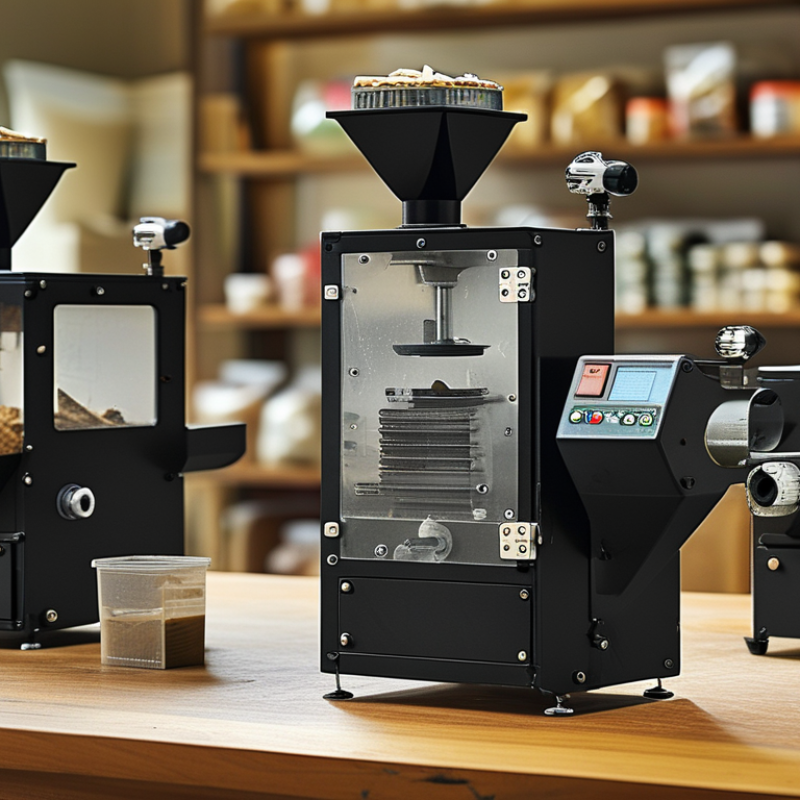
Understanding your packaging needs is crucial before selecting a plastic packing machine. Start by identifying the type of products you plan to package. Different products have unique requirements. For instance, fragile items may need more cushioning, while solid products might require standard sealing.
Consider the volume of products you need to package daily. High-output operations may require faster machines with higher efficiency. Slower operations can opt for simpler machines, which may be more cost-effective. Think about the size of your workspace too. Some machines can be bulky, while others compactly fit in tight corners.
Don’t forget about customization. Some products require special packaging features, such as tamper-proof seals or eco-friendly materials. It’s okay to not have all the answers right away. Reflect on past experiences with packaging. What worked? What didn’t? These insights can guide your decision-making process. Each choice can impact not just the cost, but also consumer satisfaction.
| Machine Type | Production Speed (Bottles/Min) | Suitable for Products | Dimensions (L x W x H, mm) | Price Range ($) |
|---|---|---|---|---|
| Vertical Form Fill Seal | 40 | Powders, Granules | 1500 x 800 x 2000 | 2000 - 5000 |
| Horizontal Flow Wrapper | 60 | Snacks, Bakery Products | 1800 x 700 x 1200 | 3000 - 8000 |
| Shrink Wrapper | 50 | Bottles, Boxes | 2000 x 1000 x 1500 | 4000 - 9500 |
| Carton Sealer | 30 | Cartons, Cases | 1200 x 800 x 1600 | 2500 - 6000 |
| Automatic Bagging Machine | 80 | Food, Hardware | 2000 x 1200 x 1800 | 3500 - 9000 |
When selecting a plastic packing machine, understanding the available types is crucial. Commonly, there are horizontal and vertical form-fill-seal machines. Each serves specific needs. Horizontal machines are efficient for products needing packaging in a flat format, ideal for snacks or pouches. In contrast, vertical machines work well for bulk items like granulates or powders. Their high-speed capabilities cater to increased production demands in various industries.
Another category includes shrink wrappers and tray sealers. According to a report by Smithers Pira, the global market for plastic packaging is growing at an annual rate of 3.5%. This growth highlights the need for efficient packing solutions. Packaging plays a vital role in preserving product quality and extending shelf life. Companies often overlook the importance of choosing a machine that aligns with their product type and production volume.
It's essential to consider the automation level. Fully automated machines reduce labor costs, but may not suit smaller operations. Complexity often leads to maintenance issues, potentially resulting in downtime. Assessing the specific production and budgetary needs is critical. Each type of machine offers distinct benefits and challenges. Not every solution fits every scenario, and recognizing this is key to successful operations.
When selecting a plastic packing machine, focus on essential features. Think about production capacity first. High-volume operations need machines with fast cycle times. A slower machine may suffice for small-scale needs. Evaluate the machine's speed and efficiency. The right speed minimizes bottlenecks in your process.
Another crucial factor is the machine's adaptability. Can it handle different types of plastics? Flexible machines can accommodate various packaging options. This saves you from investing in multiple machines later. Look for features that allow easy adjustments for different package sizes. Simple changeovers reduce downtime.
Ease of use is important too. Complex machines may require specialized training. User-friendly interfaces enhance productivity. Lastly, consider maintenance needs. Machines with higher reliability reduce operational costs. Regular upkeep can be a burden, so evaluate the maintenance requirements. Balancing these factors is key to finding the right machine for your needs.
When budgeting for a plastic packing machine, it's essential to account for both upfront costs and long-term expenses. The initial investment can range widely. A basic model might start around $10,000, while advanced options can exceed $50,000. This variance affects small businesses and larger manufacturers differently. A study by the Packaging Machinery Manufacturers Institute indicated that nearly 30% of companies underestimated these costs, impacting their budget planning.
Ongoing operational costs also play a role. Maintenance, training, and energy costs can add 15-20% to your annual budget for the machine. For instance, energy-efficient models, which may have a higher initial price, can save thousands in utility bills over time. Additionally, the need for employee training cannot be overlooked. Poor training can lead to operational inefficiencies, which can offset any initial savings. Industry surveys reveal that companies that invest in training see a 25% increase in machine efficiency.
Understanding your total cost of ownership allows for better decision-making. Investing in a suitable plastic packing machine can enhance productivity. However, it's vital to approach the decision with a comprehensive financial strategy. A frequent oversight is neglecting future growth needs. Not considering scalability can lead to costly upgrades later.
When choosing a plastic packing machine, manufacturer support and warranty options are crucial factors. A reliable support system can significantly impact your production efficiency. It is important to check if the manufacturer offers 24/7 technical assistance. This availability can save you time and money in case of unexpected issues. Additionally, assess the quality of their resources, such as manuals and online tutorials. Clear instructions and easy access to information can enhance your operational experience.
Warranty options are another vital aspect to consider. A robust warranty can demonstrate the manufacturer's confidence in their product. Look for warranties that cover parts and labor for an extended period. This coverage provides peace of mind and minimizes risks involved in your investment. If possible, ask for feedback from other users regarding their experiences with warranties. Understanding real-world experiences can highlight hidden concerns.
Evaluate both support and warranty schemes in detail. Don’t hesitate to ask manufacturers direct questions. Each inquiry can provide valuable insights into their commitment to customer service. It can reveal if they are proactive in addressing potential issues. Choosing a machine without thorough research can lead to regrets. Reflect on the long-term implications of your choice to ensure you make an informed decision.
: Identify your products first. Fragile items need more cushioning, while solid ones require standard sealing.
Space is important. Some machines are bulky; others fit better in tight areas.
Initial costs vary from $10,000 to over $50,000. Ongoing costs must be factored in too.
Maintenance and training can add 15-20% annually. Energy costs also impact your budget.
Poor training can reduce efficiency. Proper training increases machine effectiveness by about 25%.
Check if they offer 24/7 support. Good manuals and online resources help operational efficiency.
A robust warranty covering parts and labor adds security. Look for extended coverage for peace of mind.
Yes, neglecting scalability can lead to costly upgrades later. Reflect on your future needs carefully.
No, feedback from other users is valuable. It can reveal hidden concerns and real-world performance.
Choosing without thorough research can lead to regrets. Consider long-term implications before making a choice.
Choosing the right plastic packing machine involves a thorough understanding of your unique packaging needs and the various types of machines available in the market. Factors such as the size, speed, and flexibility of a machine can greatly impact your operational efficiency. It’s essential to evaluate key features that align with your requirements, such as automation levels, compatibility with different materials, and ease of maintenance.
Budgeting is another critical aspect, as investing in a quality plastic packing machine can enhance productivity without compromising on cost-effectiveness. Additionally, consider the level of support and warranty options offered by manufacturers, as this can significantly influence the long-term value of your investment. By carefully assessing these factors, you can make an informed decision that best suits your packaging operations.

Yicai Machinery