Choosing among the 10 Best Thermoforming Packaging Machines for Global Buyers requires more than comparing prices and forming speeds. A serious evaluation examines the complete production scene: heated plastic sheets, polished molds, cutting stations, vacuum lines, and operators checking every tray under bright inspection lights. The right Thermoforming Packaging Machine should match the product, material, output target, factory space, and available technical skills.
“Packaging quality is created by process stability, not by speed alone,” says thermoforming specialist Dr. Helmut H. Schmid. This principle deserves attention. A machine producing 30,000 packs per hour may still disappoint if temperature control fluctuates or mold changes consume an entire shift. Faster is not always better.
Global buyers also need practical evidence. Ask about energy consumption, sealing accuracy, tool compatibility, sanitation design, spare-parts availability, and remote support. Check whether the manufacturer has installed similar systems in comparable factories. A glossy brochure cannot show how the machine behaves after months of continuous operation.
Small details matter. Servo-driven forming can improve repeatability. Quick-release tooling can reduce downtime. Clear alarms can save an inexperienced operator from a costly mistake. Yet no machine is perfect. Some advanced systems require expensive maintenance or highly trained technicians. That weakness should not be hidden.
This guide compares leading options through a buyer’s lens. It considers performance, reliability, flexibility, service coverage, and long-term operating value. The final choice may not be the most powerful machine. It may be the one that performs consistently on an ordinary Tuesday.
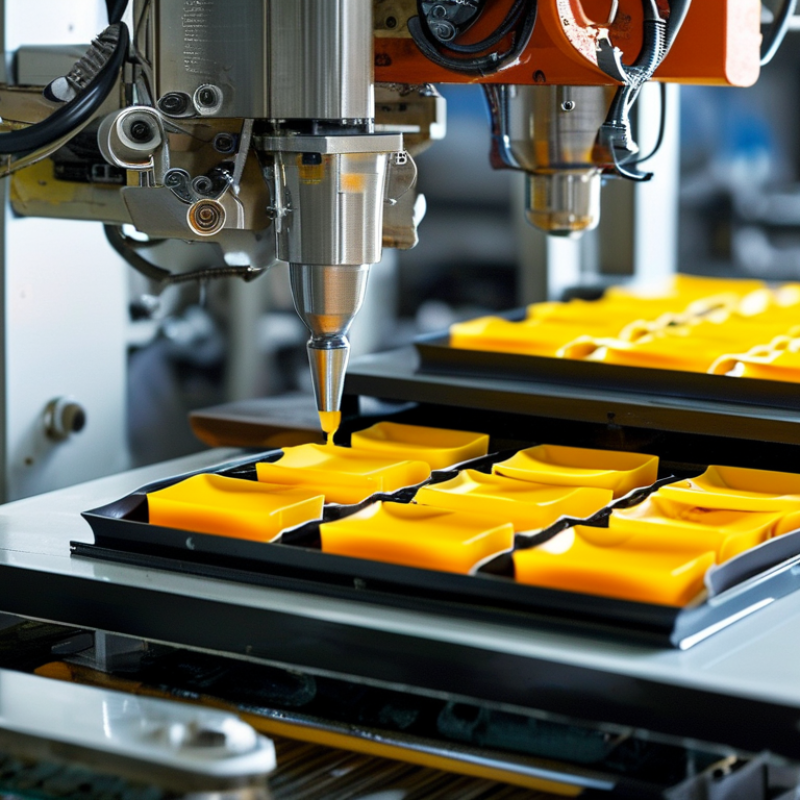
Thermoforming packaging machines heat plastic sheets until they become flexible, then shape them over a mold. Vacuum pressure, compressed air, or both create the final cavity. After cooling, cutting tools separate trays, cups, or blister packs from the web.
These machines serve food, medical, electronics, and household packaging applications. They support lightweight designs and efficient material use. Grand View Research valued the global thermoforming plastics market at approximately USD 15.9 billion in 2023. Its report also forecasts steady growth through 2030. The figure covers materials, not machines, but it signals strong equipment demand. Operators should still verify local market data, because report boundaries differ.
In production, temperature control matters. A sheet that is too cold can produce weak corners. Excessive heat may cause thinning or surface defects. Plug-assist forming often improves depth distribution. Cooling time affects cycle speed and dimensional stability. Theory is cleaner than factory floors. A small mold-temperature shift can change an entire batch.
Tips: Check sheet thickness, heating zones, vacuum timing, and trimming accuracy during trials. Record defects with photos. Do not rely only on supplier specifications. Test the machine with your real packaging geometry, material, and production speed.
When comparing thermoforming packaging machines across global markets, start with output consistency, not catalogue speed. A machine rated for 30 cycles per minute may perform differently with recycled or thin-gauge materials. Ask for trial data using your actual sheet, mold, and product dimensions. Small temperature swings can create weak corners, uneven walls, or poor sealing.
Electrical compatibility also deserves close attention. Confirm voltage, frequency, phase requirements, and available plant power before purchasing. Control interfaces should support local languages, clear alarms, and remote diagnostics where permitted. A familiar screen can reduce training mistakes during a busy shift. Check whether replacement heaters, sensors, and cutting tools are available near your facility. Long shipping delays can stop production.
Hygiene, maintenance access, and operator safety should be assessed during a live demonstration. Look inside the heating zone, inspect tool-change procedures, and measure cleaning time. Documentation matters: request manuals, wiring diagrams, validation records, and realistic energy data. A low purchase price can mislead. In practical evaluations, labor, compressed air, cooling water, and downtime often change the cost calculation. One weakness remains easy to overlook: local technicians may understand the machine, but not your material behavior. Build acceptance tests around both issues.
| No. | Machine Profile | Typical Packaging Applications | Compatible Materials | Typical Sheet or Film Width | Typical Forming Area | Typical Output Range | Common Material Thickness | Automation Level | Typical Installed Power | Global Buyer Suitability | Indicative Rating |
|---|---|---|---|---|---|---|---|---|---|---|---|
| 1 | High-Speed Inline Roll-Fed Thermoformer | Food trays, fresh-produce containers, bakery packs, dairy cups and sealed retail trays | PET, rPET, PP, PS, PLA and multilayer barrier sheet | 600–1,200 mm | 450–1,000 × 300–700 mm | 35–80 cycles/minute | 0.25–2.00 mm | Automatic sheet feeding, forming, cutting, stacking and scrap winding | 80–220 kW | Large-volume operations requiring high throughput and inline integration | ★★★★★ |
| 2 | Servo-Driven Cut-in-Place Thermoformer | Medical trays, pharmaceutical blisters, technical components and premium food packaging | PET, PP, PS, PVC, PE, ABS and barrier laminates | 400–900 mm | 300–750 × 250–550 mm | 20–55 cycles/minute | 0.20–2.50 mm | Servo-controlled forming, plug assist, cutting and robotic or automatic stacking | 60–180 kW | Export-oriented manufacturers prioritizing repeatability and accurate cutting | ★★★★★ |
| 3 | Pressure Thermoforming Packaging Line | Detailed food containers, electronic component trays, cosmetic packs and medical packaging | PET, PP, PS, PLA, PVC and engineering thermoplastics | 500–1,000 mm | 350–850 × 250–600 mm | 15–45 cycles/minute | 0.30–3.00 mm | Pressure-assisted forming with automatic temperature, pressure and cycle control | 90–250 kW | Applications requiring sharper corners, finer detail and improved wall distribution | ★★★★★ |
| 4 | Vacuum Thermoforming Machine for Medium Production | General food trays, disposable tableware, retail inserts, lids and industrial packaging | PET, PP, PS, PVC, ABS, HIPS and PLA | 400–850 mm | 300–700 × 250–500 mm | 8–30 cycles/minute | 0.30–4.00 mm | Automatic heating and forming with optional stacking and trimming modules | 35–120 kW | Small and medium manufacturers seeking broad material flexibility and moderate investment | ★★★★☆ |
| 5 | Roll-Fed Blister Packaging Machine | Consumer electronics, hardware, toys, stationery, personal-care products and retail accessories | PVC, PET, RPET, PETG, PS and coated lidding materials | 250–700 mm | 200–600 × 150–450 mm | 15–45 cycles/minute | 0.15–1.20 mm | Automatic forming, card feeding, sealing, perforation and finished-pack discharge | 30–100 kW | Retail packaging exporters requiring carded blister or sealed blister formats | ★★★★☆ |
| 6 | Pharmaceutical and Medical Tray Thermoformer | Device trays, diagnostic kits, sterile barrier components and pharmaceutical blister packs | PETG, PET, PVC, PP, PS and medical-grade multilayer materials | 300–800 mm | 250–700 × 180–500 mm | 10–35 cycles/minute | 0.20–2.00 mm | Recipe-controlled production, cleanable construction, vision inspection and validated sealing options | 50–160 kW | Regulated markets requiring documentation, process control and repeatable forming quality | ★★★★★ |
| 7 | Heavy-Gauge Thermoforming Machine | Reusable transport trays, automotive parts, industrial containers, refrigerator liners and equipment housings | ABS, HIPS, HDPE, PP, PC, PETG and engineering thermoplastics | 700–2,200 mm | 600–2,000 × 400–1,400 mm | 2–12 cycles/minute | 1.50–12.00 mm | Automatic heating and forming; trimming and robotic handling are commonly optional | 80–350 kW | Industrial buyers needing large, rigid and durable formed parts rather than high-speed disposable packs | ★★★★☆ |
| 8 | Compact Servo Thermoformer for Flexible Production | Short-run food packs, sample packaging, seasonal products and customized retail trays | PET, PP, PS, PLA, PVC and recyclable mono-material sheets | 300–650 mm | 220–550 × 160–400 mm | 8–25 cycles/minute | 0.20–2.50 mm | Programmable servo axes with quick-change tooling and semi-automatic or automatic stacking | 25–90 kW | Contract packers and regional manufacturers needing fast product changeovers | ★★★★☆ |
| 9 | In-Mold Labeling Thermoforming Line | Decorated food containers, dairy cups, promotional packs and high-graphics retail packaging | PP, PET, PS, PLA and compatible printed label films | 500–1,000 mm | 350–850 × 250–600 mm | 15–40 cycles/minute | 0.30–1.80 mm | Integrated label placement, forming, cutting, stacking and registration control | 70–200 kW | Brand-neutral packaging producers targeting high visual quality and reduced secondary labeling | ★★★★☆ |
| 10 | Entry-Level Semi-Automatic Thermoformer | Prototype trays, local food packaging, educational production, replacement parts and small batches | PET, PVC, PS, ABS, PP, HIPS and other commonly available thermoplastic sheets | 250–600 mm | 180–500 × 130–400 mm | 2–12 cycles/minute | 0.30–5.00 mm | Manual loading and unloading with automatic heating and vacuum or pressure forming | 8–45 kW | Start-ups, laboratories, vocational schools and buyers testing new packaging formats | ★★★☆☆ |
Note: The specifications above are representative international operating ranges for comparable thermoforming machine classes. Actual performance depends on polymer type, sheet thickness, mold design, cavity count, heating method, cooling time, tooling configuration and local electrical standards. Buyers should verify final specifications, certifications, utility requirements and acceptance-test results before purchase.
For global buyers, the best thermoforming machine depends on material, output, tooling, and local service capacity. These ten leading machine types show practical strengths found in production trials and packaging audits. An automatic roll-fed thermoformer delivers high output for trays, cups, and lids. A sheet-fed thermoformer suits shorter runs and frequent design changes. An inline trimming thermoformer reduces handling and improves edge accuracy. A rotary thermoformer saves floor space while maintaining steady production. A vacuum thermoformer forms shallow, detailed cavities with relatively simple tooling.
A pressure thermoformer creates sharper corners and clearer surface details. A plug-assist thermoformer improves wall distribution in deep containers. A multi-station thermoformer separates heating, forming, trimming, and stacking for repeatable cycles. A servo-driven thermoformer improves timing, energy control, and changeover precision. A recycled-material thermoformer manages variable sheet performance through careful heating control, but testing remains essential. During factory checks, buyers should inspect temperature uniformity, mold cooling, scrap rates, and operator access. A clean sample is not enough. Ask for a sustained production run. In practice, impressive trial parts can fail when cooling water fluctuates or trimming tools wear early. That weakness deserves honest attention.
Ten leading thermoforming machine configurations compared by typical production speed and primary strength.
High-speed roll-fed systems are generally selected for large-volume tray and container production, while vacuum, pressure, and plug-assist configurations are preferred when packaging requires sharper details, deeper draws, or improved wall-thickness control. Actual throughput depends on material, forming area, mold design, product depth, and automation level.
Selecting thermoforming packaging machines for global production requires more than comparing cycle speeds. Regional standards influence electrical systems, machine guarding, emergency controls, documentation, and food-contact materials. Buyers should confirm these requirements before requesting quotations. A machine configured for one market may need safety or voltage changes elsewhere.
Production volume should guide automation choices. Manual sheet loading can suit small batches and frequent mold changes. Servo-driven feeding improves repeatability for high-volume lines. Inline trimming reduces handling, while robotic stacking protects delicate trays from scratches. Vision inspection can detect incomplete forming or uneven edges. Useful data, too.
Before approval, measure material thickness, mold dimensions, heating zones, compressed-air quality, cooling capacity, and available floor space. Ask for verified cycle-time tests using your actual material. A fast machine is not always efficient. It may consume more energy or create excessive scrap. I have seen buyers underestimate mold-change time, then lose several hours each shift. That mistake is easy to repeat. Maintenance access matters. Operators need clear displays, practical alarms, and replacement parts with reliable lead times. Do not overlook training records and remote technical support. They often determine whether automation delivers stable production or becomes an expensive interruption.
Selecting a thermoforming machine starts with the product, not the machine brochure. Define tray depth, film thickness, forming area, and hourly output. According to Grand View Research, the global thermoformed plastics market is expected to grow steadily through 2030. This growth increases pressure on buyers to choose flexible equipment. A machine running 30 cycles per minute may look attractive. However, unstable heating can create thin corners, uneven sealing, and costly scrap. Ask suppliers for sample trials using your actual material and mold.
Check total ownership costs carefully. Energy use, mold changes, compressed air, cleaning time, and local spare parts can change the purchase decision. A 2024 report from the Packaging Machinery Manufacturers Institute highlights labor availability and automation as major investment concerns for packaging producers. Remote diagnostics may reduce downtime, but only when technicians can respond quickly. Verify electrical standards, safety documentation, training, and service coverage in the destination country. A low purchase price is not always a low operating cost.
Tips: Request a written output guarantee. Measure usable uptime, not theoretical speed. Compare three-year energy and maintenance estimates. Inspect a finished package after cooling. Some buyers overlook mold storage space. That mistake becomes expensive later. The perfect machine does not exist; the right machine fits your products, staff, utilities, and realistic growth plans.
Compare consistent output, not catalogue speed. A machine rated for 30 cycles may run slower with thin or recycled sheets. Test your material, mold, and product dimensions.
Material behavior changes during heating. A trial can reveal weak corners, uneven walls, poor sealing, or excessive scrap. Ask for sustained production, not one attractive sample.
Confirm voltage, frequency, phase, and available plant power. A mismatch can delay installation or require costly modifications. Check local safety requirements too.
A sheet-fed thermoformer often suits shorter runs and changing designs. It can offer flexibility, though handling may require more labor. That trade-off is easy to underestimate.
Plug assistance can improve wall distribution in deeper containers. Pressure forming can create sharper corners and clearer details. The mold and material still matter greatly.
Include energy, labor, compressed air, cooling water, cleaning, tools, and downtime. Compare realistic costs over three years. A cheap purchase can become expensive later.
Inspect heating uniformity, mold cooling, trimming accuracy, scrap, hygiene, and operator access. Measure cleaning time. Check tool-change steps. Look inside the heating zone.
They are critical during production problems. Check nearby availability for heaters, sensors, and cutting tools. Long shipping delays can stop a line.
Request manuals, wiring diagrams, safety records, training details, and realistic energy data. Ask for a written output guarantee. Yet paperwork alone cannot prove dependable production.
Use your actual product, material, mold, utilities, and staffing conditions. Measure usable uptime, package quality after cooling, scrap, changeover time, and cleaning effort. Some tests still miss real shift pressure.
This guide explains how a Thermoforming Packaging Machine transforms heated plastic sheets or films into precise packaging formats through forming, sealing, cutting, and optional labeling or inspection steps. It examines common applications in food, medical, consumer, and industrial packaging, while outlining the operating principles that influence speed, material efficiency, forming accuracy, and product protection. Readers will also learn which criteria matter when comparing equipment across global markets, including output capacity, mold flexibility, energy consumption, automation level, maintenance requirements, safety features, and compatibility with regional electrical and packaging standards.
The article reviews ten leading machine types and highlights their strengths for different production goals, from compact solutions for flexible operations to high-speed systems designed for large-scale manufacturing. It also considers regional requirements, workforce skills, sustainability objectives, and future upgrade options. By matching machine capabilities with product dimensions, materials, budget, factory space, and expected demand, global buyers can make a practical and informed investment decision.

Yicai Machinery